Category: Vegetables

Spicy Konnyaku

Spicy Konnyaku

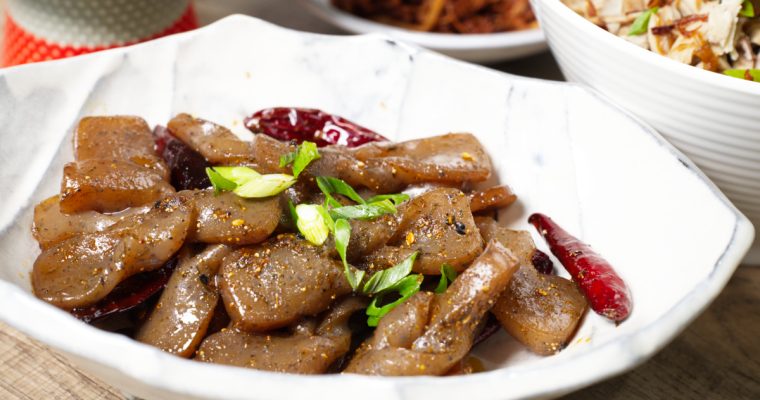
Konnyaku is one of those quiet staples of Japanese home cooking. Made from the konjac root, it’s mild, springy, and practically flavorless on its own, which means it’s incredible at soaking up whatever you cook it with. In this simple side dish, konnyaku is sliced read more
Chinese American Stir-Fry

Chinese American Stir-Fry

A lot of talk in the food world centers around words like “authentic” and “traditional.” But those can be tricky to define—especially for a cuisine that has traveled and evolved as much as Chinese food in the states. Chinese immigrants adapted their traditional dishes to read more
Meatball Banh Mi

Meatball Banh Mi

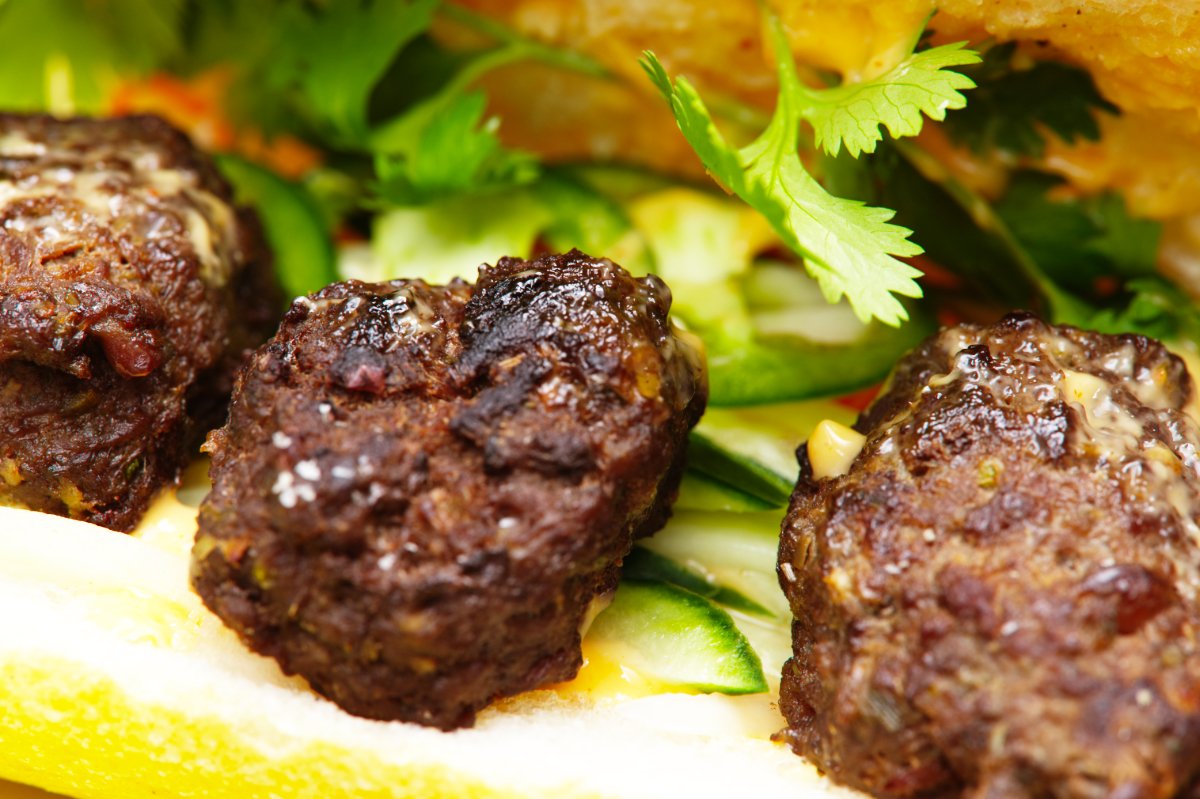
Not to be dramatic or anything, but banh mi is the world’s greatest sandwich, and I will die on that hill. And my Meatball Banh Mi is such a fun twist on the classic, with all of the fresh and mouth watering flavors of the traditional. This masterpiece combines juicy, super flavorful meatballs with the fresh, crisp pickled veggies and herbs you love in a traditional banh mi. It’s all topped off with a tangy, slightly spicy sauce that brings everything together in the best way. Yes, there are several components to this meatball banh mi but both the sauce and the pickles (and even the meatballs) can be made up to a week ahead of time so whipping these up can actually be quite quick. Perfect for a lunch, a fun dinner, or a late summer picnic—these Meatball Banh Mi are a home run, so let’s get into it.

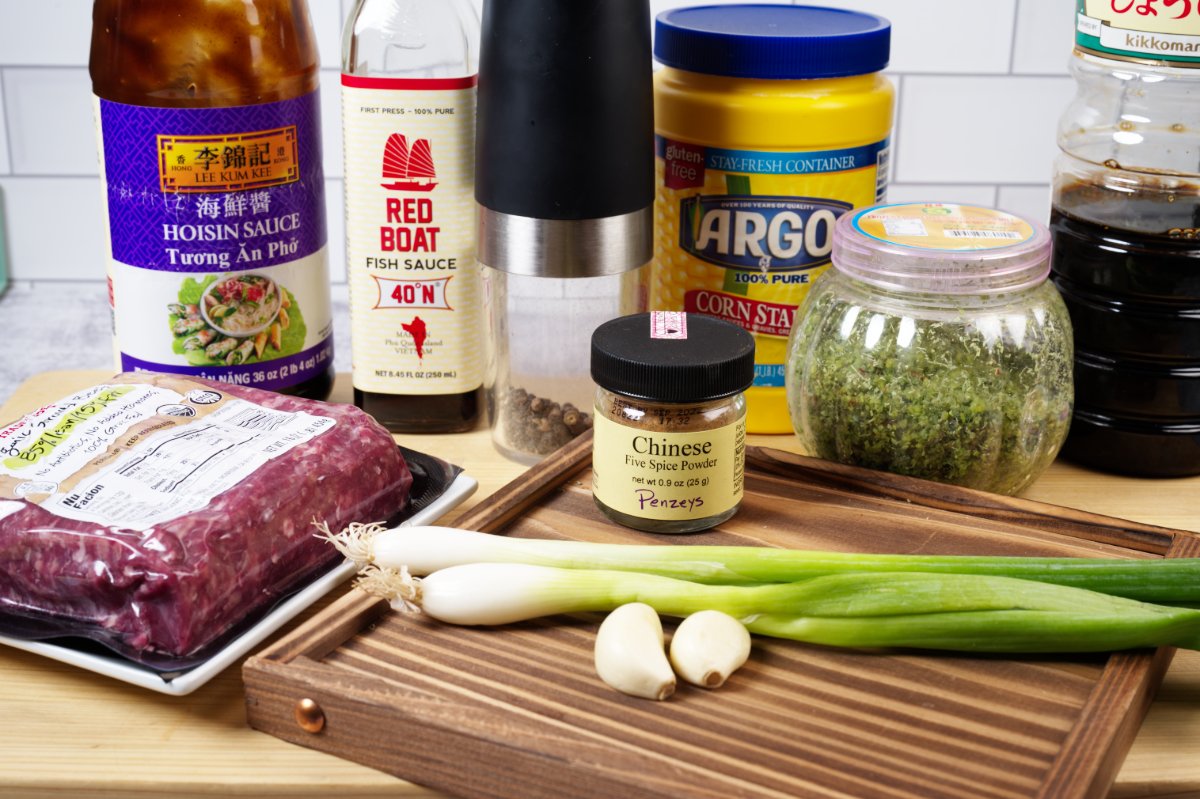
ingredients for the meaball portion

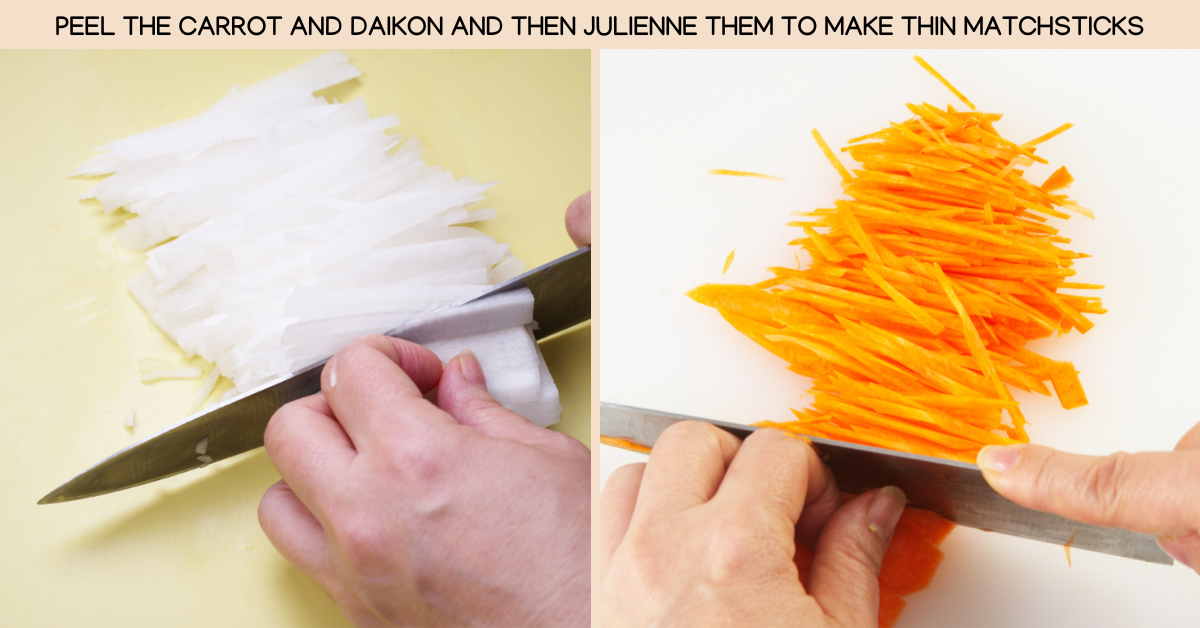
Before we begin, I just want to point out that there’s a tendency to say “banh mi sandwich”, which is essentially saying “sandwich sandwich”. Much like chai translates to tea, so when you ask for a chai tea you are asking for a tea tea. Now that we have that cleared up, let me show you how I make these quick pickled veggies. If you love pickles like I do, make a double batch, they are amazing on top of grain bowls, a zesty addition to a salad, or served alongside Korean BBQ. I start making them by prepping some daikon radish and carrot.

cutting the daikon and carrot into matchsticks

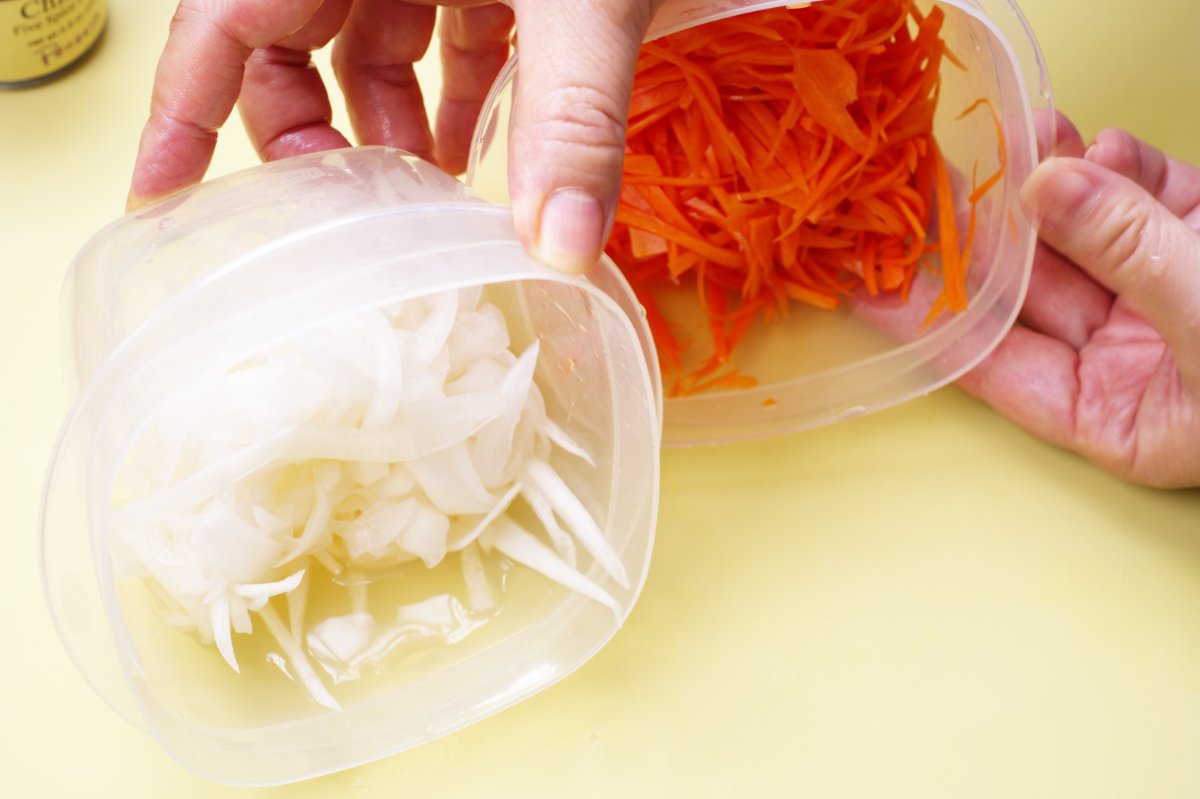
I keep the daikon radish and carrot separated because otherwise the orange from the carrot would bleed into the daikon radish.

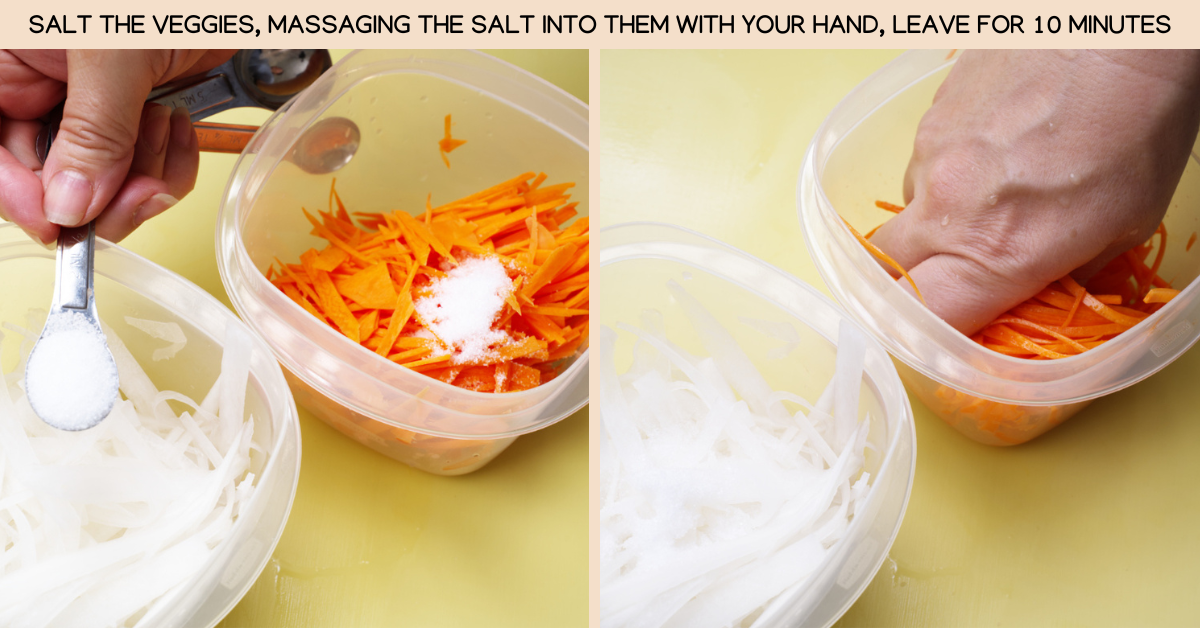
salting the veggies

After 10 minutes the veggies will release some liquid, and I drain that off.

pouring off the liquid from the salted veggies

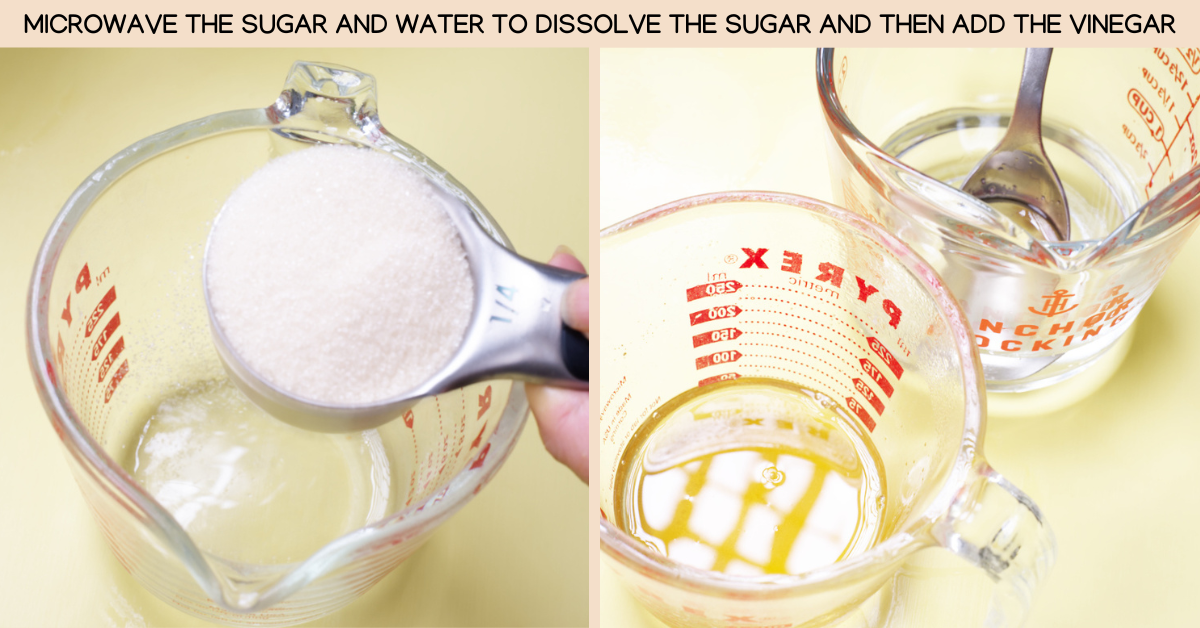
mixing the pickle brine for meatball banh mi

Pour the vinegar mixture over the vegetables and let them sit for at least 30 minutes. They can be made up to a week ahead and kept in the fridge until you’re ready.

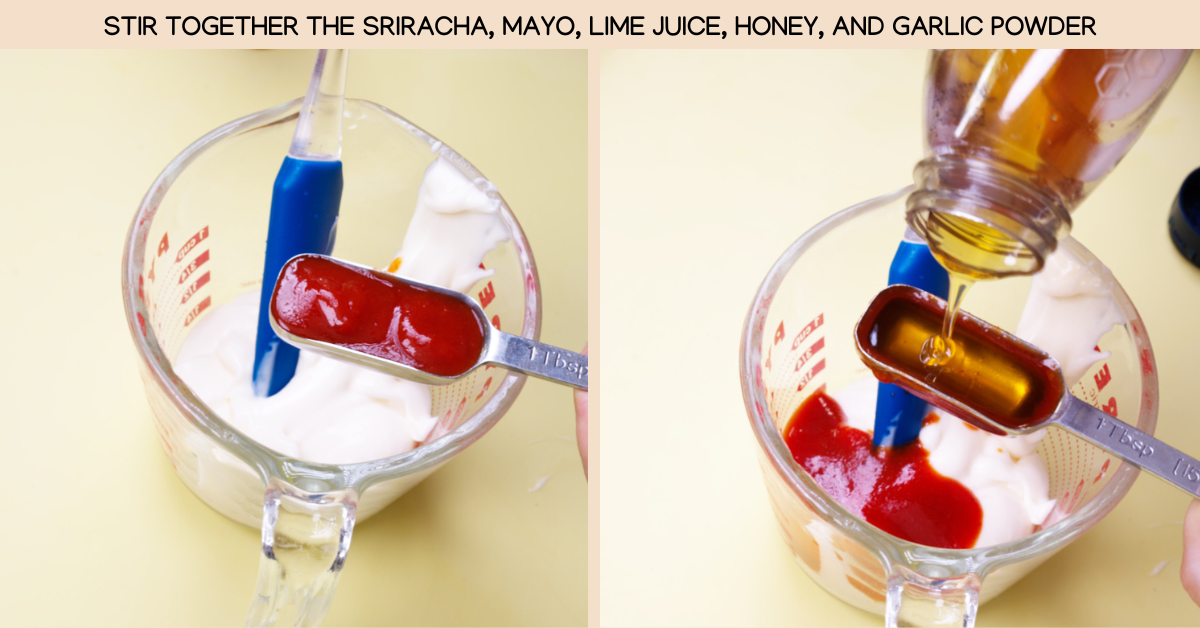
While the pickles are pickling, I move on to quickly whipping up the spread for the meatball banh mi. This can also be stored in the fridge for up to a week. If you have any leftover it makes a wonderful dip for my Poached Chicken.

mixing up the sauce

Because no banh mi would be complete without some fresh and crunchy elements, I also cut up some jalapenos, cucumber, and cilantro.

slicing cucumber into matchsticks

Bahn Mi Meatballs

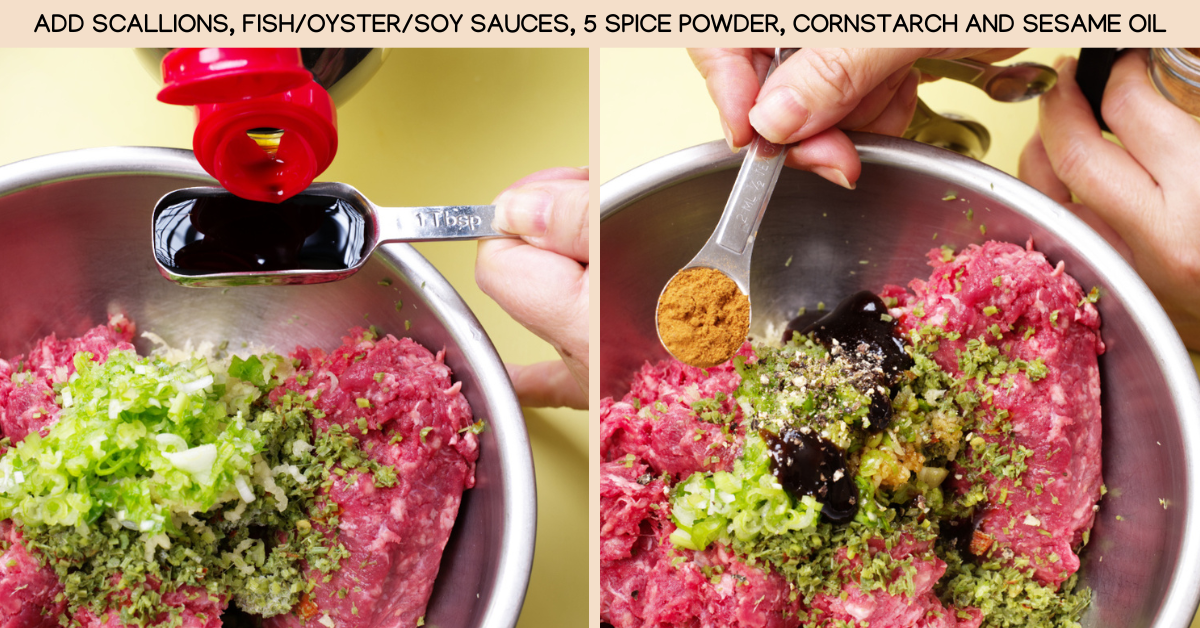
Now that I have the pickles, fresh elements, and sauce made, it’s time to move on to the star of the show-the meatballs! These are no run of the mill meatballs. They are punched up with assertive, umami rich flavors like lemongrass and five spice powder. Fish sauce, sesame oil, and oyster sauce add tons of flavor and also keep them nice and juicy. Speaking of juicy, I like a ground beef with some fat.  So if you’re like me, go for a ground beef that’s 85/15 not the super lean one.

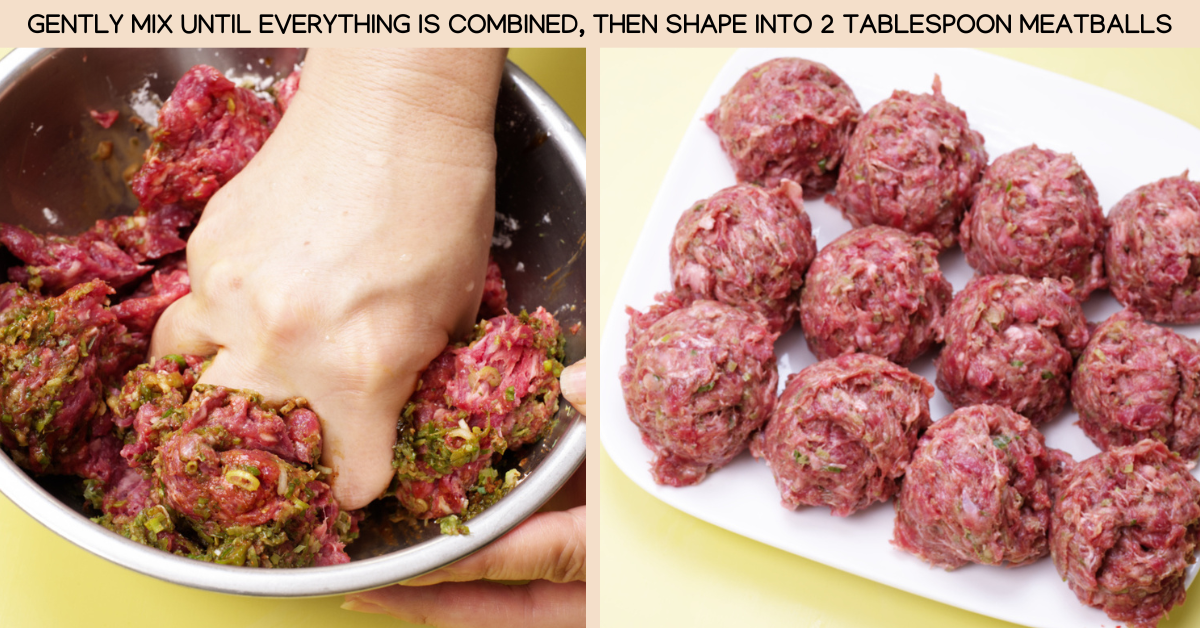
Many times, particularly when making a dumpling filling, I encourage you to get your aggression out and slap that meat. Not here. Be gentle and mix it just until you get a uniform mixture. You don’t want to build up a firm texture.

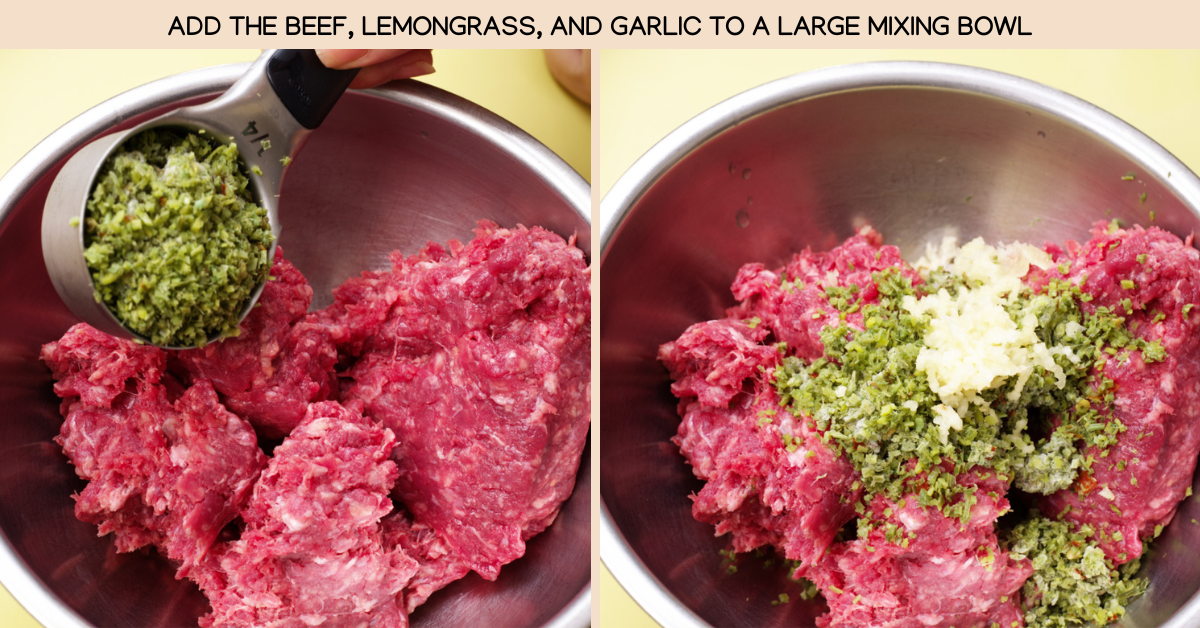
beef, lemongrass, and garlic in a mixing bowl

adding the spices and sauces to the meat

mixing the spices into the meat and shaping into meatballs

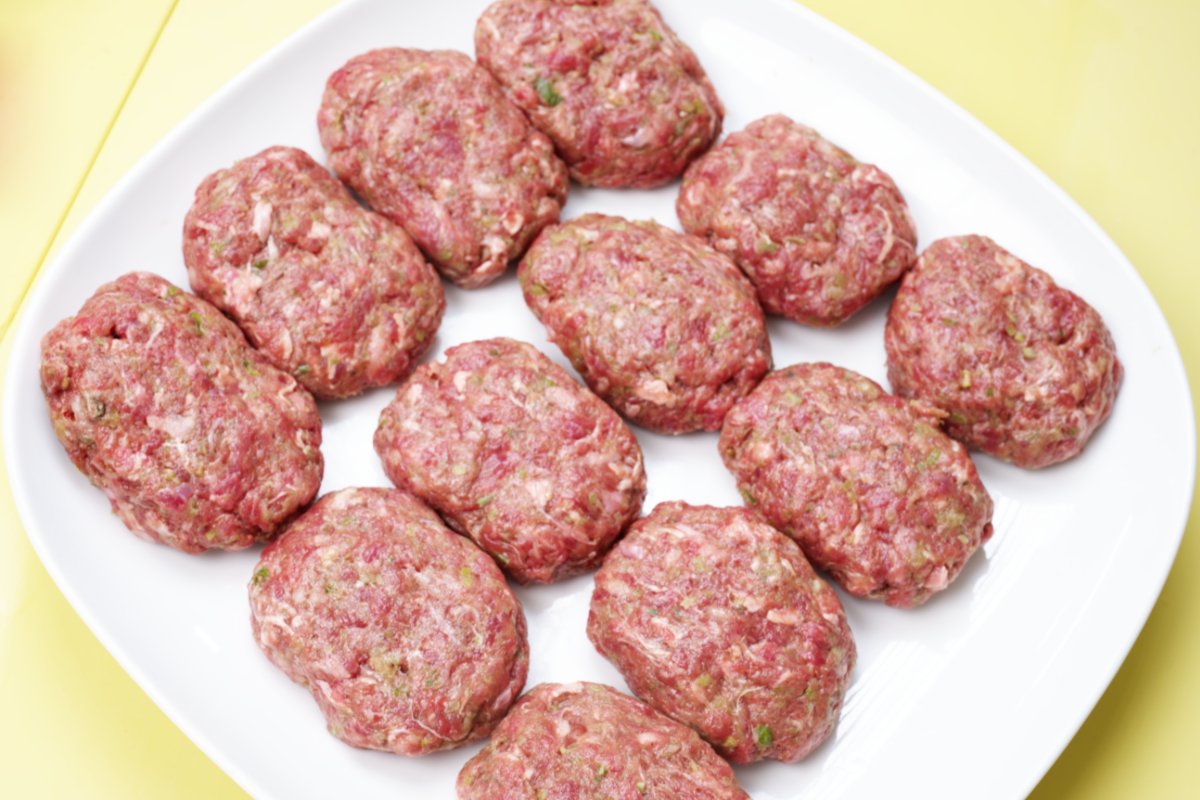
Once the meatballs are shaped I flatten them into oblong disks. This will make the sandwich easier to construct and eat.

meatballs pressed into oval disks

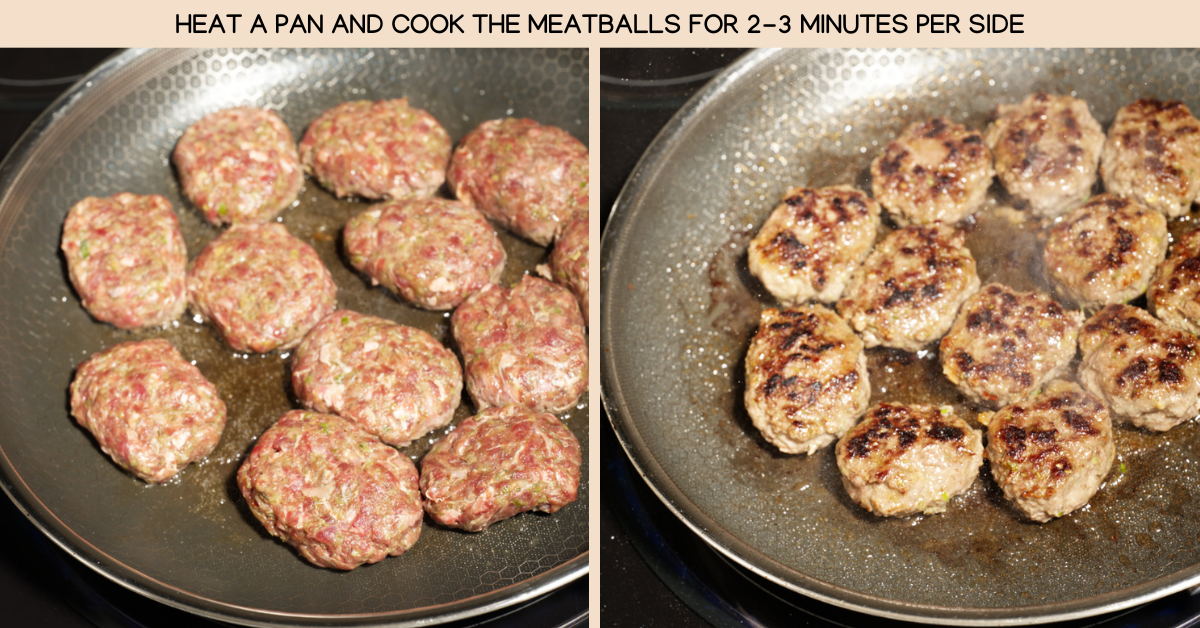
cooking the meatballs in a large pan

Now it’s time to put all the elements together! You can either use one small baguettes or one large one and cut it into servings. The bread is important, after all a banh mi is probably the best example of the French influence on Vietnamese culture. So seek out a good bread with a nice, crispy exterior and a fluffy interior.

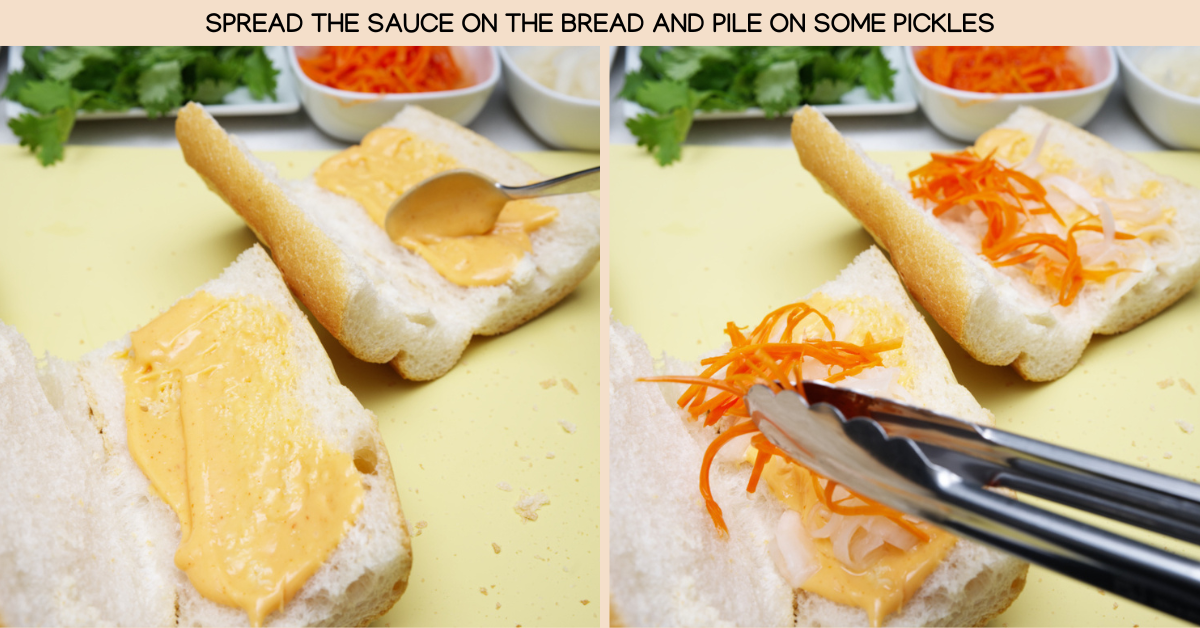
adding sauce and pickles to the bread

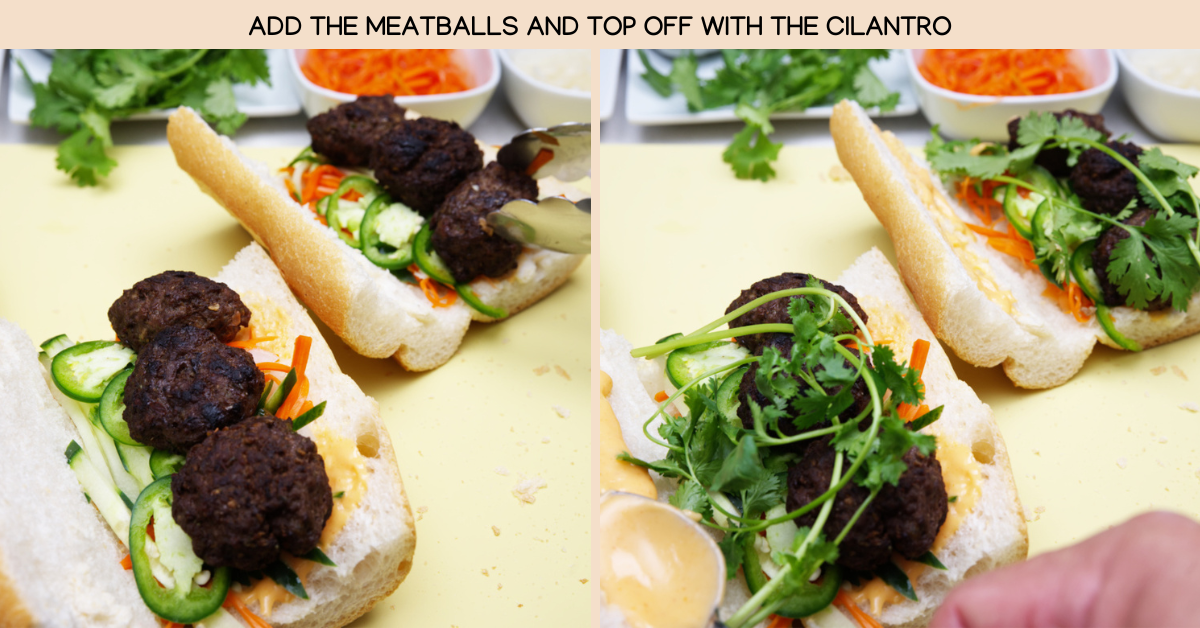
adding the cucumber and jalapenos

finishing the meatball banh mi

photo of meatball bahn mi for recipe card

Pair your gorgeous Meatball Banh Mi with our Tropical Fruit Salad for a perfect late summer meal. Let me know what you think by commenting below, and remember to tag us in your pics @funkyasiankitchen, we love hearing from you!


Print
clock clock iconcutlery cutlery iconflag flag iconfolder folder iconinstagram instagram iconpinterest pinterest iconfacebook facebook iconprint print iconsquares squares iconheart heart iconheart solid heart solid icon
photo of meatball bahn mi for recipe card

Meatball Banh Mi

  • Author: Funky Asian Kitchen
  • Prep Time: 30 minutes
  • Cook Time: 15 minutes
  • Total Time: 45 minutes
  • Yield: 4 sandwiches 1x
  • Category: entrees
  • Cuisine: vietnamese

Ingredients

Scale

For the Meatballs:

  • 1 ½  lb ground beef (85/15 mix)
  • ⅓ cup chopped lemongrass
  • 3 large cloves garlic, minced
  • 3 scallions, trimmed and minced
  • ¾ teaspoon five-spice powder
  • ⅛ teaspoon freshly ground black pepper
  • 2 Tablespoons fish sauce
  • 2 Tablespoons oyster sauce
  • 1 Tablespoon cornstarch
  • 1 ½ Tablespoons toasted sesame oil
  • 2 Tablespoons neutral oil

Sandwich Sauce:

  • ½ cup mayonnaise
  • 1 Tablespoon sriracha 
  • 1 Tablespoon honey
  • ¼ teaspoon garlic powder
  • 2 Tablespoons fresh lime juice

For the pickles:

  • 1 large carrot, sliced into thin matchsticks
  • ⅛ piece daikon radish, sliced into thin matchsticks
  • 1 teaspoon sea salt, divided
  • ½ cup white vinegar
  • 2 Tablespoons water
  • ½ cup sugar

Garnishes:

  • 1 small handful fresh cilantro
  • ¼ european cucumber, trimmed and sliced into thin matchsticks
  • 1 jalapeno trimmed and sliced thin
  • 4 mini baguettes or 1 regular sized baguette

Instructions

Prep your vegetables:

  1. Peel the carrots and the daikon and then trim the ends. You can use either a knife or a mandoline to julienne the vegetables to create thin matchsticks. If using a knife, slice the vegetables thin on the diagonal, then stack the slices and cut through them again to create thin strips. Set aside in two separate containers.
  2. Salt the carrots and daikon with ½ teaspoon of salt each, mix well with your hands, and let sit for 10 mins. Then lightly squeeze out the accumulated juice, and put each vegetable back into the individual containers. This keeps the carrot color from bleeding into the radish.
  3. In a microwave proof bowl, stir together the sugar and water. Then microwave for about 1 minute to help the sugar dissolve. Stir in the vinegar then pour the vinegar marinade over the vegetables equally and let them soak for at least 30 mins or overnight. The pickles will keep in the refrigerator for 1 week. Drain the pickles before using.
  4. In a small bowl, stir together the mayonnaise, sriracha, honey, garlic powder, and lime juice. Set aside until ready to use. This sauce also keeps for a week.
  5. Cut the cucumber into a julienne by slicing the vegetables thin on the diagonal, then stacking the slices and cutting through them again to create thin strips. Set aside or refrigerate until ready to use. 

Make the meatballs:

  1. In a large bowl, combine the beef, lemongrass, garlic, scallion, fish sauce, soy sauce, hoisin, five spice powder, cornstarch, and black pepper. Mix gently until everything is combined.
  2. Scoop the beef into 2 tablespoon balls with a spoon or an ice cream scoop. You should yield around 16 meatballs. Wet your hands with a little water if the mixture is sticky and pat the meat so it is a flat oblong shape which will fit the bread better.
  3. Heat a large pan over medium high heat and cook each meatball for 2-3 mins per side until just cooked through. Adjust the heat a little if the patties are starting to brown too much. (I turn off the heat and cover the pan with a lid for the last minute.)

Assemble the sandwiches:

  1. To assemble sandwiches, slice the baguettes in half horizontally. Spread a generous amount of the sauce onto each half of the bread. Place four meatballs per baguette. Top with some of drained carrot and radish pickles, sliced cucumber, jalapeño, and cilantro. Top with the other half of the bread. (Cut the bread into 4 lengths first if using a full size baguette). Serve immediately.

Notes

*The separate components can be made ahead of time, even the meatballs. You can store the sandwich sauce and pickles for up to a week in the fridge. If you make the meatballs ahead of time, heat them up for a couple minutes in the microwave first.

Keywords: bahn mi, pickles, sandwich, meatballs, beef, lemongrass

Broccoli Salad

Broccoli Salad

If you’re looking for a quick and delicious way to enjoy broccoli, this simple broccoli salad might just become your new favorite. Inspired by my recent trip to Seoul and reminiscent of banchan, the dizzying array of small side dishes that accompany a Korean BBQ read more
Soy Glazed Potatoes

Soy Glazed Potatoes

Whenever I tell people that I don’t love potatoes, they gasp as if I just said I hate kittens. But it’s true, they aren’t my fave veggie by a long shot. I usually find them kind of bland and boring. Generally when I want a read more

Beef Japchae

Beef Japchae

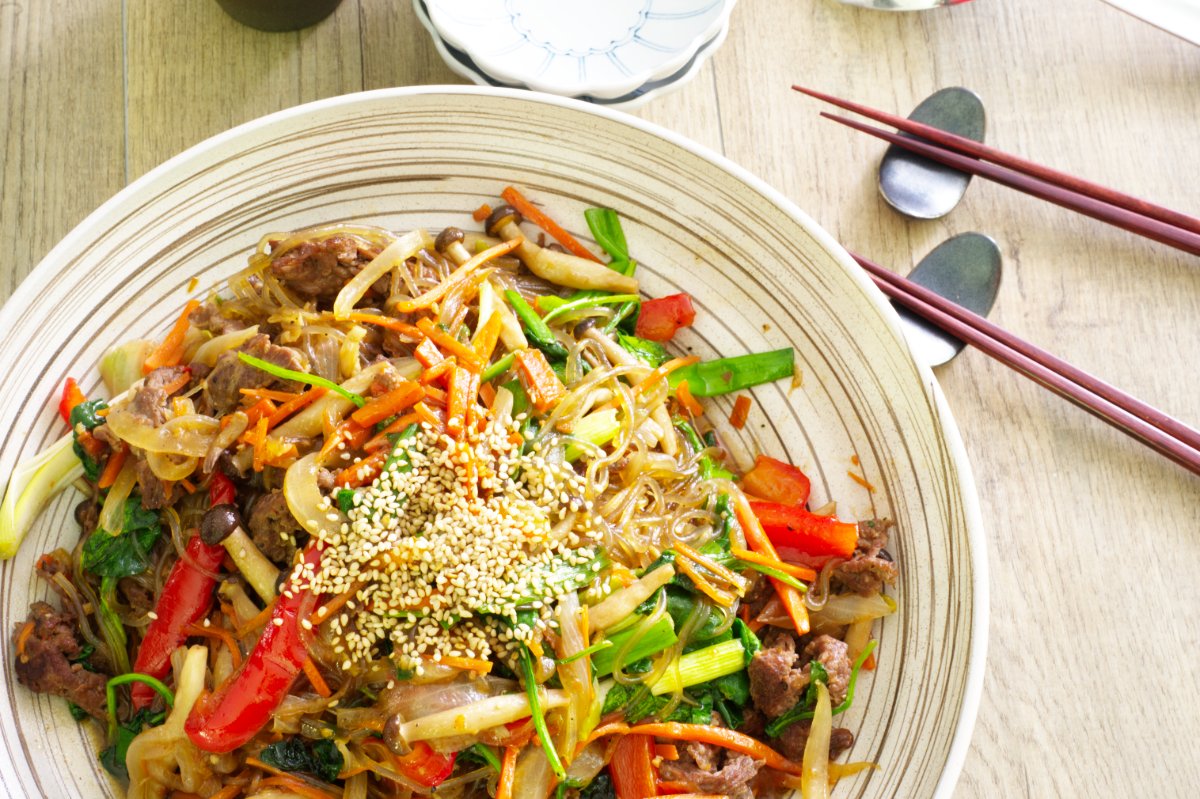
I don’t like to abuse the phrase “game changer”, but sometimes its use is warranted. And this Beef Japchae recipe is one of those times. Japchae is as ubiquitous in Korea as mac and cheese is in the states but it’s more versatile. Although it’s often a side dish served with Kalbi and Bulgogi, it’s also eaten as a snack at room temperature, served as street food as I had on my recent trip to Seoul, and picked up at grocery stores to make a quick meal on the go.

The noodles are made from sweet potato starch so they are gluten free, but they are a fun gluten free-meaning they are traditionally this way, not manipulated to be gluten free and ending up as a pale imitation. They have a delightfully springy texture and absorb sauces beautifully. Making Japchae noodles often involves boiling the noodles separately while stir frying the meat and other ingredients. Each ingredients gets stir fried individually and then the noodles are drained and added to the wok. I’ve also seen variations where everything is tossed together like a giant salad once the individual components are cooked.

Nothing wrong with that process, but it is a bit time consuming, requiring many steps, and the main reason why I made Japchae at home infrequently. Like everyone else, cooking time was a luxury during the week with everything else going on. But then I saw a different process years ago on one of my favorite food blogs, Maangchi, and tried it for myself when I developed my Mushroom Japchae recipe. And it works beautifully. This Beef Japchae is made by layering the noodles and veggies in a heavy pot, and cooking it on medium heat for 20 mins. It’s literally a “set it and forget it” scenario. Game Changer!

You need this (almost) one pot wonder filled with a tangle of noodles, veggies, and tender beef in your life, so let’s get into it.

ingredients for beef japchae

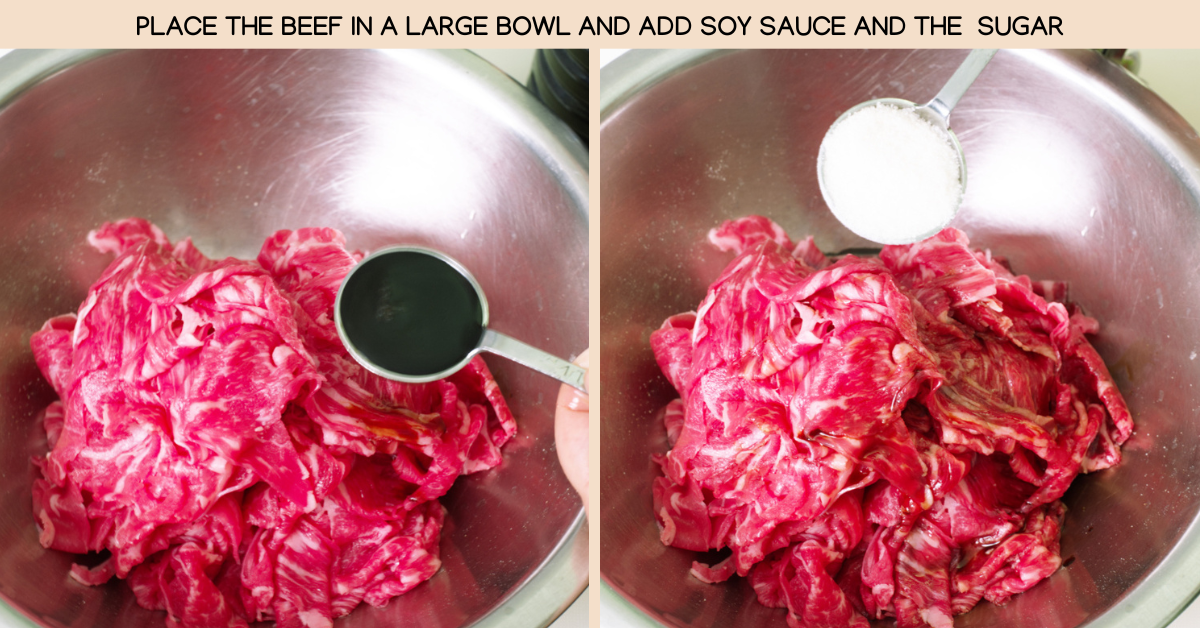
I start making Beef Japchae by soaking the sweet potato noodles. They need to soak about a half hour, until they are pliant. This gives me plenty of time to get everything else prepped and ready to go, starting with marinating the beef. I use a thinly shaved beef, like the kind you’d use for a Philly cheesesteak. I’ve been seeing this available more and more at grocery stores. You can of course slice the meat thinly yourself. Make sure to place the meat in the freezer for about an hour to make it easier. I like a marbled beef for better flavor and tender texture, like a rib eye but you can choose whatever is your favorite cut.
beef soy


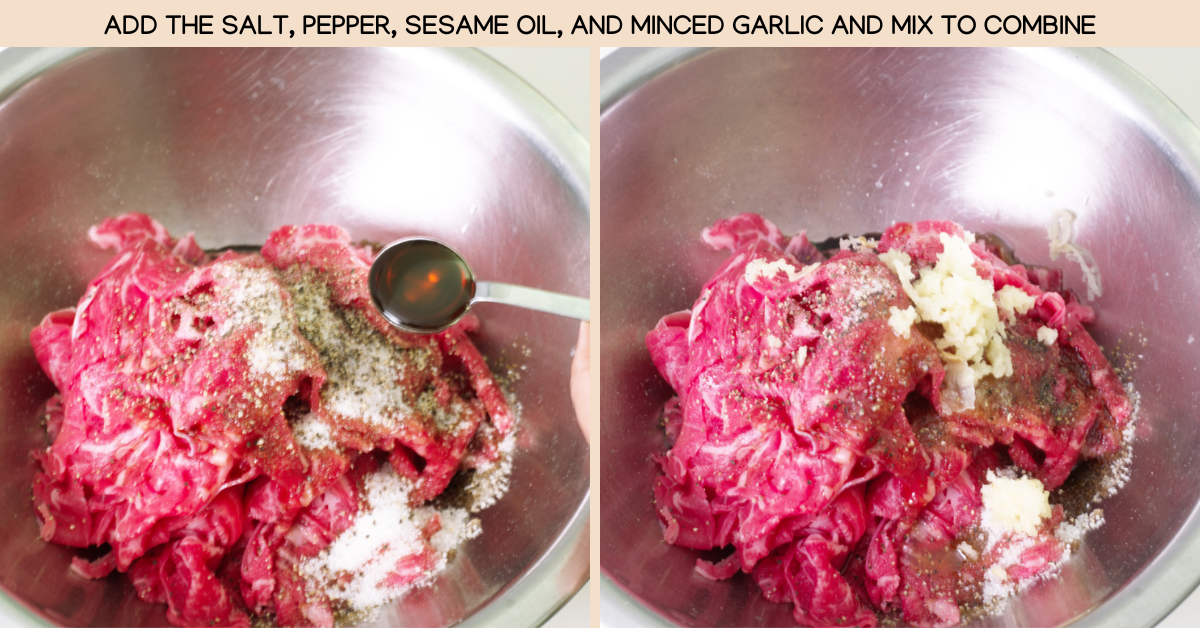
marinated beef

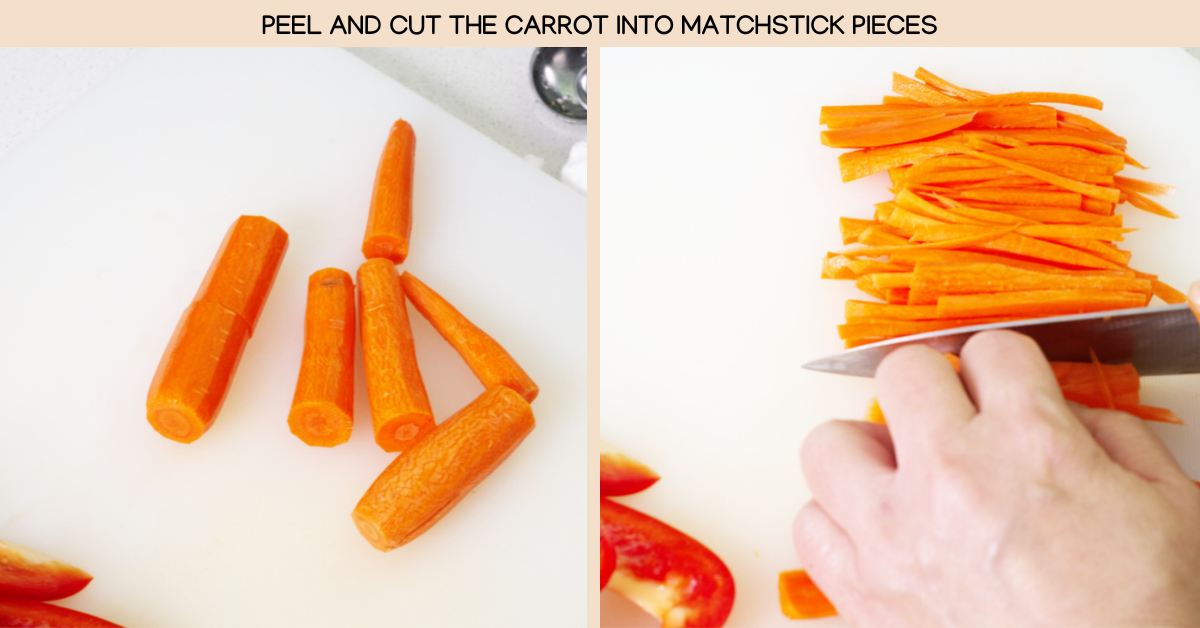
I set the beef aside to marinate and get started prepping the veggies.

carrots japchae

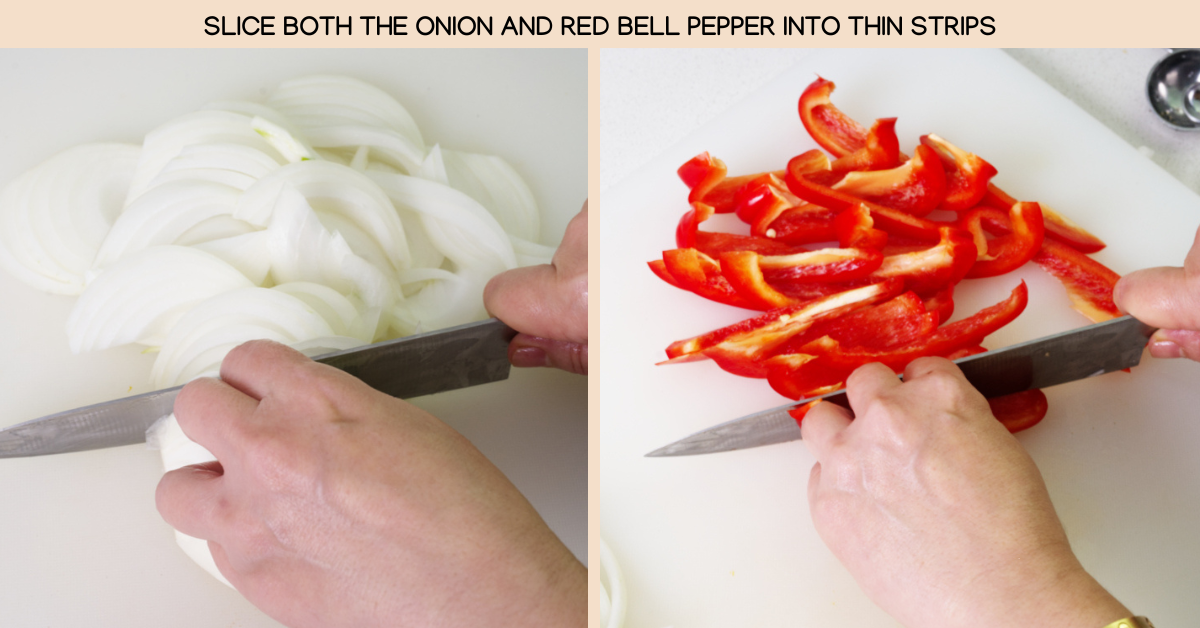
onion red pepper beef

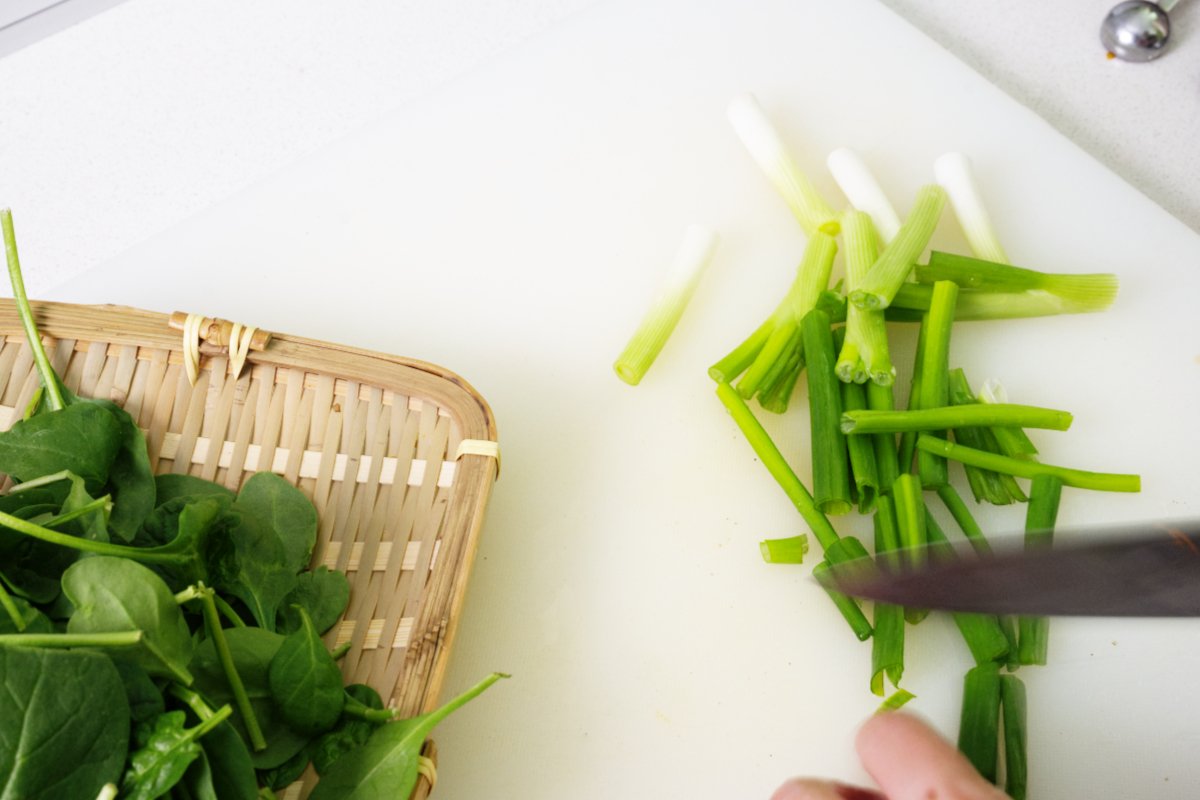
I cut the scallions into 2 inch lengths:

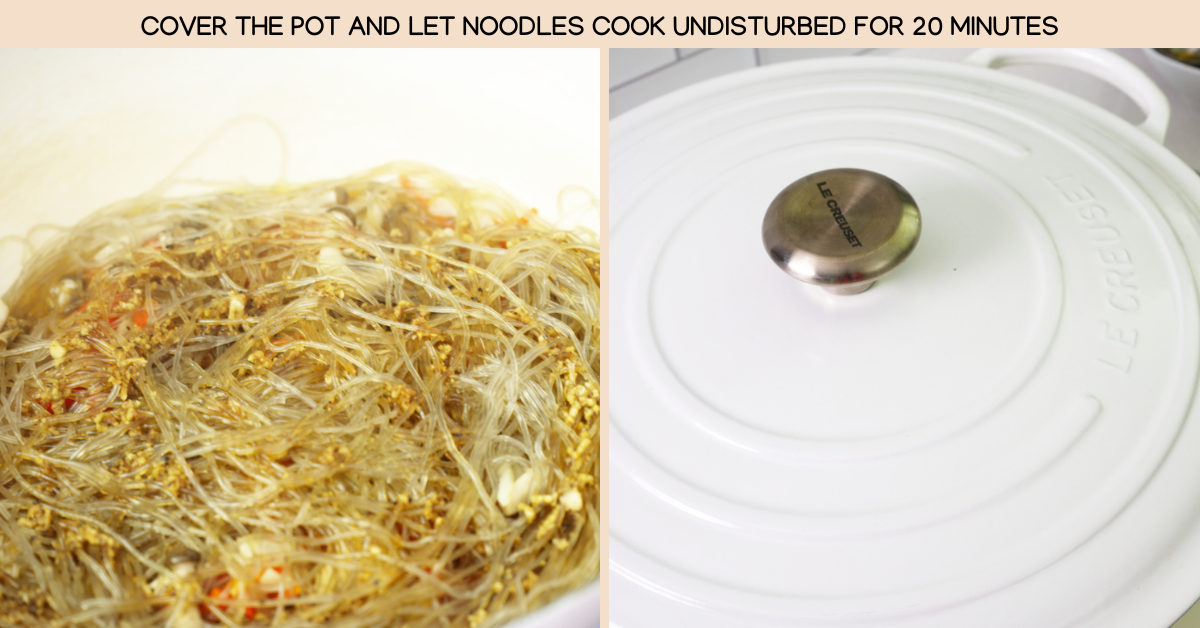
When all the vegetables are chopped, it is time to start layering everything in the pot. I cannot stress this enough, but the key to this dish is using a heavy bottom pot with a tight heavy lid. I used my dutch oven which has a 7 quart capacity. You can weigh the lid down with a large can or something else as needed. If your lid bounces around while the noodles cook, you may lose moisture too quickly, drying out the pan and leaving you with only partially cooked noodles.

noodles japchae

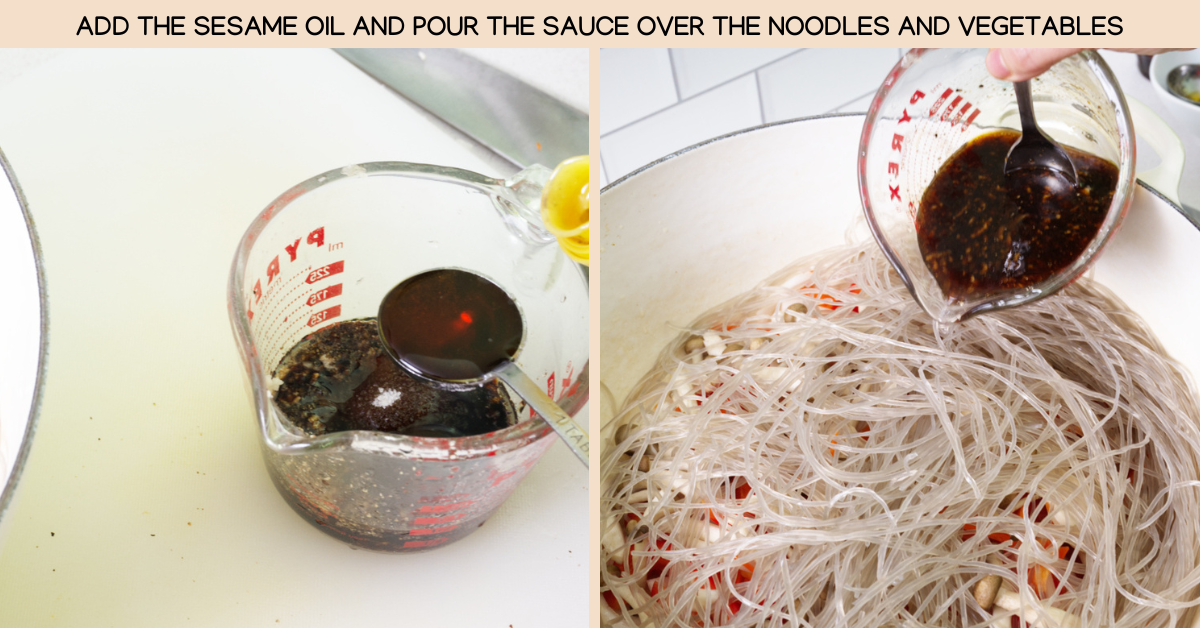
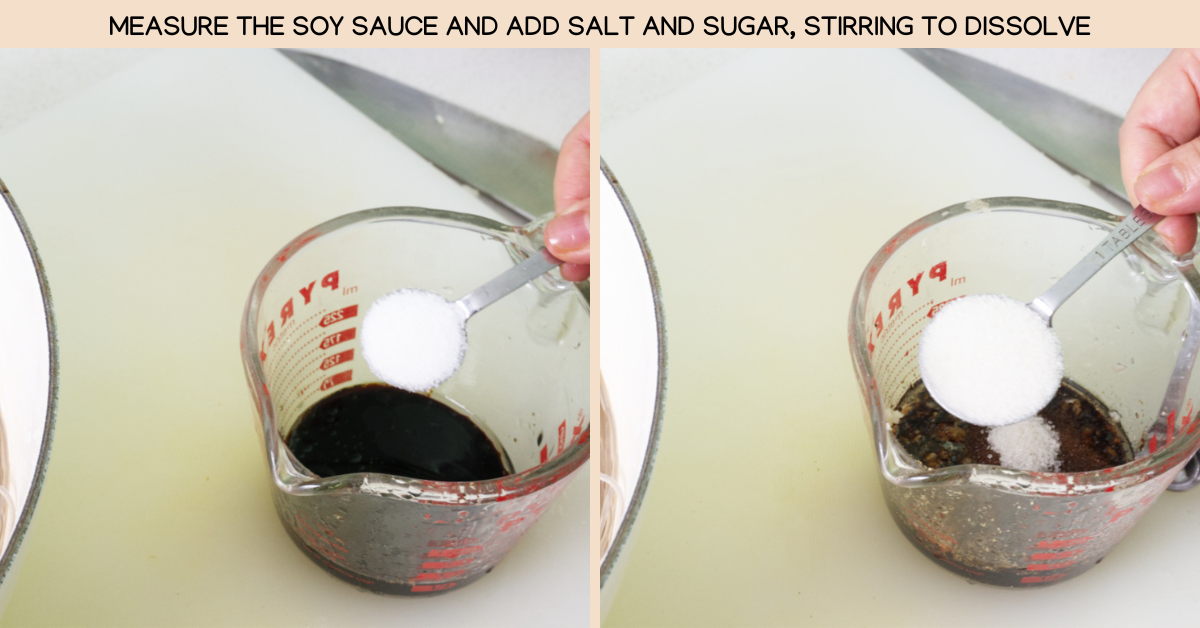
Now it’s time to mix the sauce ingredients and add them to the pot.

adding sauce japchae

While the noodles cook, it’s time to quickly stir fry the beef. Make sure the pan is good and hot before adding the oil so the beef doesn’t stick and will caramelize. Let it cook for a minute without touching it. Again this is to try and get some caramelization. Stirring it around immediately in a cool pan will give you soggy steamed meat.
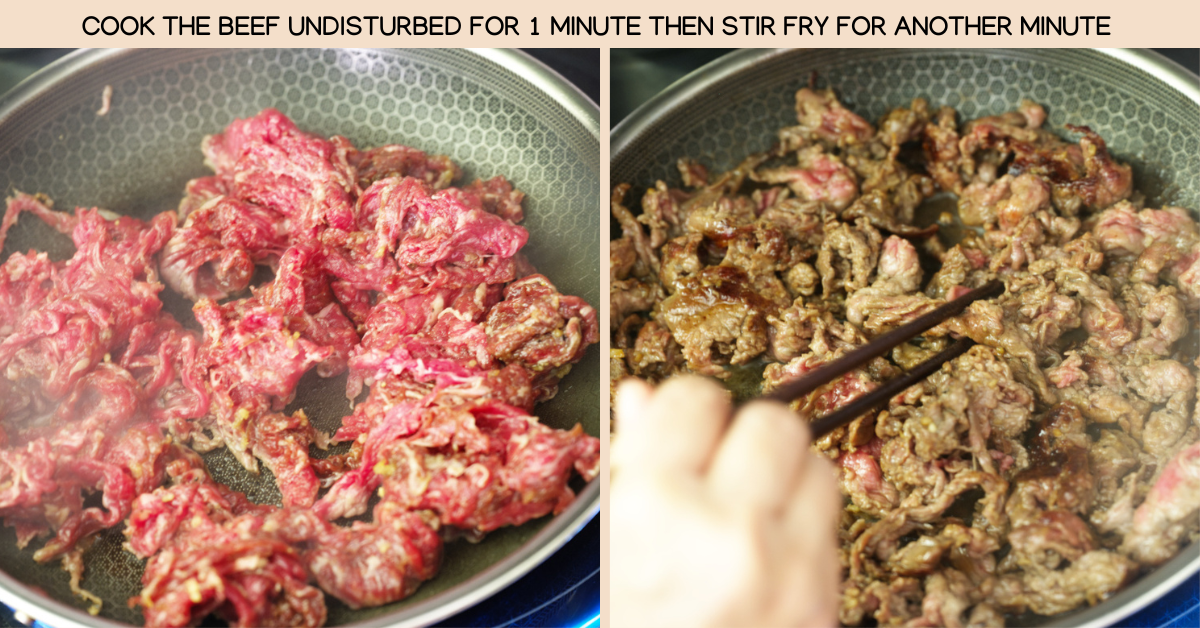
I cook the meat separately because I like my beef caramelized with a touch of pink- soft and juicy. I know you’re asking yourself, why can’t I just add the beef on top of the noodles and call it a day? Are you not encouraging us to make lazy/smart Japchae? Oh wise one, you can and save yourself a step and some dishwashing. However, some steps are important and I would advise that this is one of them. Otherwise, the beef which will be steaming for about 10 minutes, will be grey and probably a little overcooked.
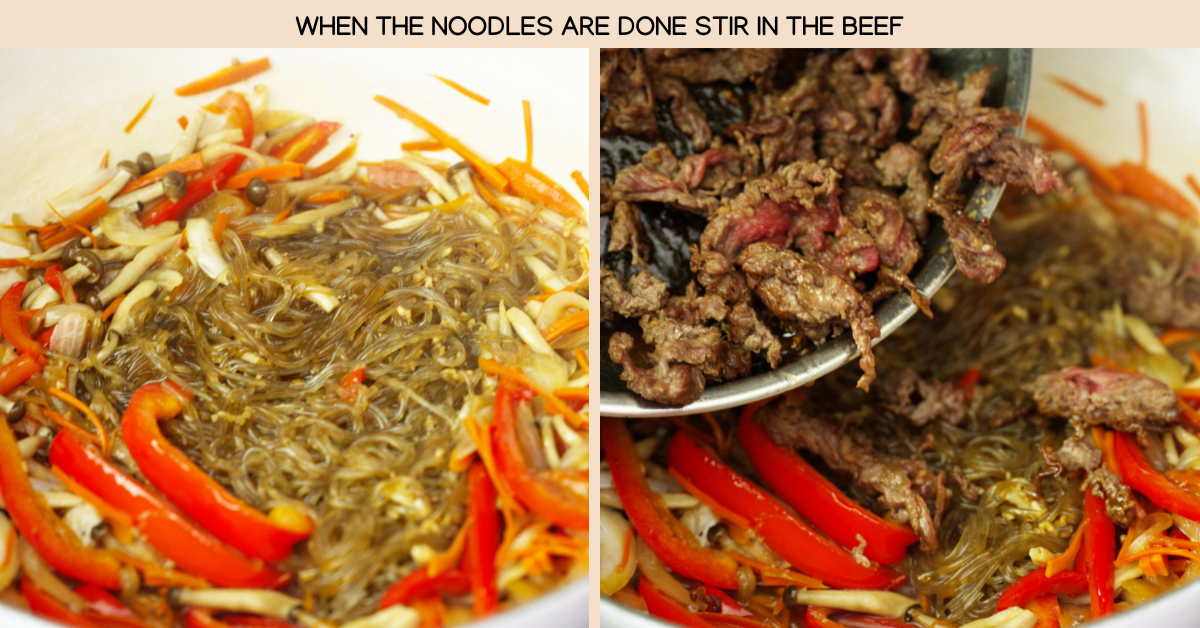
But if that’s not enough to dissuade you, then do yourself a favor and choose a tender, well marbled cut and take a couple minutes to separate the beef as best you can as you lay it on top of the uncooked noodles (if the beef cooks as a giant clump, you will not be able to separate it later). Then cover the pot with the lid and proceed with cooking the same way.

str fry beef

spinach japchae

I have tried this dish many times and several of my family and friends have also tried it with great results. The key is to use a heavy pot, like a dutch oven that has a tight heavy lid. Once 20 minutes are up, take off the lid and taste a noodle. It should be chewy and full cooked. If it still has a small core, replace the lid and cook for another 5 minutes, adding a couple tablespoons of water if the pan is dry. However, if the noodles are cooked after 20 minutes but you still see a lot of liquid in the pot, raise the heat to medium high for a couple minutes to cook off some of the excess liquid. This dish should not be overly saucy.

Once your Japchae is ready, transfer it to a platter and garnish with some toasted sesame seeds.

I hope you love this streamlined version of Beef Japchae! Please take a moment to rate and comment on the recipe and let me know what you think. And don’t forget to tag us in your glorious dinner pics @funkyasiankitchen, we love hearing from you!

If this Beef Japchae reminds you how much you love Korean food check out some of our other popular recipes like Watermelon Soju, Spicy Bean Sprouts, and Gochujang Meatloaf.


Print
clock clock iconcutlery cutlery iconflag flag iconfolder folder iconinstagram instagram iconpinterest pinterest iconfacebook facebook iconprint print iconsquares squares iconheart heart iconheart solid heart solid icon

Beef Japchae

  • Author: Funky Asian Kitchen
  • Prep Time: 15 minutes + 30 minute soak
  • Cook Time: 25 minutes
  • Total Time: 0 hours
  • Yield: serves 4-6 1x
  • Category: entrees
  • Cuisine: Korean

Ingredients

Scale
  • 6 ounces sweet potato noodles, soaked in water for 30 mins or until pliant
  • 1 large onion, trimmed, halved, and sliced thin 
  • 1 red bell pepper, seeded and sliced thin
  • 1 large carrot, peeled and cut into matchsticks
  • 1 pack shimeji mushrooms about 3.5 ounces (or 4 ounces of any other mushroom)
  • 2 handfuls of spinach (about 1.5 ounces)
  • 3 scallions, trimmed and cut into 2 inch lengths
  • ¼ cup water
  • ¼ cup neutral oil
  • 1 Tablespoon roasted sesame seeds

Marinated Beef:

  • ½ pound thin sliced beef (I used a philly steak-style sliced rib eye)
  • 1 ½ Tablespoons soy sauce
  • 1 ½ Tablespoons sugar
  • 2 cloves garlic minced
  • 2 teaspoons sesame oil
  • A couple grinds/dashes ground black pepper

Sauce:

  • ¼ cup soy sauce
  • 2 Tablespoons sugar
  • 6 cloves garlic cloves minced
  • 1 teaspoon sea salt
  • 2 Tablespoons sesame oil
  • Ground black pepper to taste

Instructions

Marinate the beef:

  1. Place the beef, soy sauce, sugar, garlic, black pepper, and sesame oil into a bowl and mix the beef so that it is well coated.
  2. Set aside.

Make the sauce:

  1. Put all of the sauce ingredients into a bowl or cup and stir until the sugar has dissolved.
  2. Set aside.

Make the Japchae:

  1. Place the sliced onion, carrot, and bell pepper in the bottom of a large heavy bottom pot. Add the water and oil and toss so the vegetables are evenly coated. 
  2. Drain the noodles and cut them into manageable lengths (the length of spaghetti) with a pair of kitchen scissors. Place the noodles in an even layer over the vegetables. 
  3. Pour the sauce evenly over the noodles trying to cover as much of the noodles as possible.
  4. Cover the pot and set it on the stove. Turn the heat to medium and set the timer for 20 minutes. Let the noodles cook undisturbed while you cook the beef.
  5. Heat a medium pan over medium high heat for several minutes. Add the oil and swirl to cover the pan and add the beef in a thin layer.
  6. Cook the beef without touching it for 1 minute and then use chopsticks or tongs to stir fry it for another minute. It should still be a little red and undercooked.
  7. When 20 minutes have passed, remove the lid. Check that the noodles have cooked through. They should be chewy and bouncy but not unpleasantly firm or hard. (If the noodles taste undercooked, place the lid again and continue cooking for another 5-7 minutes. Add a couple tablespoons of water if the pot looks dry.)
  8. There may still be some liquid in the pan. If there is, raise the heat to medium high and cook off some of the liquid as you stir the noodles to incorporate the vegetables.
  9. Taste again and adjust seasoning with a little soy sauce, sesame oil, salt, or pepper as needed.
  10. Add the beef and continue mixing for another minute. Add the sesame oil, scallions, and spinach and cook for another minute until they have wilted. 
  11. Transfer the noodles to a serving dish, garnish with sesame seeds, and serve immediately.

Notes

*Japchae is delicious hot, warm, or room temperature, which makes them great for a potluck or barbecue. You can refrigerate any leftovers for several days. Reheat on medium low for several minutes in a covered pan, stirring a couple times. Once the noodles are a clear color again, they are done. You can also reheat in a microwave on 50% power for 3-5 minutes. Heat in 1 minute bursts, stirring in between.

*Use gluten free soy sauce to make the dish fully gluten free.

*If you do not have the exact vegetables mentioned, you can substitute. Kale, snap peas, and zucchini all make good substituttions. Some vegetables, like mushrooms and zucchini are very water logged, so you may have a lot of water remaining in the pot after the noodles have finished cooking. Just raise the heat to medium high and cook it off for a couple minutes.

Keywords: beef japchae, korean, one pot, mushrooms