Category: Gluten Free

Korean Egg Soufflé

Korean Egg Soufflé

This Korean Egg Soufflé, know as gyeranjjim, has deep roots in Korean cuisine and is a beloved comfort food, often found in home-cooked meals. Traditionally, it’s steamed gently until the eggs puff up into a soft, custard-like texture, making it an ideal banchan (small side) read more
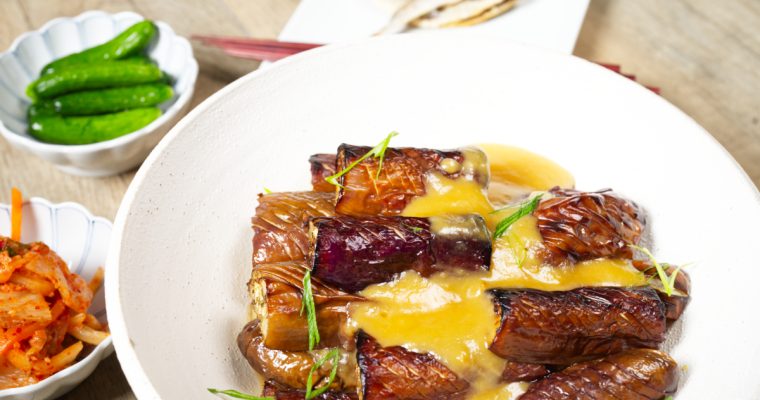
Miso-Glazed Eggplant

Miso-Glazed Eggplant

I just love a side dish that can steal the show, don’t you? Especially if said side dish relies on pantry staples I already have on hand. If you’re craving big, bold flavors with minimal effort, this Miso-Glazed Eggplant might be your new go-to. Made read more

Roasted Chestnut Soup

Roasted Chestnut Soup

There’s something so comforting about a bowl of rich, creamy soup when the weather cools down, and roasted chestnut soup is one of those holiday season classics I look forward to each year. This soup is unusual, a little mysterious, and has a rich but light flavor. Plus chestnuts! I love them and they are so underutilized, so I try and find as many uses for them as I can. My recipe adds an unexpected twist by starting with a quick katsuobushi broth. Don’t worry – there’s no fishiness here, just a beautiful trace of a slightly smoky layer that brings out the sweetness of the chestnuts.

Roasted chestnut soup makes a very elegant starter for a holiday dinner party, but it couldn’t be easier to prepare. Plus this is a great way to use up those chestnuts we roasted together last week! If you’re looking for a holiday starter or a warm-up treat for winter chilled nights this soup is the one, so let’s get into it!

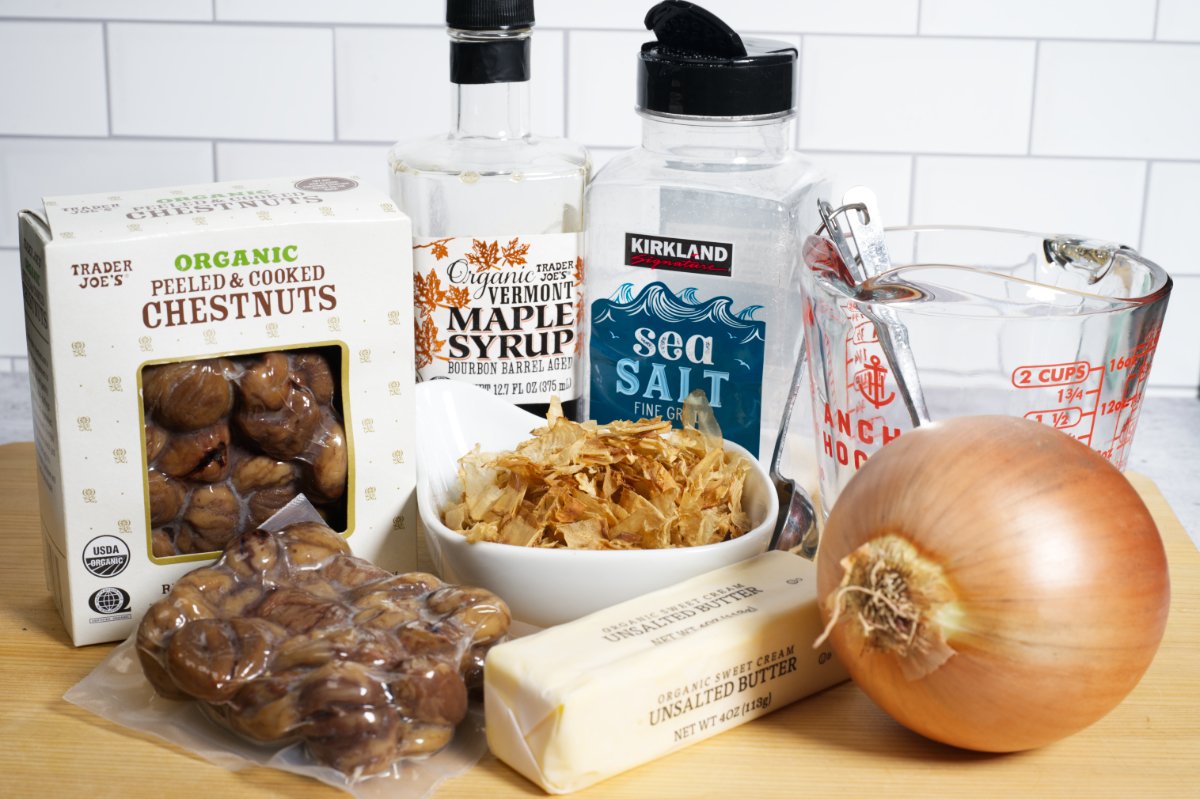
ingredients for roasted chestnut soup

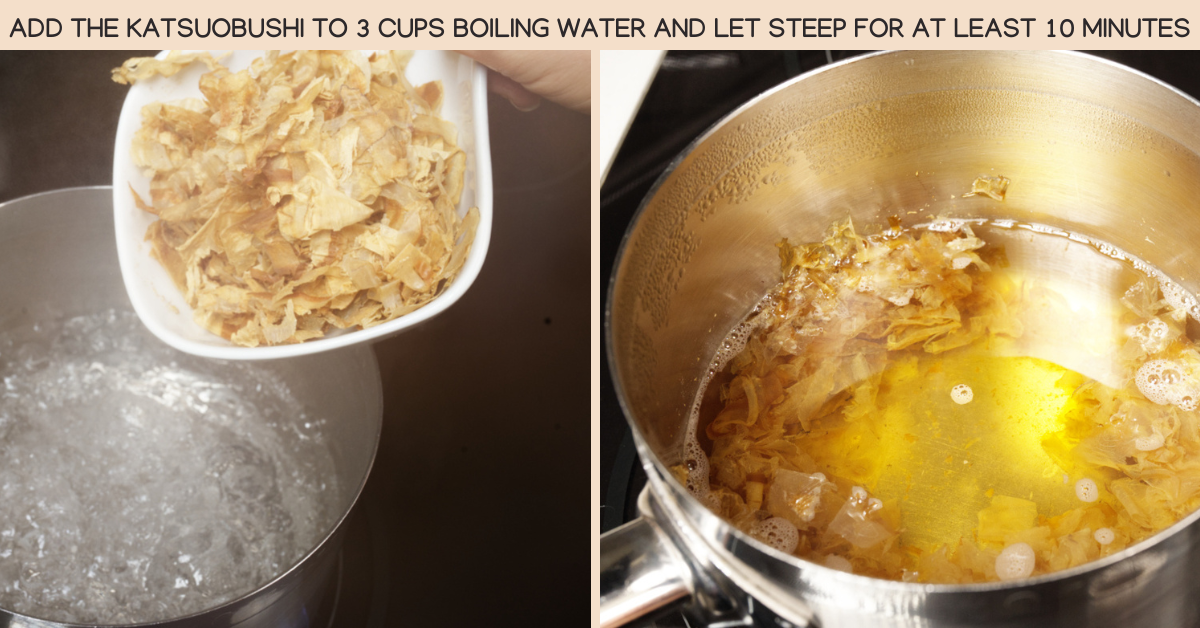
I start making my Roasted Chestnut Soup by steeping a katsuobushi broth. Katsuobushi, also known as bonito flakes, is made from dried, smoked, and fermented skipjack tuna. It has an absolutely beguiling smell, and adds a subtle smokiness. You can find it in most well stocked Asian/Japanese markets and of course online.

This stock is amazing because it’s almost instant. You only need 10 mins of steeping and you get a beautiful golden broth. No cooking necessary. As soon as the water comes to a boil, dump the flakes in, and take the pot off of the heat.

photo steeping the broth with bonito flakes

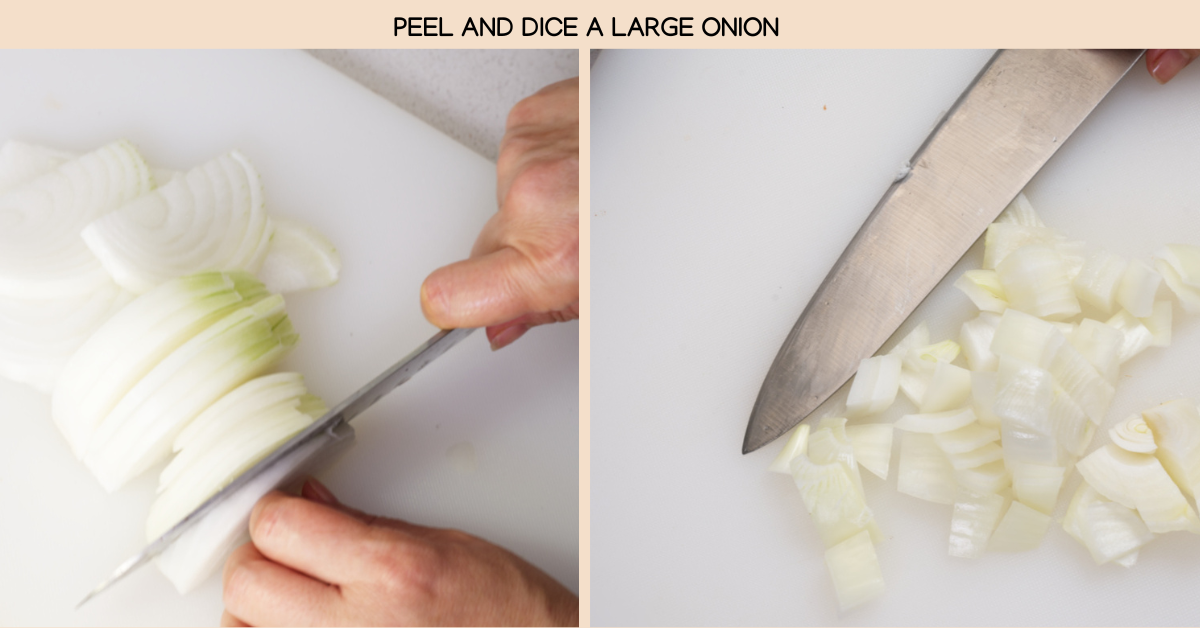
While that’s steeping I move on to dicing and sautéing my onions.

photo grid of dicing an onion

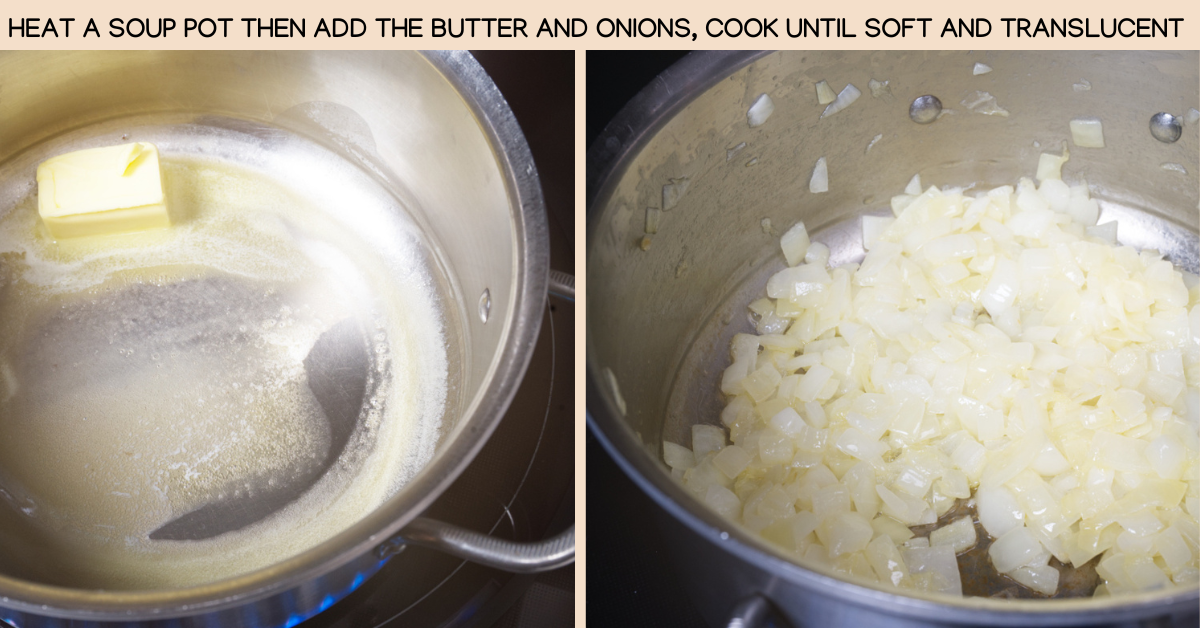
photo grid of cooking onions and butter in soup pot

Keep an eye on the onions; we want them nice and soft but not browned; caramelized onions would overpower the chestnut flavor. Slow and low is the way to go. Turn down the heat a little if you start to see some color. When the onions are translucent, I add the other ingredients. Strain the broth straight into the pot and press down on the solids to get all of the liquid.

photo adding the strained broth and chestnuts to soup

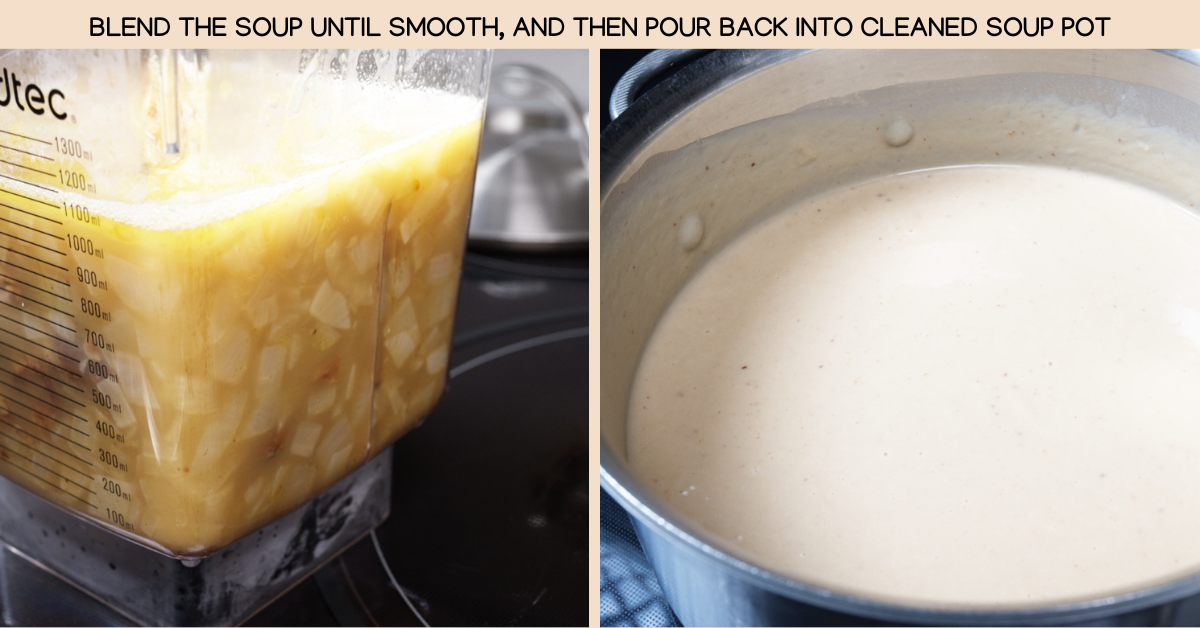
I let it simmer, covered, for about  five minutes. The fragrance will start to fill your kitchen and then it’s time to blend it. Very carefully transfer the soup to your blender. Make sure you don’t go over the maximum fill line-better to blend in two batches. Also, you will want to leave the feed tube open and covered tightly with a kitchen towel. Then pulse the soup slowly at first to blend it. This is so you don’t build up steam and pressure in the blender cup which could end up burning you or result in roasted chestnut soup on your ceiling…If all of that sounds too hazardous, you can either use an immersion blender or simply let the soup cool off before blending.

photo of soup in the blender

The only thing left to do is taste for seasoning and serve. I’ve served the soup simply here but a splash of heavy cream, a garnish with some additional chopped roasted chestnuts, or a little splash of sherry wouldn’t be out of place either, tis the season!

featured image of chestnut soup

In our house, we love serving this with a side of bread – the rich creaminess of roasted chestnut soup practically begs for a good dunk.

I hope this rich and creamy take on Roasted Chestnut Soup adorns your holiday table this year; it’s so easy and your guests will love its sophisticated East meets West flavors. So grab those roasted chestnuts, or pick up some bags of ready to eat bags at the store, and get ready to enjoy a soup that’s as warm and inviting as the season itself. Let me know what you think below, and tag us in your pics @funkyasiankitchen, we love hearing from you!


Print
clock clock iconcutlery cutlery iconflag flag iconfolder folder iconinstagram instagram iconpinterest pinterest iconfacebook facebook iconprint print iconsquares squares iconheart heart iconheart solid heart solid icon
photo of the finished soup for recipe card

Roasted Chestnut Soup

  • Author: Funky Asian Kitchen
  • Prep Time: 10 minutes
  • Cook Time: 15 minutes
  • Total Time: 25 minutes
  • Yield: serves 4
  • Category: soup
  • Cuisine: pan-Asian

Ingredients

Scale

Broth:

  • 4 cups water 
  • ¼ ounce katsuo bushi (a small handful)

Soup:

  • 4 Tablespoons unsalted butter
  • 1 large onion, diced
  • 2 cups roasted and peeled chestnuts, about 12 ounces
  • 1 Tablespoon maple syrup
  • 1 teaspoon salt
  • Fresh ground pepper to taste

Garnish:

  • A couple tablespoons of heavy cream
  • A couple tablespoons chopped chestnuts
  • Some parsley sprigs

Instructions

  1. Make the broth: Bring the water to a boil in a small pot. Add the katsuo bushi and turn the heat off.
  2. Let the katsuo bushi steep for at least 10 minutes while continuing with the soup.
  3. Make the soup: Heat a medium sized pot over medium heat for several minutes.
  4. Add the butter and onions. Cook for 10-12 minutes until the onions are very soft and translucent. Lower the heat a little  if the onions start to brown. 
  5. Add the chestnuts, maple syrup, salt, and ground pepper. Pour the broth into the pot using a strainer. Discard or repurpose the used katsuo bushi. 
  6. Bring to a simmer over high heat and then cover with a lid and lower the heat to medium. Simmer the soup for 5-7 minutes.
  7. Carefully transfer the soup to a blender. Open the feeding tube, cover the opening with a kitchen towel, and carefully pulse the soup at first (these are precautions to keep the hot soup from bursting out of the blender cup). Blend the soup until smooth. 
  8. Pour the soup back into a clean pot and check for seasoning. The soup should be creamy and slightly thick. Add a little water if it seems too thick. 
  9. Serve immediately with a splash of heavy cream, a sprinkling of chestnuts, or a sprig of parsley.

Notes

*To make this vegetarian, swap the bonito stock for vegetable stock.

Keywords: roasted chestnuts, holiday, soup, katsuobushi

Warabi Mochi

Warabi Mochi

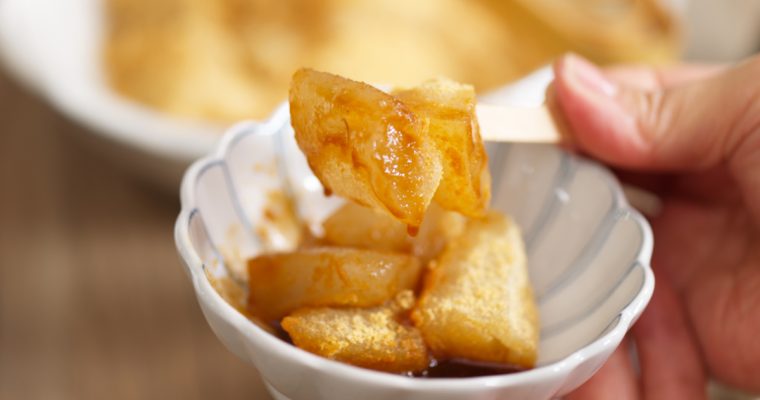
Warabi Mochi is a traditional dessert enjoyed in Japan, especially during the summer months. Usually served chilled, it has a fun jelly-like texture. Chewy and “bouncy” textures are really popular in many Asian countries, celebrated for their unique and satisfying mouthfeel. From Taiwan’s boba drinks read more

Corn Cheese

Corn Cheese

You don’t see a lot of cheese in most Asian cuisines. But boy does that change in South Korea! Dating back to the war when American army bases would hand out some of their rations like Spam, canned corn, corn meal, and sliced cheese, Koreans read more

Poached Chicken

Poached Chicken

In theory I get the appeal of meal prepping. In practice though the idea of making a big batch of say, chicken and rice, on a Sunday and then eating that same chicken and rice on Monday, Tuesday, Wednesday, Thursday and Friday is my personal idea of hell. How do I know on Sunday what I will be craving on Friday?!  The monotony of it all makes me sad. I feel like meal prepping is for people who don’t really enjoy cooking and don’t see it as a creative pursuit in and of itself. But I do get the appeal of opening the fridge and having some of the work already done. So my idea of meal prepping is to have ingredients, rather than meals, prepped and ready to go so that I can reap the benefits of planning ahead while still satisfying my desire to cook and eat in the moment. And that’s where this Poached Chicken comes in.

If you think this is a dish that belongs back in your grandmother’s country club era, think again. Perfectly poached chicken is lusciously tender, and a blank canvas for an endless variety of delicious and healthy meals. Sandwiches, salads, noodle bowls, tacos, and more can be ready in minutes if you have these poached chicken breasts sitting pretty in your fridge, so let’s get into it.

ingredients for poached chicken

Poached Chicken has a bad rap for being bland and dry. But not with my method! A flavorful poaching liquid and gentle cooking insures perfect results every time. Seasoning the poaching liquid with  ginger, garlic, bay leaves and onions gives the chicken a nice flavor base without overpowering it so it can still be used in any recipe.

When I was a kid, there was one Thanksgiving where we had to leave during the day to visit some friends. We had only been cooking the turkey for a hour and worried that we would come home and the turkey would be raw, forcing my mom to scramble to get the meal on the table. Shockingly, when we cut into the turkey, it was fully cooked and probably the best turkey we had ever tasted. Moist, tender, and oh so juicy. The idea of cooking meat on high heat at first and then finishing the cooking on residual heat is not new but it was the first time for me that I tasted what a transformation it could have on meal. Lean protein in particular, like boneless skinless chicken breasts, really benefit from this method of cooking.

smashed garlic poached chicken

ginger onion poached chicken

For this recipe I seek out smaller chicken breasts, around 8 ounces each. This helps them to cook evenly and in less time so they stay moist. If using larger chicken breasts cut them in half (crosswise) before proceeding. I also use a fork to pierce the chicken all over, this both helps it absorb the flavors of the poaching liquid and shortens the cooking time.

The pot you use is important. It needs to be big enough to hold 8 cups of water and fit the chicken breasts in an even layer. I used a 4 quart pot but anything up 6 quarts should work fine. If you’re planning on poaching say 4 breasts, I suggest you cook in two batches rather than dumping two more breasts into the pot. But you can re-use the same poaching liquid. This technique relies on transferring heat from the poaching liquid to the meat and you want to have plenty of liquid to bathe the raw meat.

lemon poached chicken

salt pepper poached chicken

simmer chicken

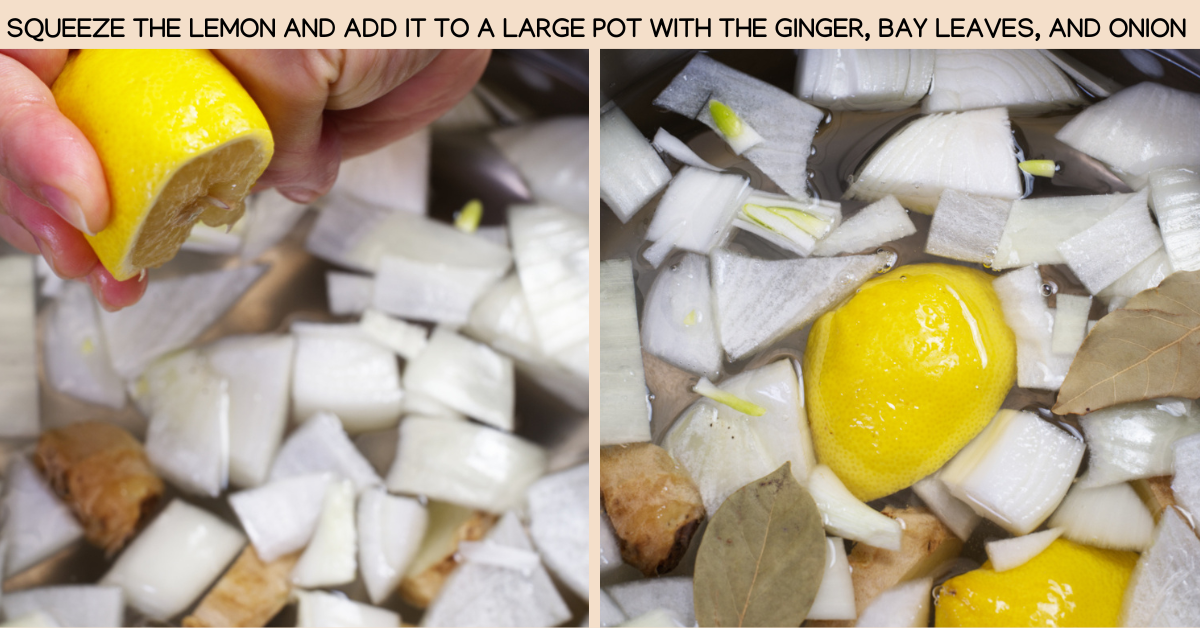
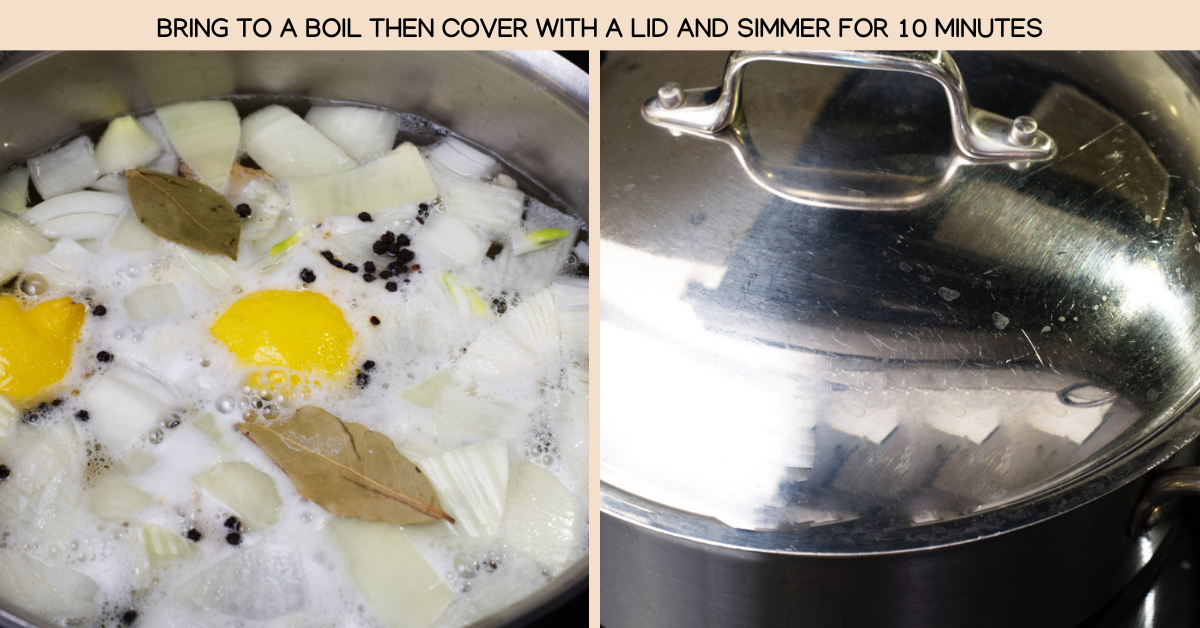
Letting the brine simmer for 10 minutes makes a perfectly seasoned poaching liquid. After the 10 minutes I remove the lemon so the bitter citrus flavor doesn’t become super pronounced.

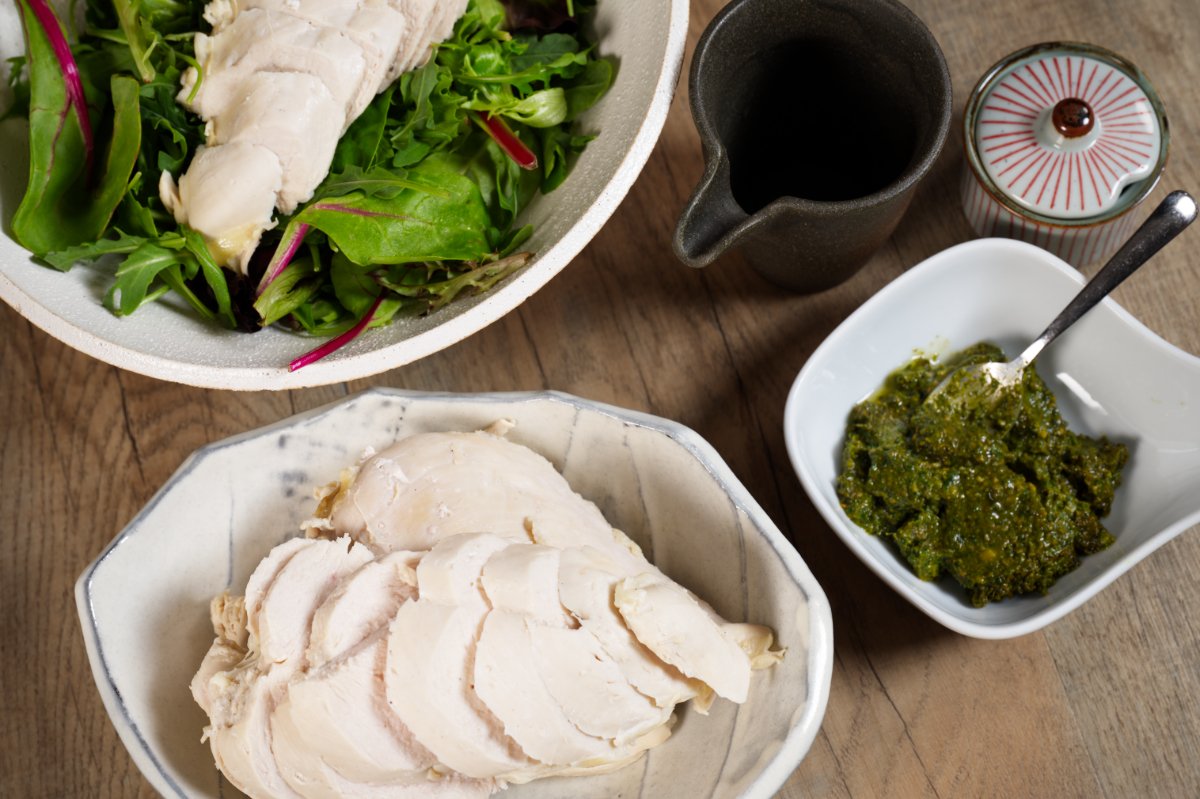
I cook the chicken for precisely 3 minutes, and then cover and remove from the heat. Then it continues to gently cook (off heat) for another 13-15 minutes until cooked through. You can test for doneness by either using a meat thermometer or just cutting into one.  Now you have perfectly poached chicken ready to be used in your favorite recipes. It will hold in the fridge for several days. It is traditionally served cold, but you can gently reheat in the microwave. I like to serve it with a dipping sauce, the scallion ginger sauce from my Hainanese Chicken is a superb pairing. If you like it spicy Prik Nam Pla is excellent too. You can use it to add protein to a simple salad dressed with Roasted Sesame Dressing. I’m excited to hear how you’ll use these Poached Chicken breasts, let me know in the comments! And don’t forget to tag us in your pics @funkyasiankitchen, we love hearing from you.


Print
clock clock iconcutlery cutlery iconflag flag iconfolder folder iconinstagram instagram iconpinterest pinterest iconfacebook facebook iconprint print iconsquares squares iconheart heart iconheart solid heart solid icon
recipe poached chicken

Poached Chicken

  • Author: Funky Asian Kitchen
  • Prep Time: 5 minutes
  • Cook Time: 30 minutes
  • Total Time: 35 minutes
  • Yield: serves 4
  • Category: entrees
  • Cuisine: pan-Asian

Ingredients

Scale
  • 8 cups of water
  • 2 bay leaves
  • 1 piece ginger (roughly the size of half a lemon, sliced
  • ½ large onion, roughly chopped
  • 6 garlic cloves, smashed 
  • ½ Tablespoon black peppercorns
  • 1 lemon, cut in half
  • 1 ½ Tablespoons sea salt
  • 2–3 chicken breasts, about 8 ounces each

Instructions

  1. Fill a medium deep large pan with the water, bay leaves, ginger, onion, garlic, salt and peppercorns. Your pot needs to be able to fit the chicken in one layer, so that the chicken will be completely submerged in the hot liquid.
  2. Juice the lemons into the water, and then add the lemons to the pot as well. Bring the contents of the pan to a boil over high heat. Cover the pan with a lid, lower the heat to medium, and simmer for 10 minutes. 
  3. With a fork, prick your chicken breasts liberally on both sides. This will help the brine and heat penetrate the meat.
  4. Remove the lemons, add the chicken breasts, turn the heat to medium and cook for 3 minutes. The liquid will not come to a simmer and that’s ok-trust the process. 
  5. Remove the pot from the heat, cover the pot with a lid, and let the chicken sit for about 13-15 minutes until the chicken reaches 160 degrees with a thermometer (you can also take one breast out and cut into it to check).
  6. Remove the chicken from the liquid and it’s ready for use.

Notes

*You can chill and store the chicken breasts in the fridge whole until ready to use. The chicken breasts are good for several days.

*These chicken breasts are lightly seasoned and can be served topped with sauce or mixed with a dressing. Increase the salt by ½ Tablespoon if you prefer more pronounced seasoning.

*For best results, use evenly sized breasts that are as close to 8 ounces each. If your chicken breasts are incredibly large, cut them in half crosswise first before poaching. 

*You can use the poaching liquid to cook more chicken breasts, although I recommend cooking only 2 at a time. Add a little more salt before repeating.  


Keywords: poached chicken, meal prep, poaching, healthy, chicken