Category: Bowls

Beef Sundubu-Jjigae

Beef Sundubu-Jjigae

Is it just me, or does this feel like the 17th week of February?  The February Doldrums are real, and if you suffer from them too you could use a vibrantly red, meaty, warming one pot dish to ward them off. This Beef Sundubu-Jjigae is read more
Taiwanese Turkey Rice

Taiwanese Turkey Rice

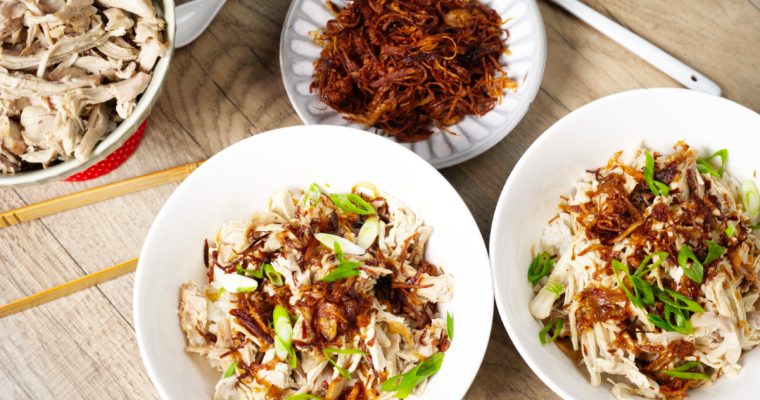
If you’ve ever been lucky enough to wander through a Taiwanese night market in Chiayi county, you would recognize the smell of hū jī ròu fàn—Taiwan’s beloved turkey rice—hitting you long before you see the stall. It’s humble, comforting, and wildly satisfying for something so read more

Matsutake Rice

Matsutake Rice

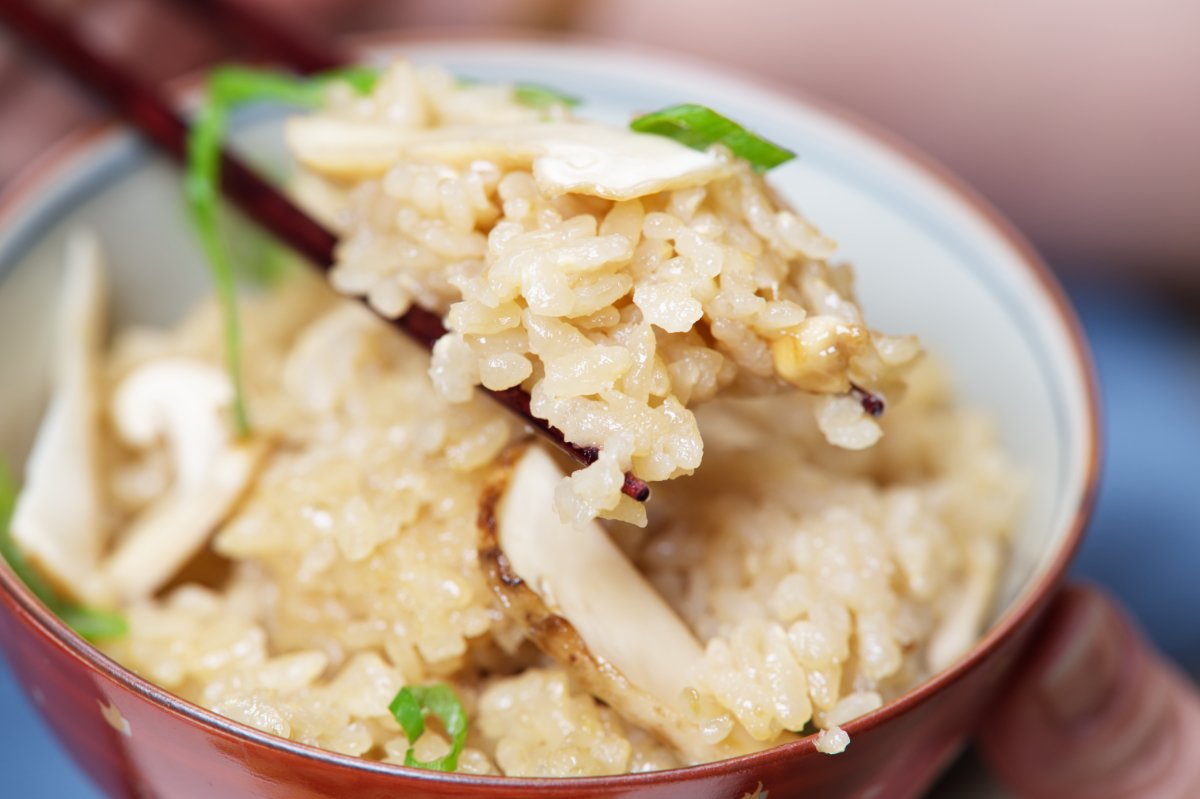
Matsutake mushrooms are one of Japan’s most treasured seasonal ingredients, prized for their heady (and slightly funky) aroma and delicate piney flavor. They’re only available for a short time in the fall, so when I spot them, I like to make the most of their fleeting season with simple preparations that highlight their flavor and fragrance. Matsutake Gohan, or matsutake rice, is one of the best ways to do that. It’s cozy and comforting, with every grain of rice infused with the earthy perfume of the mushrooms.  I believe the kids would call this dish “quiet luxury”; there’s nothing flashy about it, just high quality ingredients transformed into an unforgettable dish.

This dish couldn’t be easier to make — and I’m sharing two methods so you can choose whichever suits your kitchen. You can use a rice cooker for a completely hands-off version, or cook it on the stovetop for a more traditional approach like I do here. Either way, the key is to layer the ingredients carefully and place the matsutake on top of the rice, which keeps the texture perfect and the famed aroma intact.

Nowadays Matsutake mushrooms are readily available, although still very expensive. In the US, they typically grow in the Pacific Northwest in Oregon, Washington, and Northern California. They cannot be farmed and are truly a wild mushroom, which accounts for their relative scarcity and high cost. When I was a child, and Asian food products were not as common as they are now, we were very lucky because our restaurant connections allowed us to get Matsutakes mushrooms once a year. We would all salivate, waiting for my mom to make this rice. I distinctly remember one year, there was a tiny amount of grit in the rice. My mom was absolutely devastated. This rice is so stupid simple to make, yet glorious and indulgent. The only caveat is to pay extra care and attention when cleaning those mushrooms.

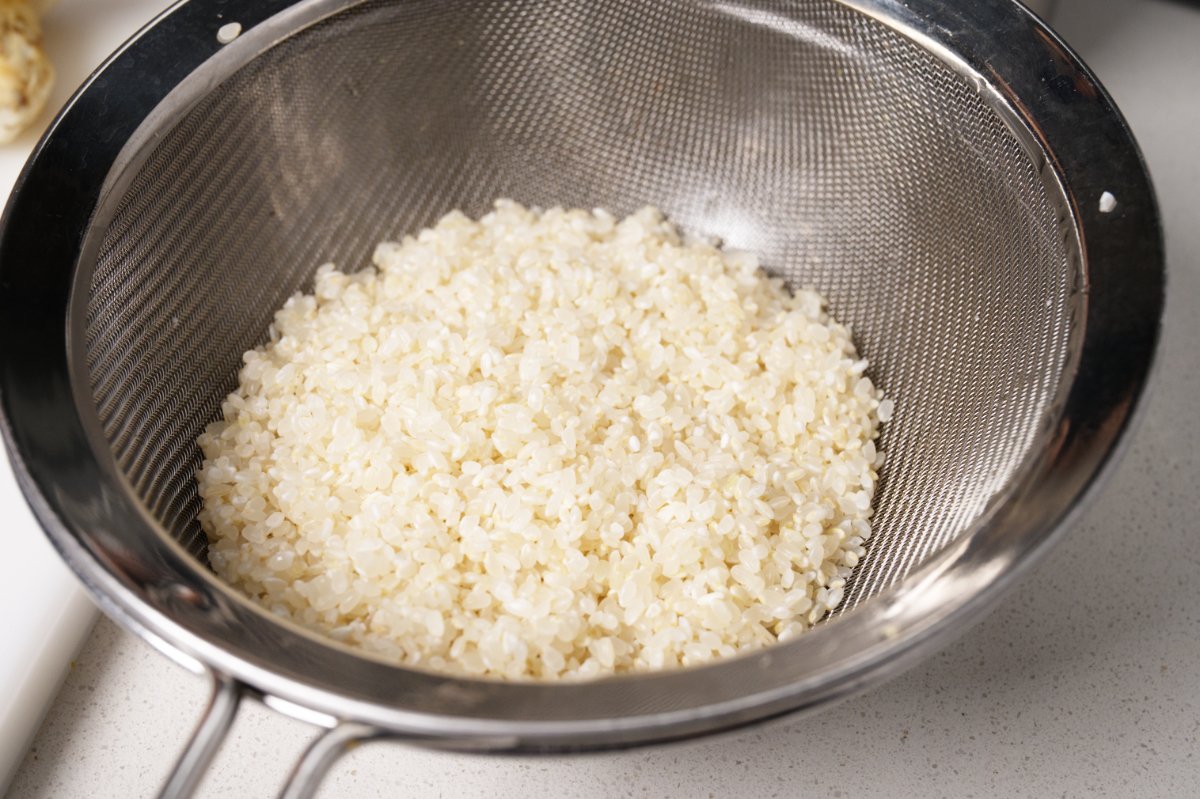
I start making Matsutake Rice by washing the rice. Rinsing off the starch helps create those perfect, fluffy grains of rice. (For a rice primer, click here!) I rinse under cold water until the water runs almost clear and then I let it drain:

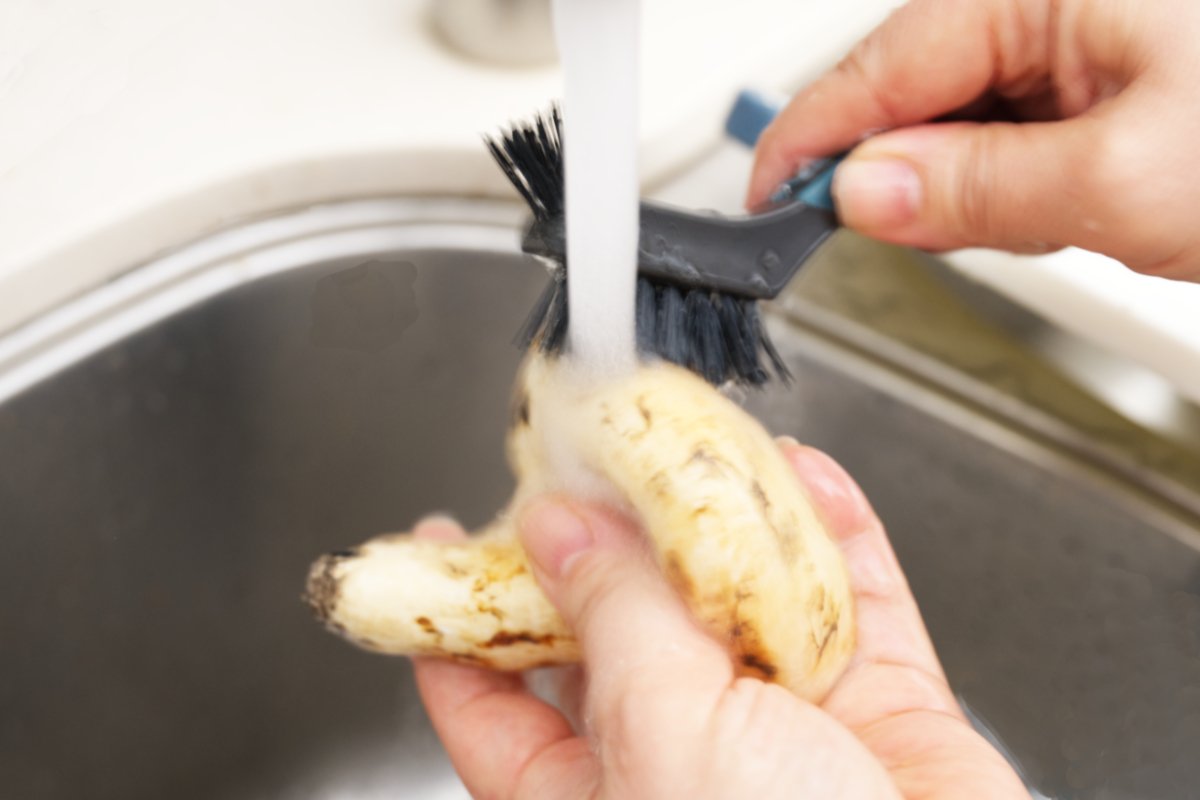
Next I thoroughly wash the mushrooms. I know it is frequently said that you shouldn’t wash mushrooms with water, but these guys can have a lot of sand on them, we don’t want any grit in our finished matsutake rice. (See my note on where to find these mushrooms.)

Scrub the mushrooms under running water:

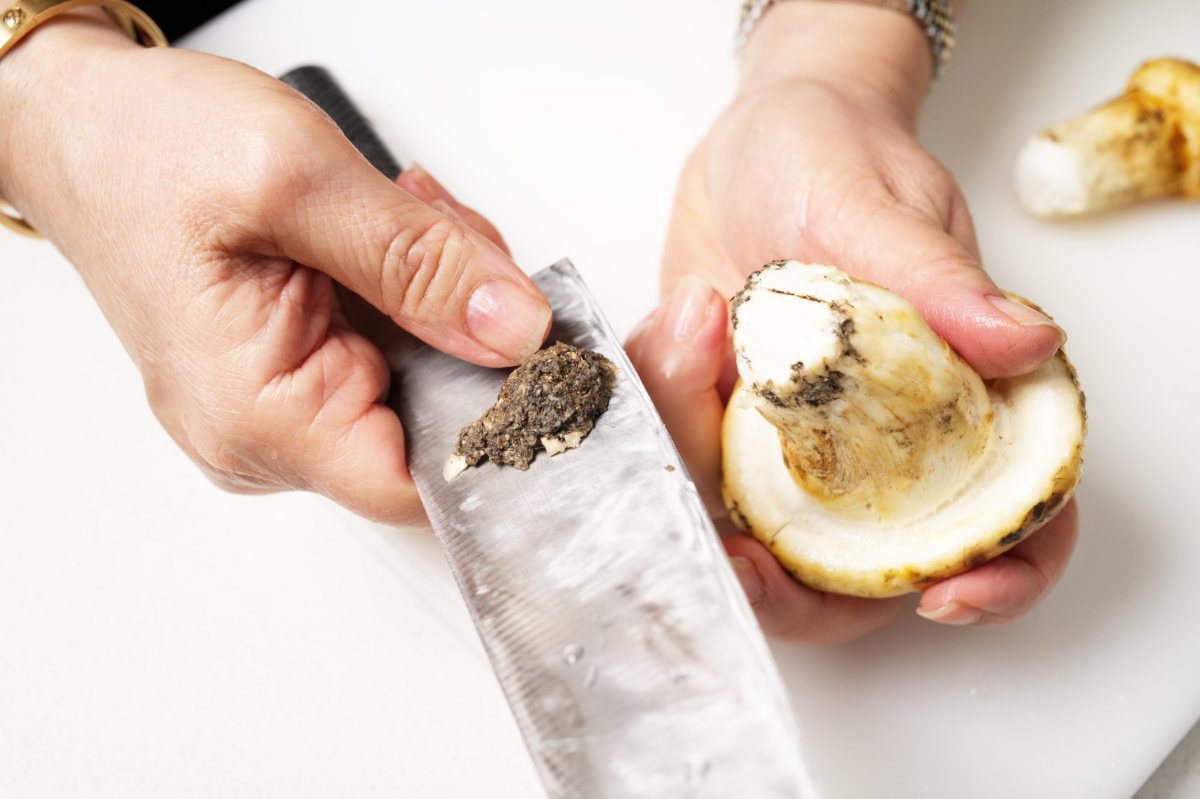
Remove the bottom of the mushrooms with a knife, they often have packed dirt clinging to them:

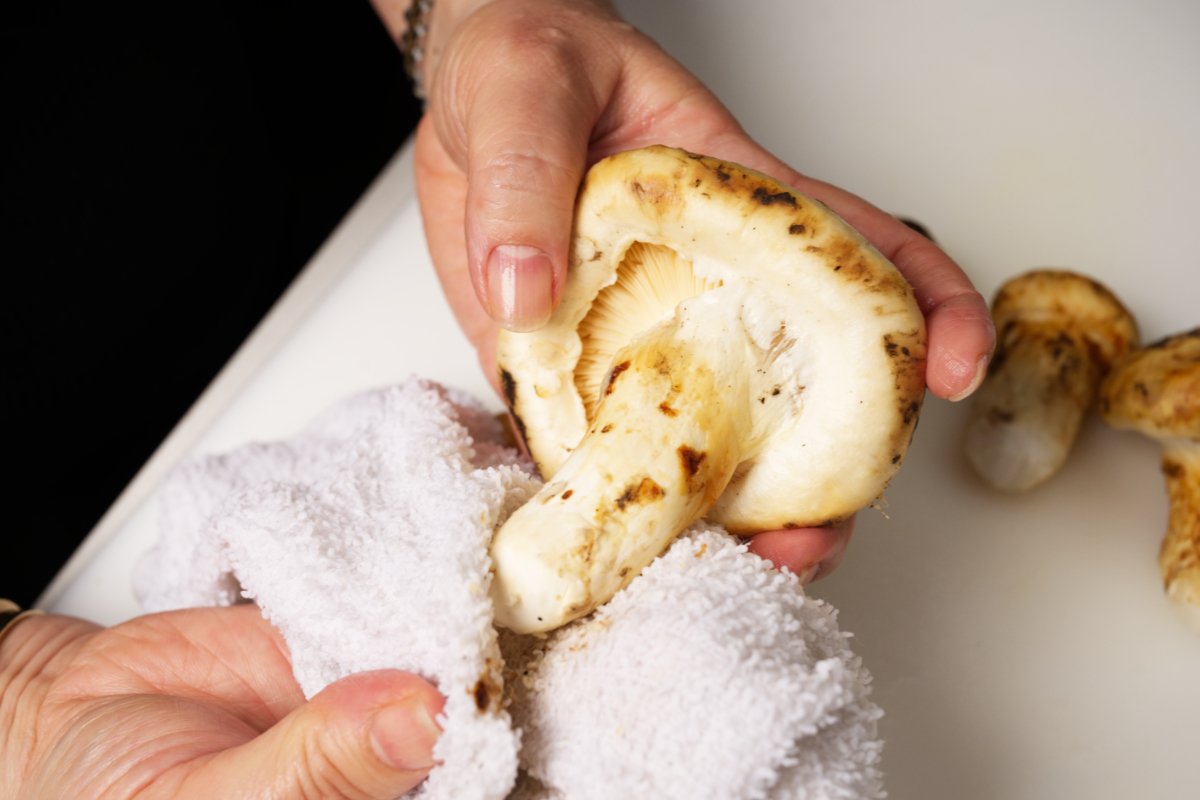
Wipe the mushrooms with a damp towel to make sure any remaining grit is scrubbed off:

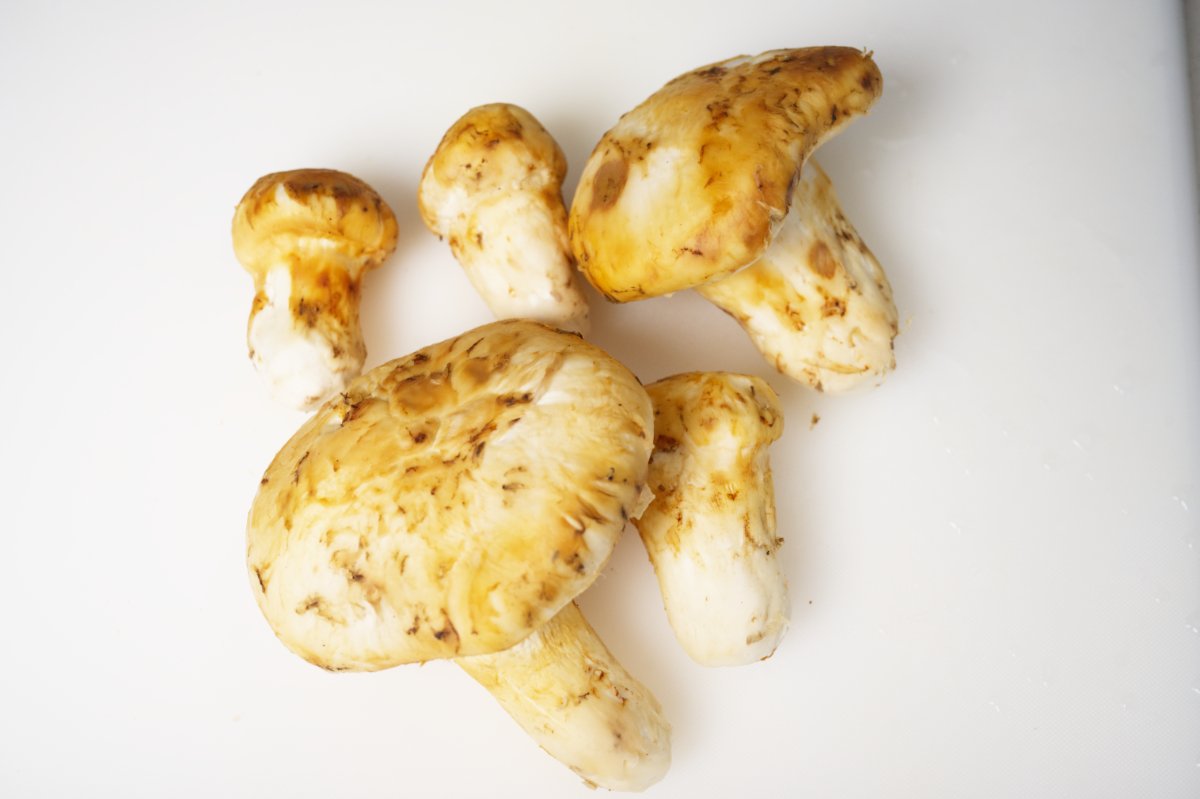
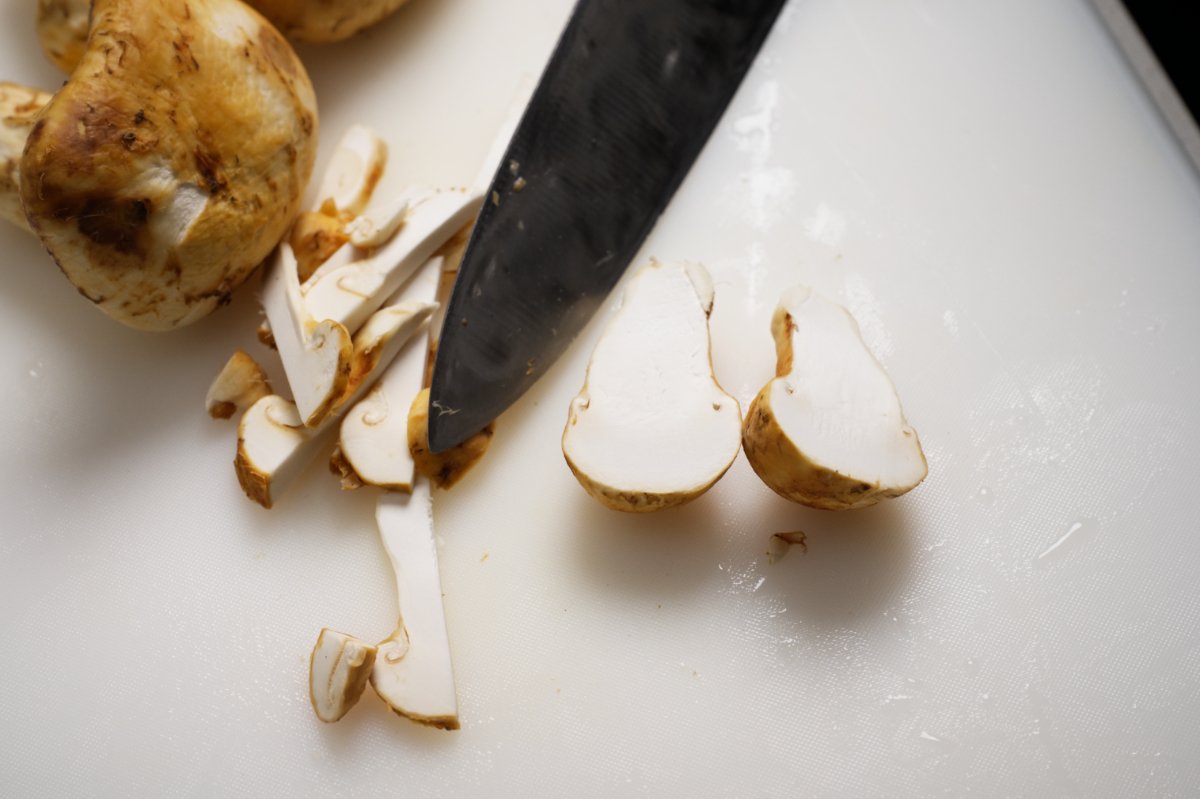
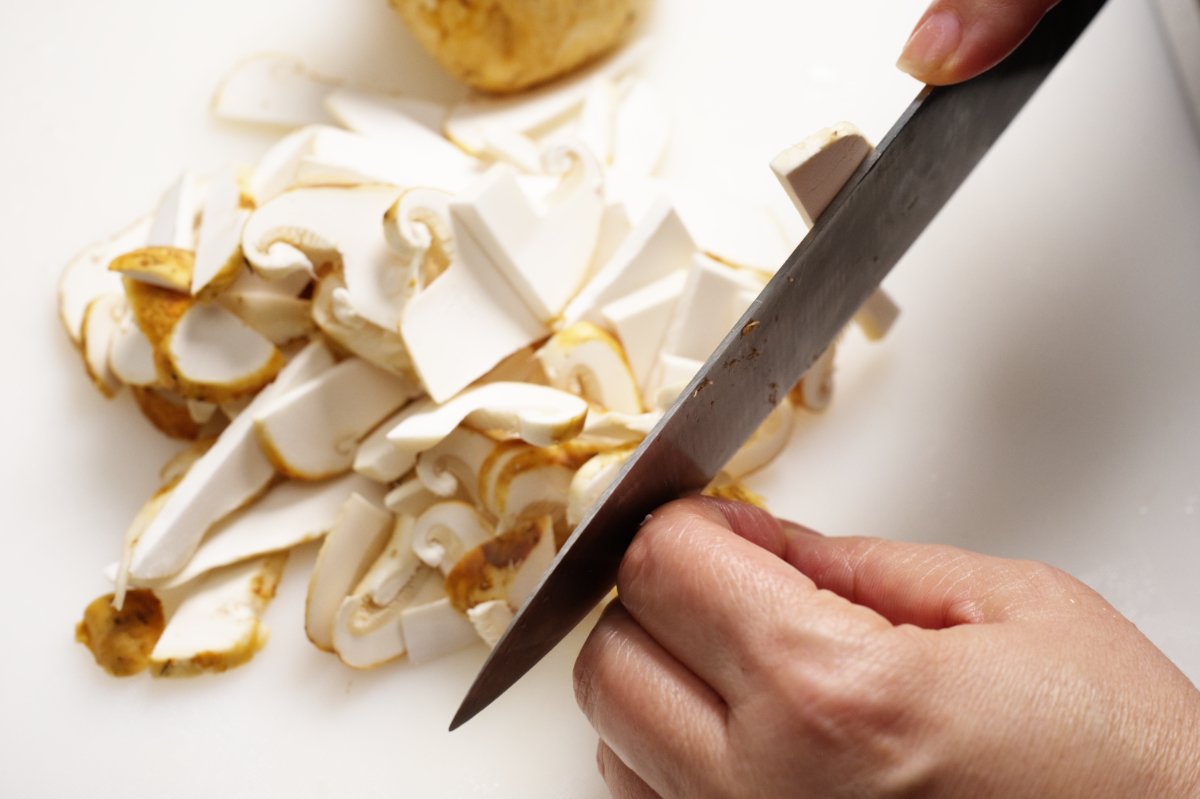
Once they are thoroughly cleaned I cut them into thin slices and start by cutting them in half:

Then cut into thin slices, trying to make them roughly the same size:

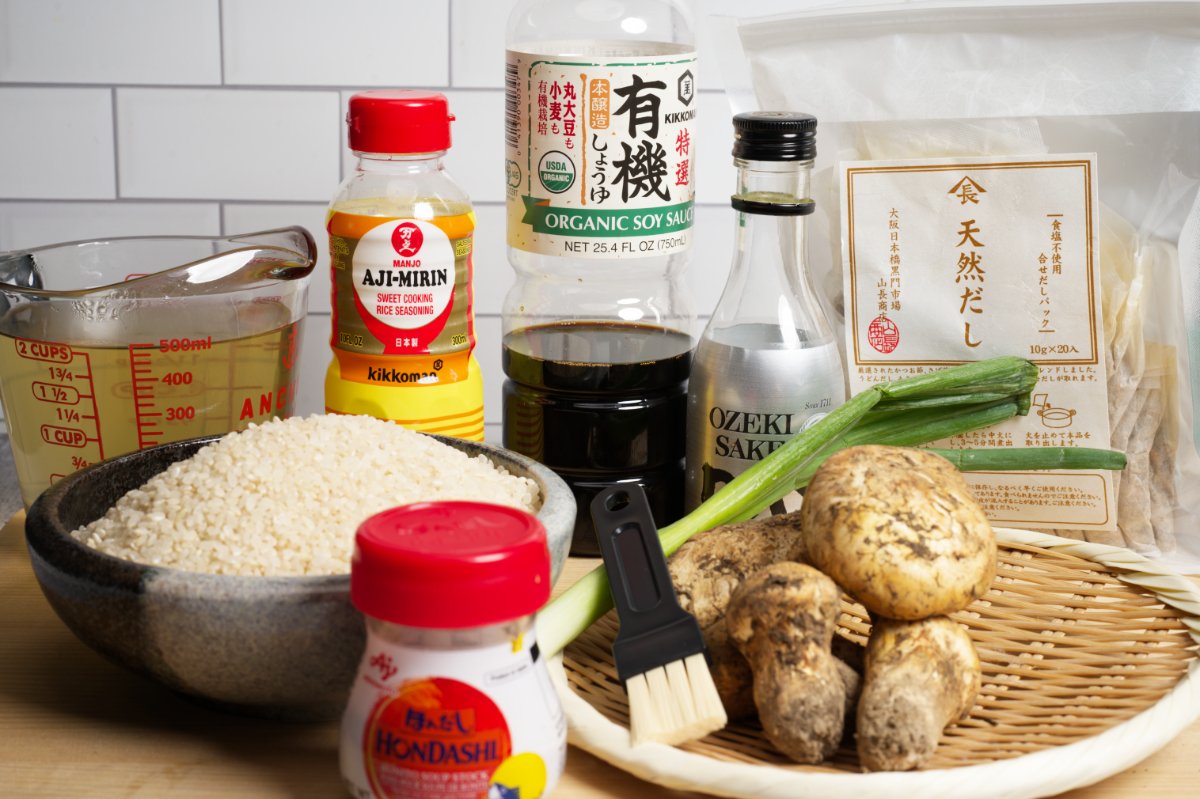
The broth you cook the rice in is just as important as the mushrooms themselves, since it infuses every grain with flavor and sets the foundation for this delicate dish. You can use any kind of Japanese dashi for this recipe, depending on what you have on hand. I like the classic combination of katsuobushi and kombu (called awase dashi), which adds a savory depth without overpowering the delicate matsutake. For a vegetarian option, try a shiitake and kombu stock instead. I have instructions for both here, don’t worry- making homemade dashi is a lot easier than you may think. And while of course it’s hard to beat homemade, a store bought dashi packet simmered with water for about 10 minutes or even a little instant dashi powder will work in a pinch.

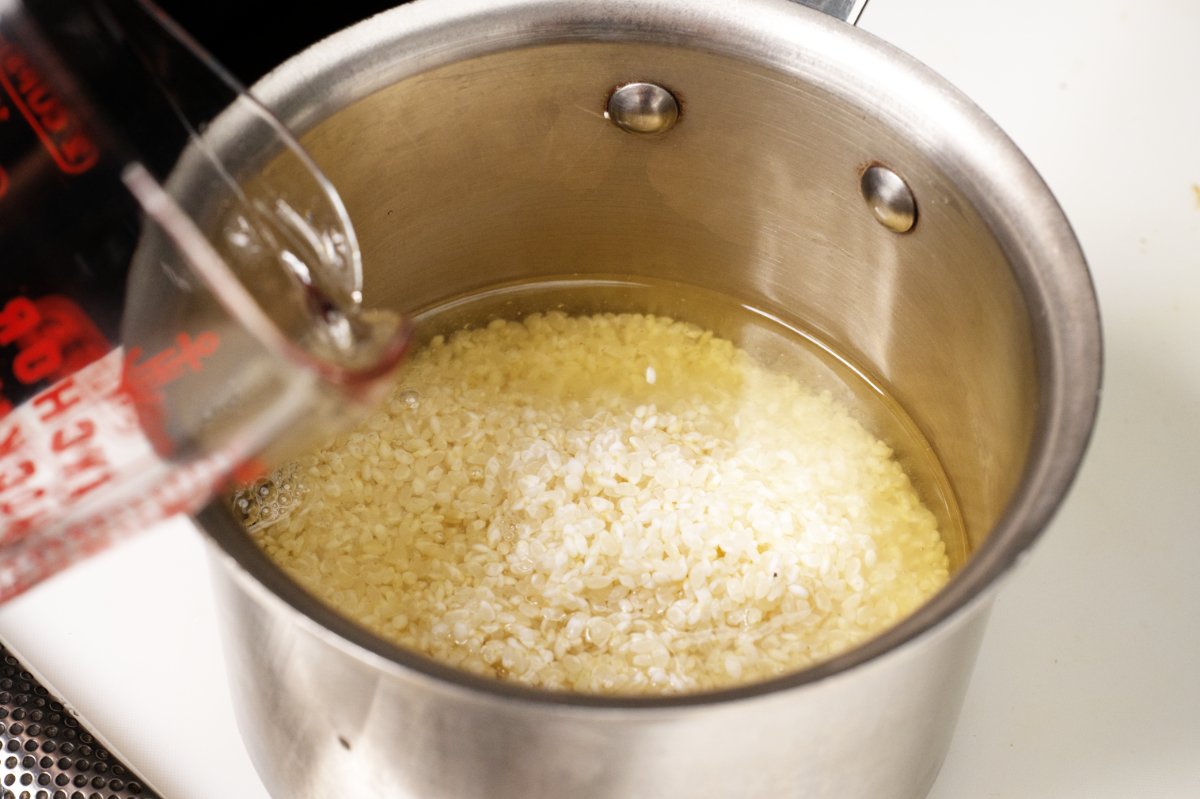
Add the drained rice to a small saucepan, 2 to 3 quarts, with a tightfitting lid and pour in the dashi:

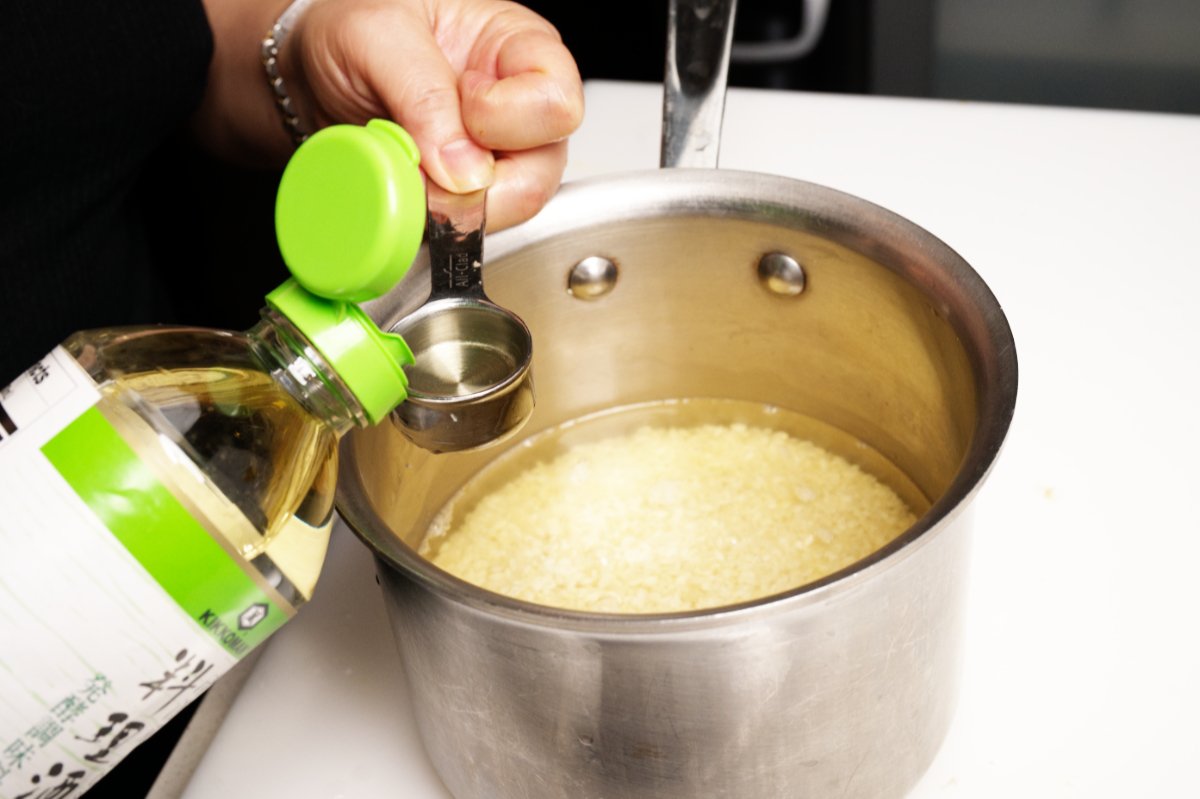
Add the mirin:

adding rice vinegar to matsutake rice


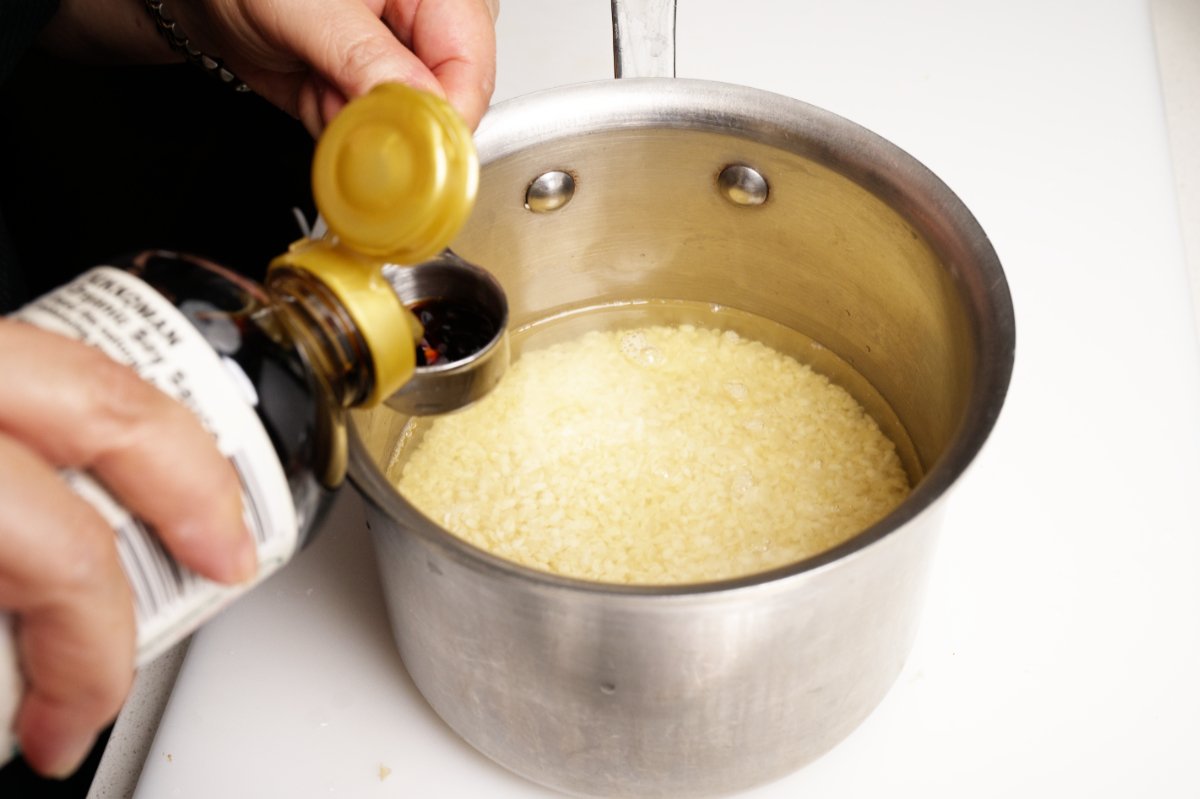
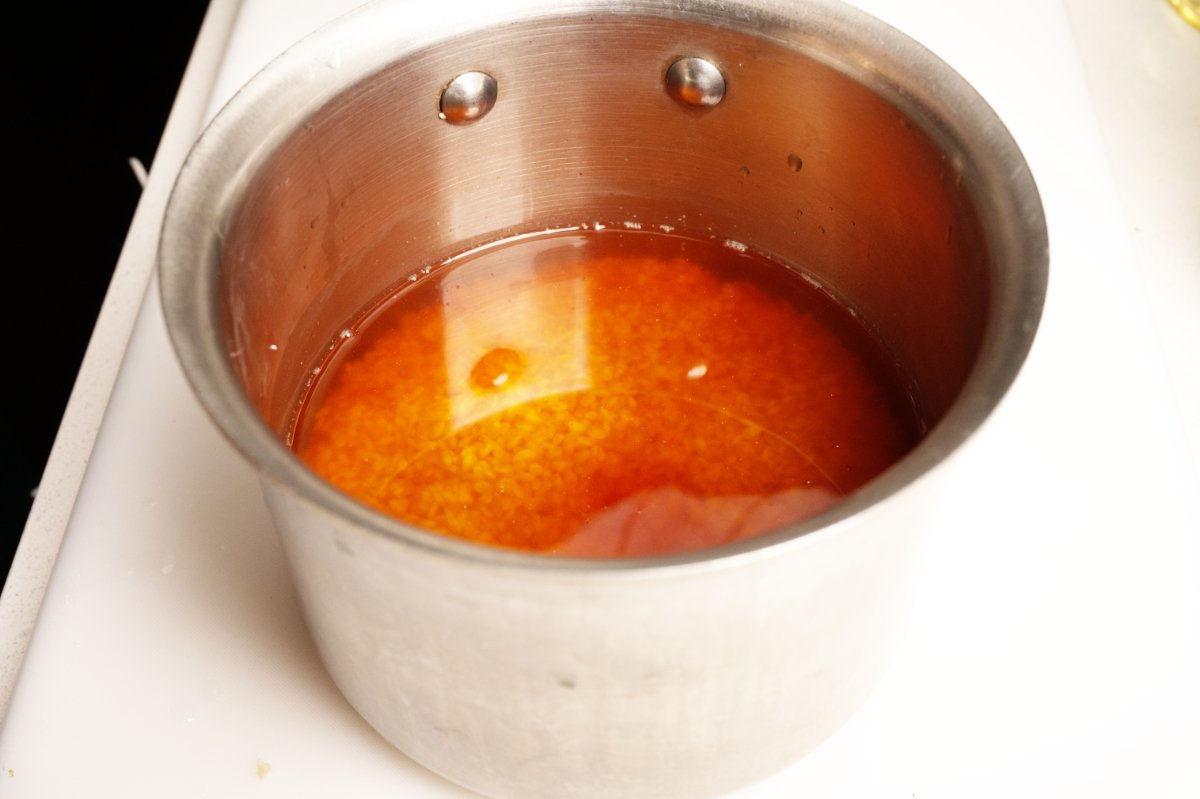
And the soy sauce:

adding mirin to matsutake rice

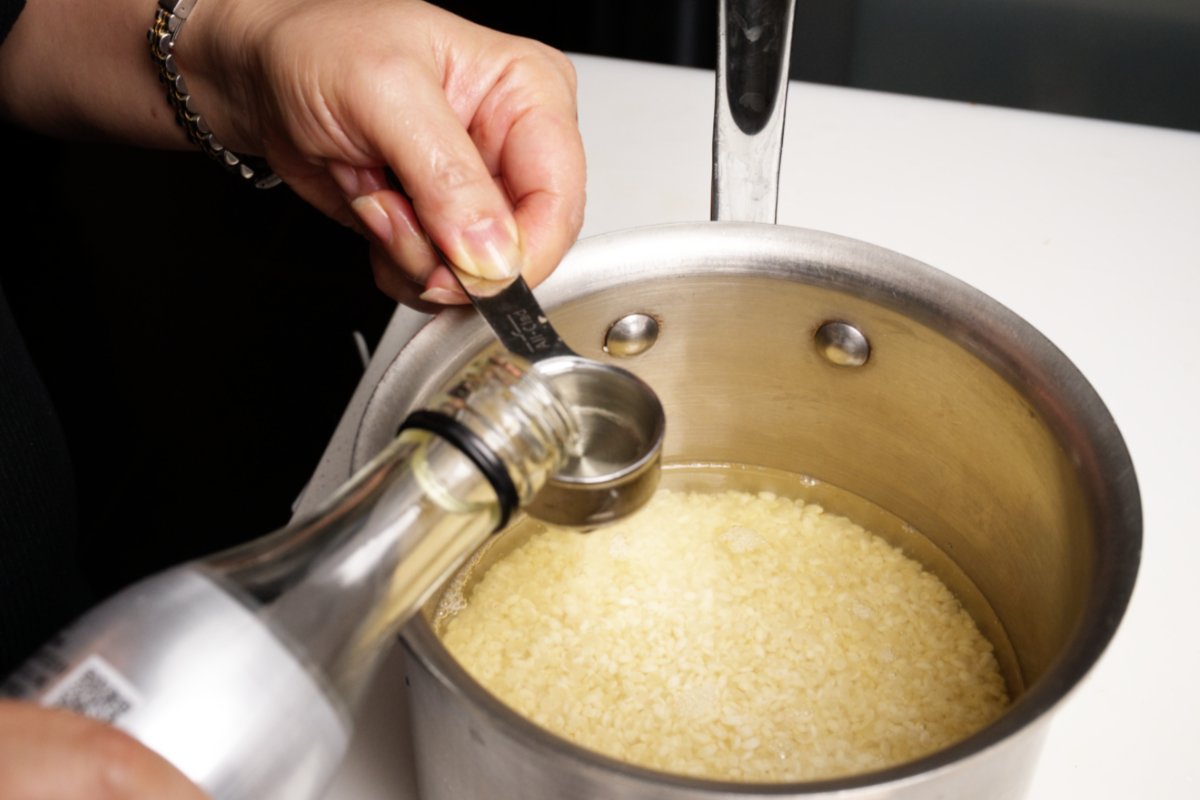
And finally the sake:

adding sake to matsutake rice

Gently stir to combine:

stir rice to combine

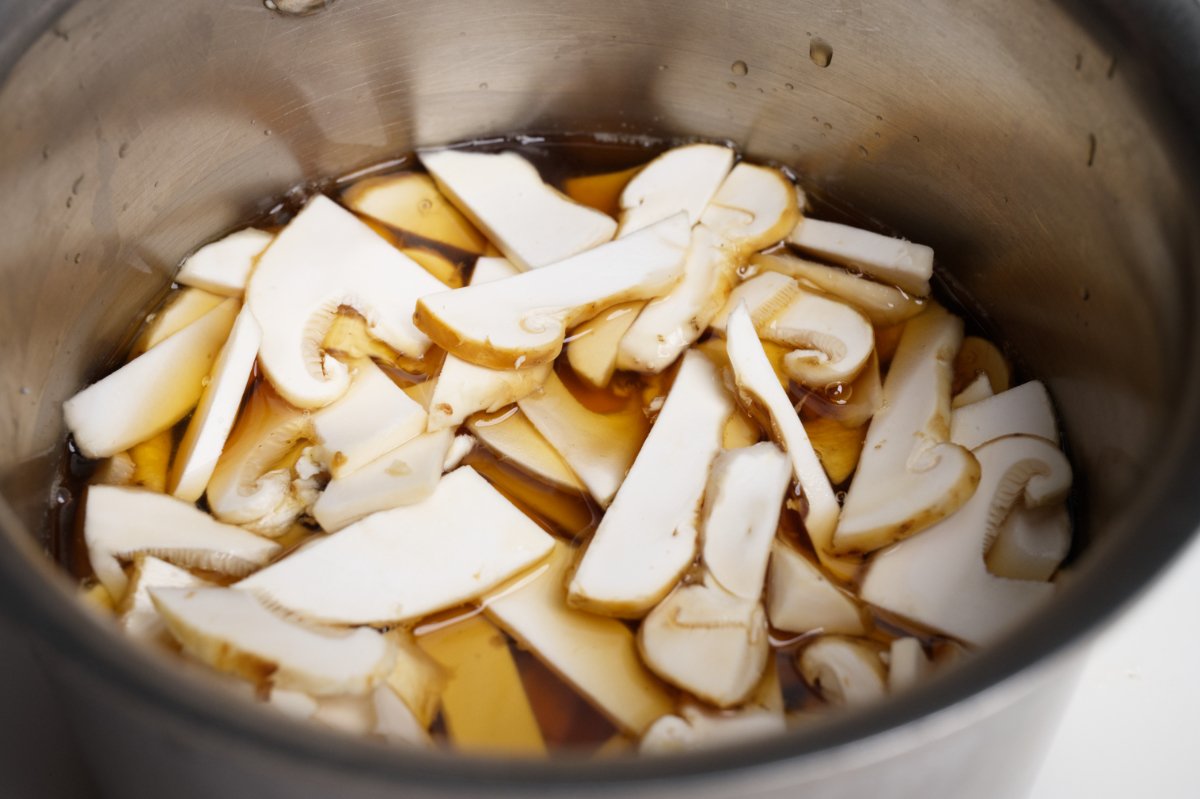
Place the matsutake on top:

adding mushrooms on top of rice

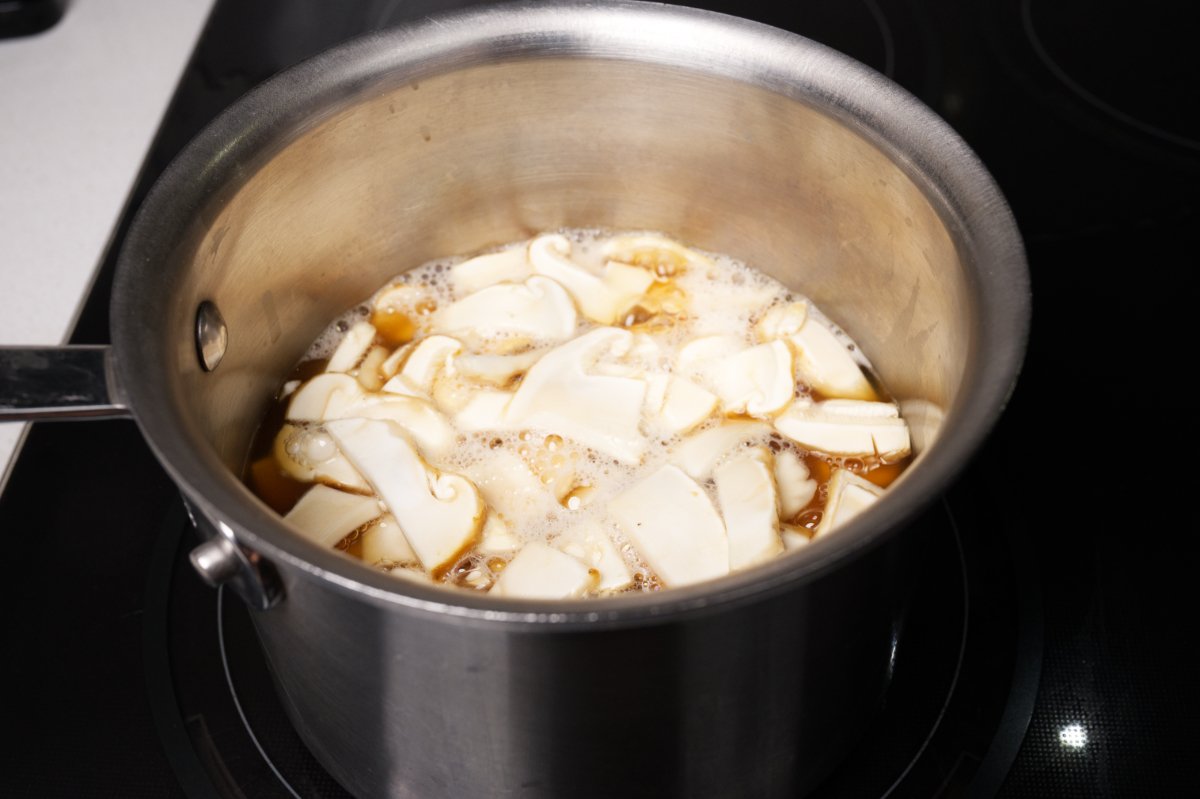
Letting the rice sit for 25 minutes will ensure the rice is fully hydrated and will yield the best consistency. After resting, bring the rice to simmer over medium heat:

letting the rice rest

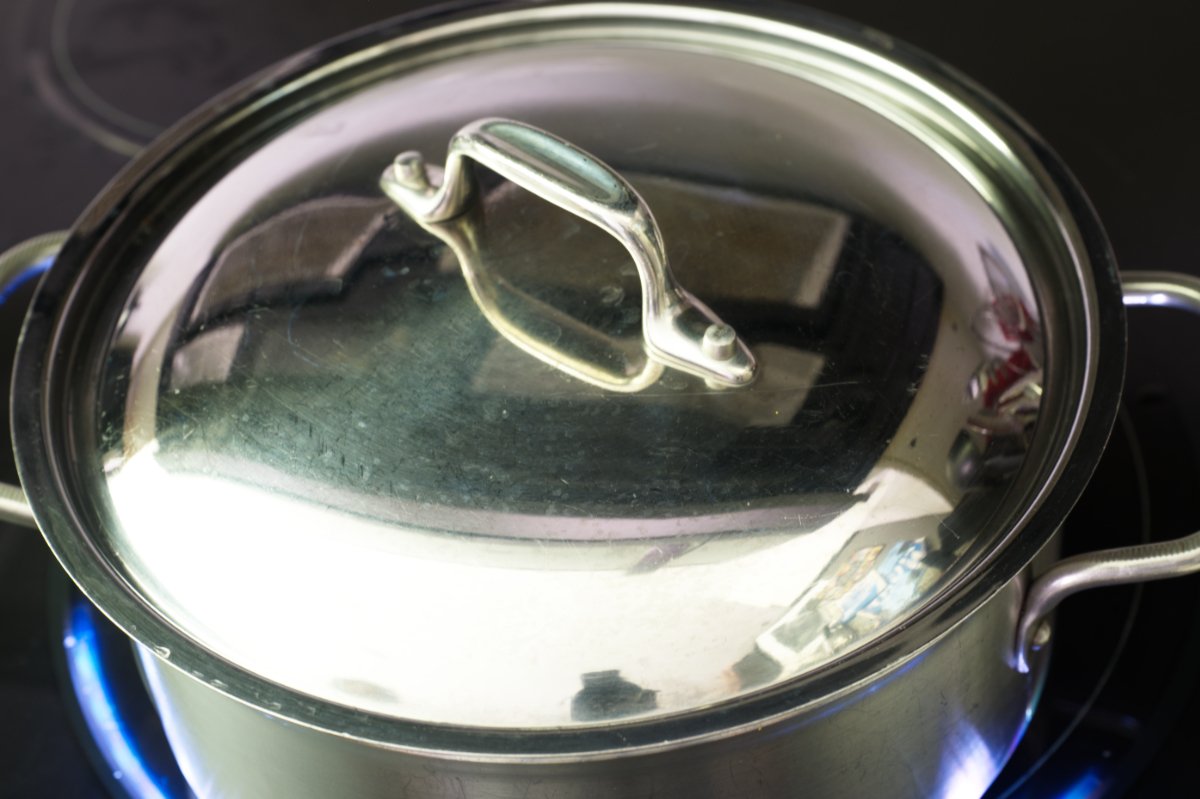
Cover the pan and lower the heat to medium low and cook for ten minutes. Then lower to the lowest setting and cook for an additional 10 minutes:

cover rice with lid

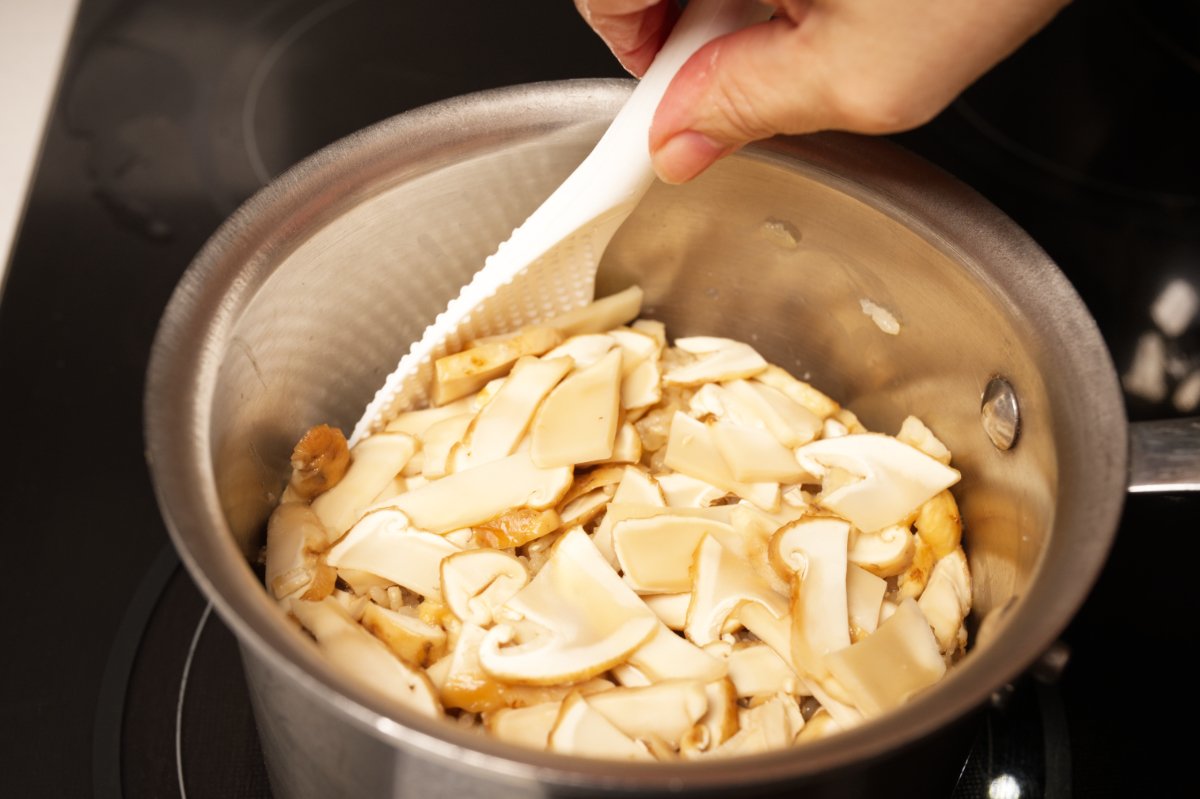
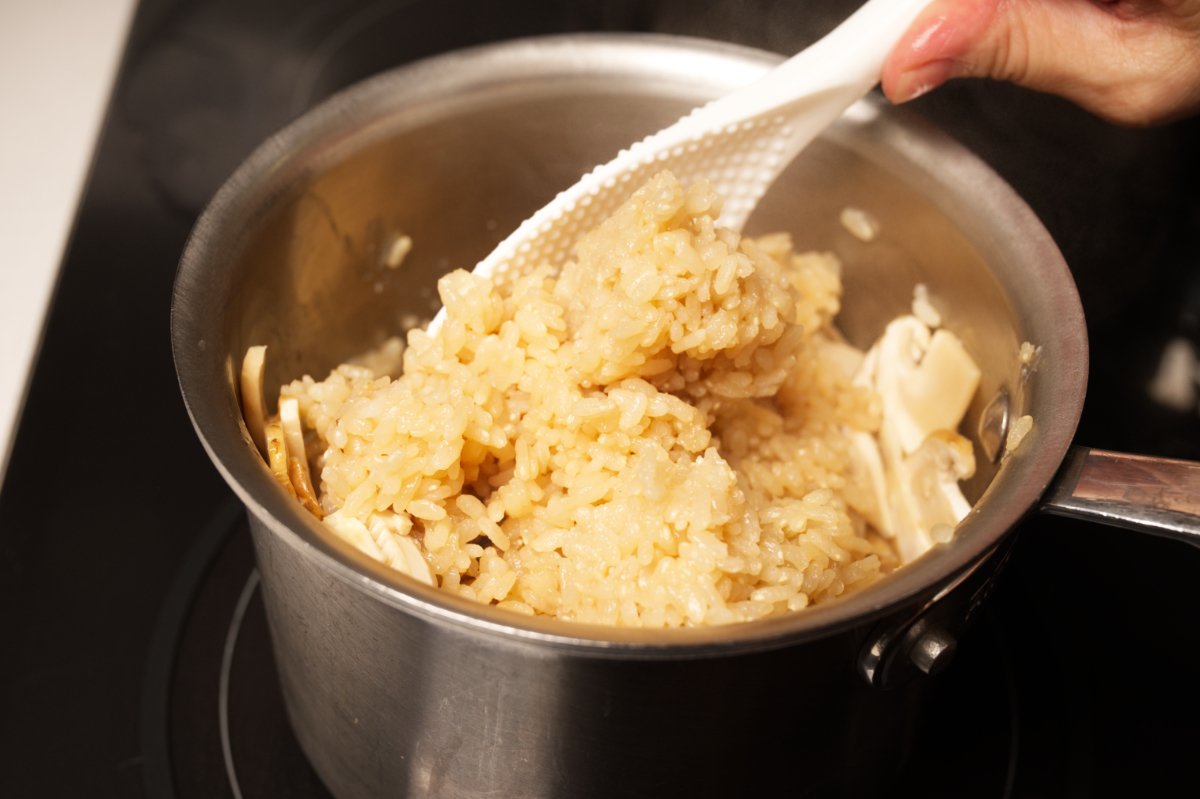
Turn the heat off and let the rice sit for another 5 minutes before removing the lid and gently stirring the mushrooms into the rice:

Distribute the mushrooms through the rice:

stirring mushrooms into rice

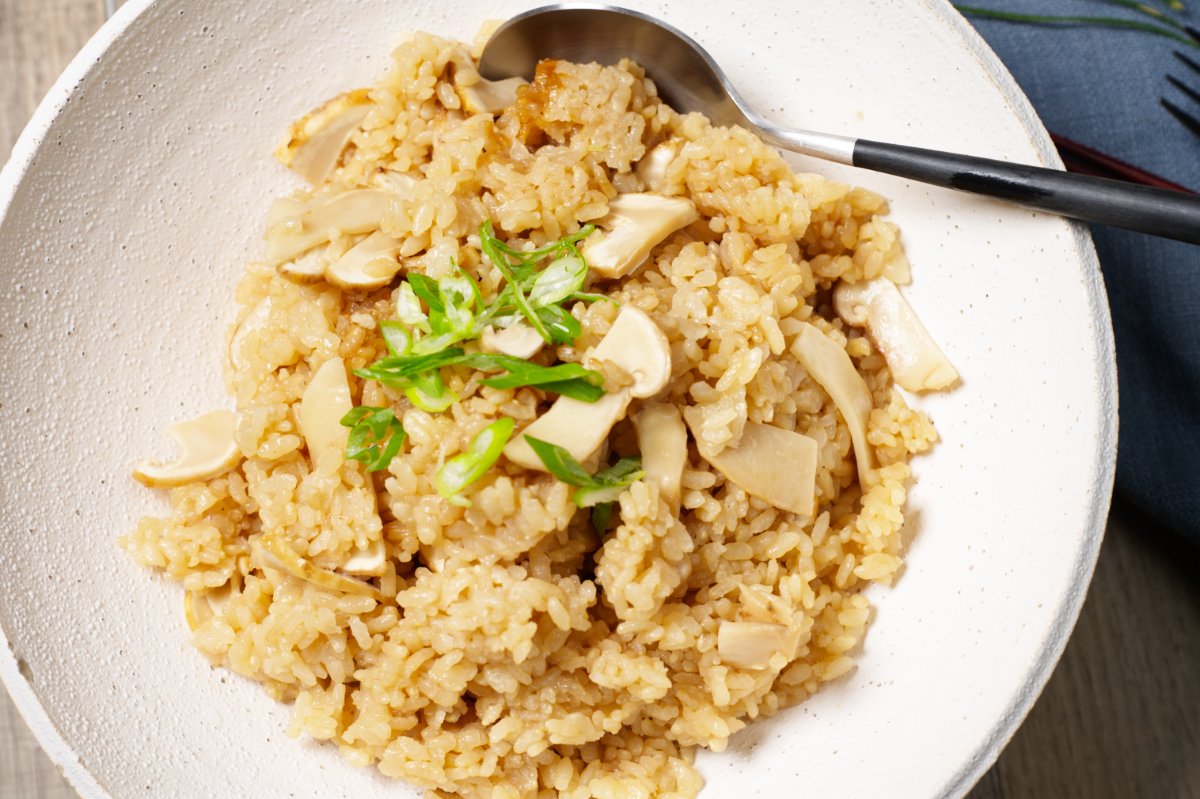
Now you’re ready to enjoy your quietly luxurious meal, garnished with a sprinkle of scallion:


I can’t wait for you to see how deeply flavorful and comforting Matsutake Rice is, make some and let me know what you think. And tag us in those photos @funkyasiankitchen, we love hearing from you!


Love rice dishes as much as we do? Check out this Lemongrass Tofu Rice Salad or my popular Tarako Fried Rice.


Print
clock clock iconcutlery cutlery iconflag flag iconfolder folder iconinstagram instagram iconpinterest pinterest iconfacebook facebook iconprint print iconsquares squares iconheart heart iconheart solid heart solid icon

Matsutake Rice

  • Author: Funky Asian Kitchen
  • Prep Time: 15 minutes (plus 30 minutes soaking time)
  • Cook Time: 25 minutes
  • Total Time: 40 minutes
  • Yield: serves 2-3 1x
  • Category: entrees
  • Cuisine: japanese

Ingredients

Scale
  • 1 ½ cups raw Japanese short-grain white rice (or 2 rice cooker cups if using rice cooker (305 g, 10.75 oz)
  • 6 oz matsutake mushrooms
  • 1 ½ cups dashi (Japanese soup stock) 
  • 2 Tbsp soy sauce
  • 1 Tbsp mirin
  • 1 Tbsp sake
  • Salt to taste

Garnish:

1 minced scallion


Instructions

Prepare the Rice Rinse white rice under running water until the water is almost clear and drain the rice well. 

Wash the mushrooms I know everyone says don’t wash mushrooms, but for matsutakes I do. They are very sandy. Just dry them off well. Trim off the bottom of the stems which are usually covered in hard packed dirt. (I peel around the bottom of the stem with a sharp knife). Again, thoroughly wipe the mushroom with a damp towel or paper towel. You do not want to eat rice with any grit.

Slice small mushrooms in half lengthwise and then into thin slices. For larger mushrooms, cut off the caps and then cut the mushrooms in half or thirds before slicing, keeping the mushrooms around the same size.

Making the rice with a pot Choose a smallish heavy pot with a tight fitting lid, around 2-3 quarts. Put the well-drained rice, dashi, soy sauce, mirin, and sake into the pot. Gently stir to combine. Add the matsutake mushroom on top of the rice (do not mix the mushrooms into the rice which will cause the rice to cook unevenly) and let the rice sit for 15-30 minutes to ensure the rice is fully hydrated and will yield the best consistency.

Turn the heat to medium and let the rice come to a simmer. As soon as it simmers, cover the pot with a lid, turn the heat to medium low, and cook for 10 minutes. Lower  the heat to the lowest setting and cook for an additional 10 minutes. Turn the heat off and let the rice sit for an additional 5 minutes before mixing it gently so the mushrooms are evenly distributed. Taste the rice and season with a little salt if needed. Portion into rice bowls and garnish with a little scallion if desired.


Making the rice with a rice cooker Put the well-drained rice, soy sauce, mirin, and sake into the cooking pot. Gently stir to combine. Add the dashi to the 2-cup water line of the inner pot; depending on how well the rice is drained, how much moisture the rice contains, you may need to add a little more or less dashi (you can use water if you don’t have any more dashi). Add the matsutake mushroom on top of the rice (do not mix the mushrooms into the rice which will cause the rice to cook unevenly). Newer rice cookers include 10 minutes of soaking time before cooking; however, to make sure rice is fully hydrated and to get the best consistency, I recommend soaking the rice for 15–30 minutes before cooking. Then push the start button.

Once the rice is done cooking, let the rice sit for an additional 5 minutes before mixing it gently. Taste the rice and season with a little salt if needed. Portion into rice bowls and garnish with a little scallion if desired.


Notes

*You can use any kind of Japanese dashi for this recipe. I like the bonito flakes/kombu (awase) dashi and use it here. But you are welcome to use shiitake/kombu stock for vegetarians, a dashi packet simmered for 10 minutes with 2 cups of water, or simply 1 teaspoon dashi powder mixed with 1 ½ cups of water.

*Matsutake is considered a seasonal luxury item and can be difficult to source. I bought mine through sayweee.com. Some larger Japanese grocery stores may carry them during the fall season as well. Feel free to use other wild mushrooms, keeping the amount the same. 


Keywords: rice, mushrooms, matsutake, Japanese, fall, dashi,

Tarako Fried Rice

Tarako Fried Rice

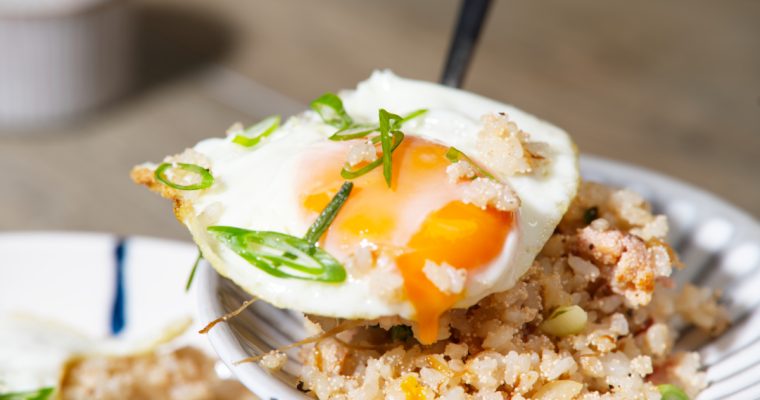
If you’ve got some leftover rice in the fridge and a pack of tarako in the freezer, you’re already halfway to dinner. This Tarako Fried Rice is one of those easy, comforting meals that delivers big flavor with minimal effort. The salted cod roe melts read more
Caramelized Beef Fried Rice

Caramelized Beef Fried Rice

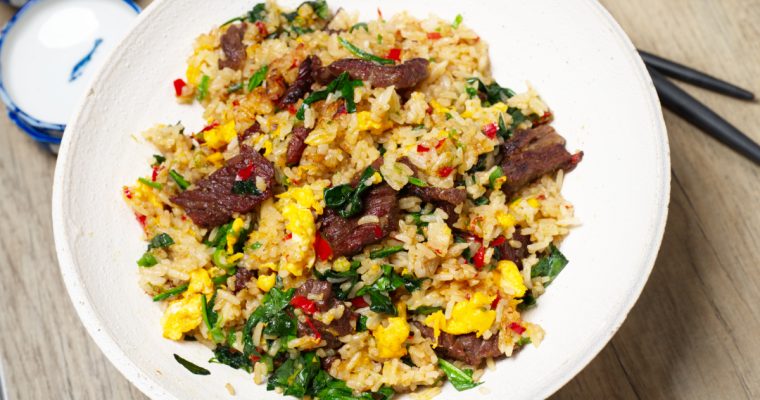
There’s something undeniably satisfying about a great plate of fried rice. It’s quick, flavorful, and the perfect way to use up leftover rice. But this Caramelized Beef Fried Rice takes things to the next level with tender, velveted beef and a deep, savory flavor from read more
Lemongrass Shrimp Noodle Soup

Lemongrass Shrimp Noodle Soup

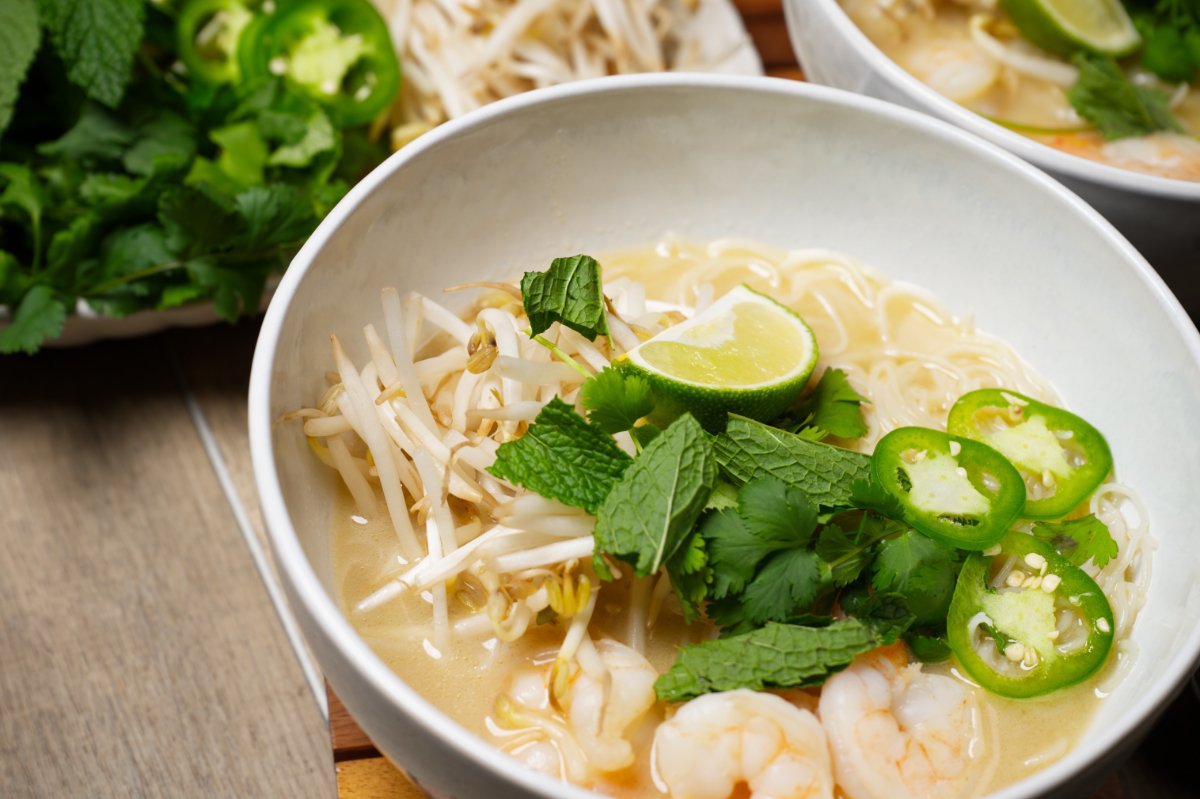
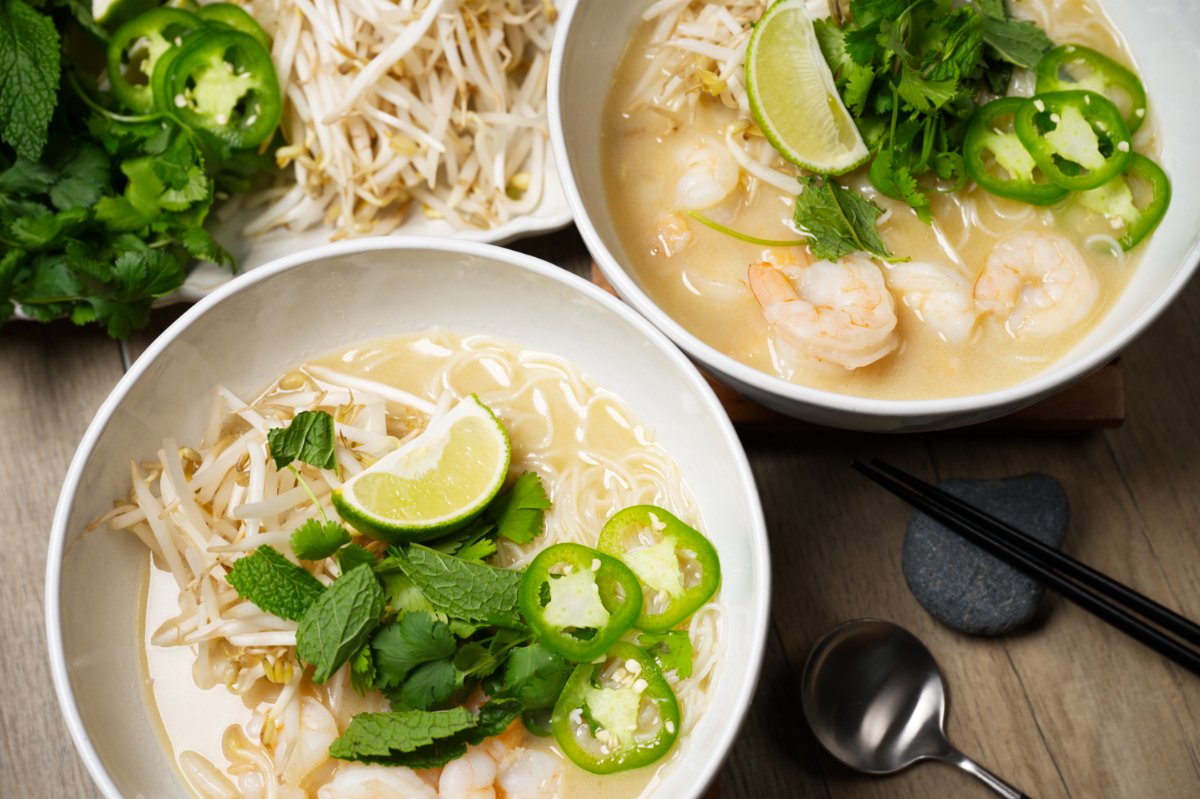
There’s something magical about a steaming bowl of noodle soup on a chilly day—comforting, aromatic, and brimming with flavor. This Lemongrass Shrimp Noodle Soup is no exception. It draws inspiration from both Vietnamese and Thai cuisines, blending the bright, citrusy notes of lemongrass with the creamy richness of coconut milk. The broth is infused with ginger, garlic, and a hint of spice, creating a broth that’s equal parts soothing and invigorating. Tender, plump shrimp and silky rice noodles make it a satisfying meal, while fresh garnishes like crunchy bean sprouts, fragrant herbs, and a squeeze of lime take it to the next level. Whether you’re looking to chase away the chill or just craving a light yet satisfying meal, this soup is the perfect bowl of comfort so let’s get into it!

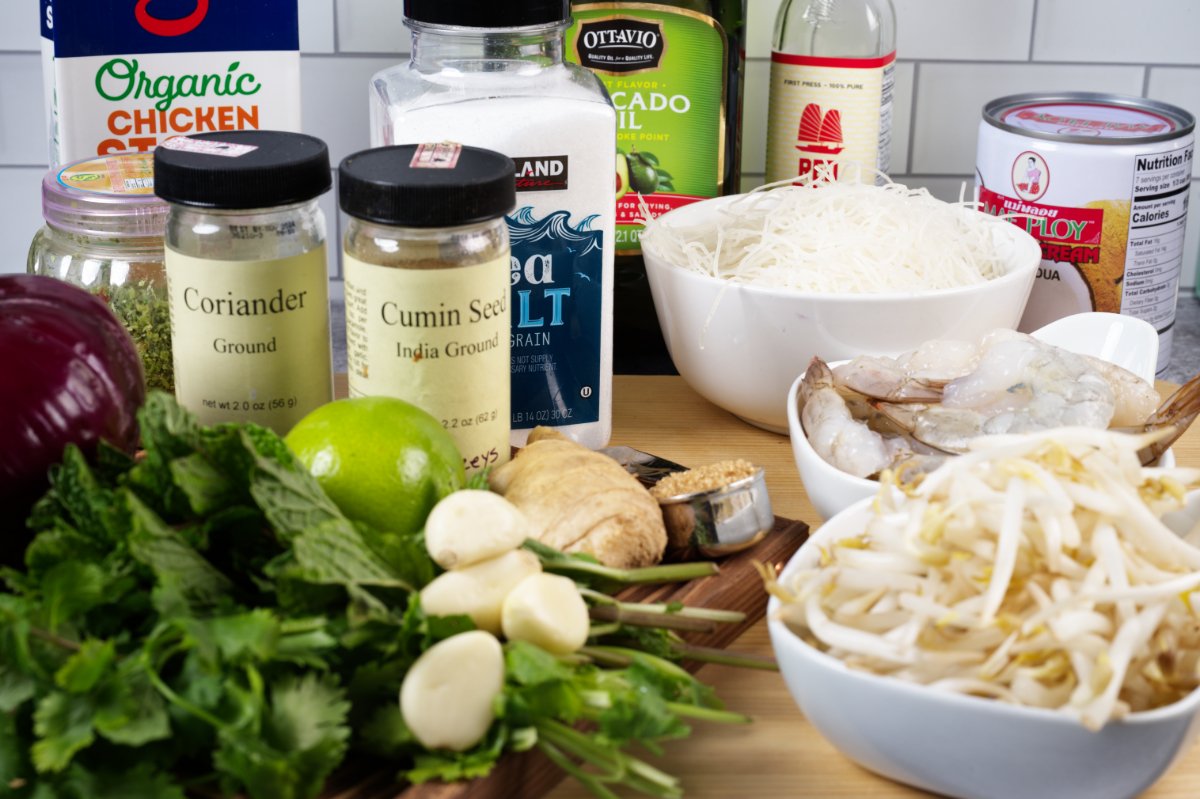
a picture of lemongrass shrimp noodle soup ingredients

My Lemongrass Shrimp Noodle Soup is having a bit of an identity crisis. Is she a pho? The fresh herb garnishes and rice noodles certainly seem to think so. But then her creamy coconut milk brings it squarely back into Thai soup territory. No worries, she manages to balance both identities beautifully!

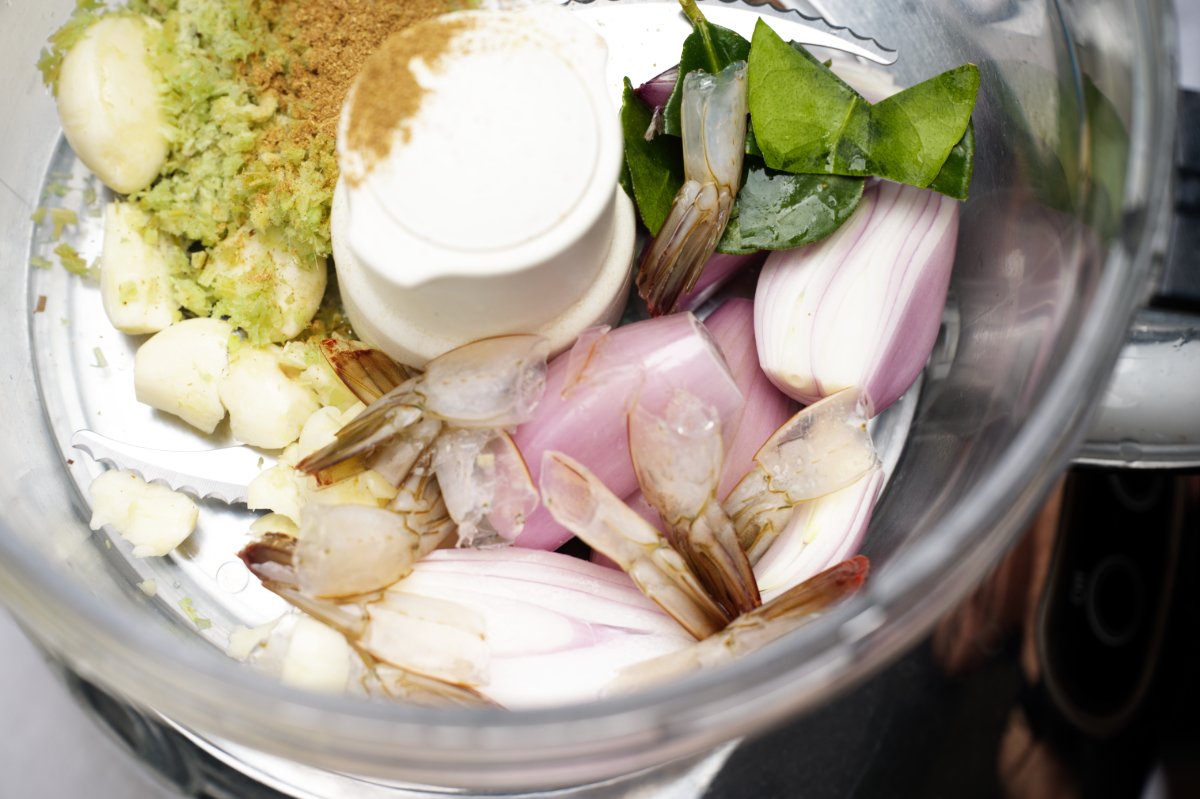
One of the secrets to this soup’s incredible depth of flavor lies in the aromatic paste. By grinding up the shrimp shells with onion, ginger, garlic, kaffir lime leaves and lemongrass, you extract every bit of that rich, briny essence. The shells might seem like an unlikely ingredient, but trust me—they’re packed with flavor. Shrimp pastes are used in lots of Southeast Asian dishes, like in this Gado Gado. When sautéed, the paste transforms into a fragrant base that infuses the broth with savory, aromatic goodness. It’s a little extra effort that pays off big time in the final dish! The broth will get strained so you won’t actually be eating the shrimp shells, they will just add loads of umami to the finished dish. Pro-tip: I like to save shrimp shells in a sealed baggie in the freezer. This way they are always available if I need a quick seafood stock.

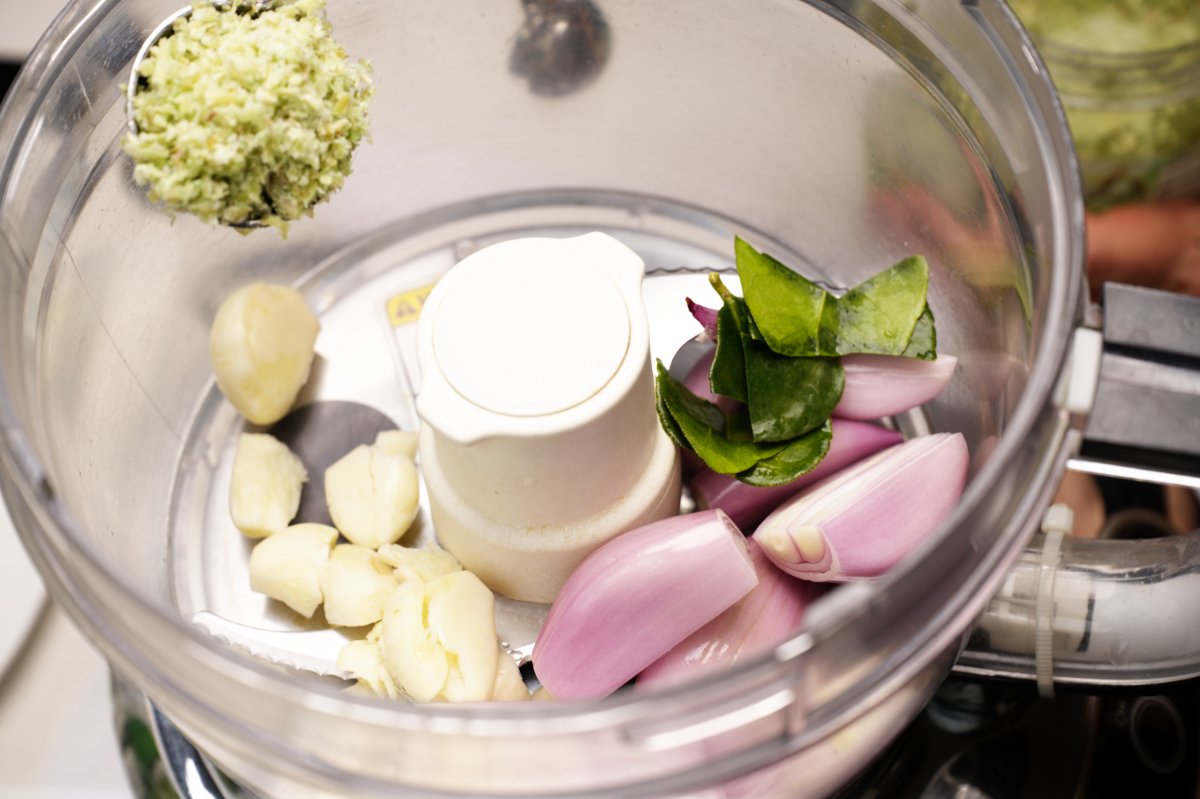
You can finely chop all the aromatic ingredients by hand, or you can do what I do and use your blender or food processor to chop them into a paste.

making a paste for Lemongrass shrimp noodle soup

paste pics lemongrass shrimp noodle soup

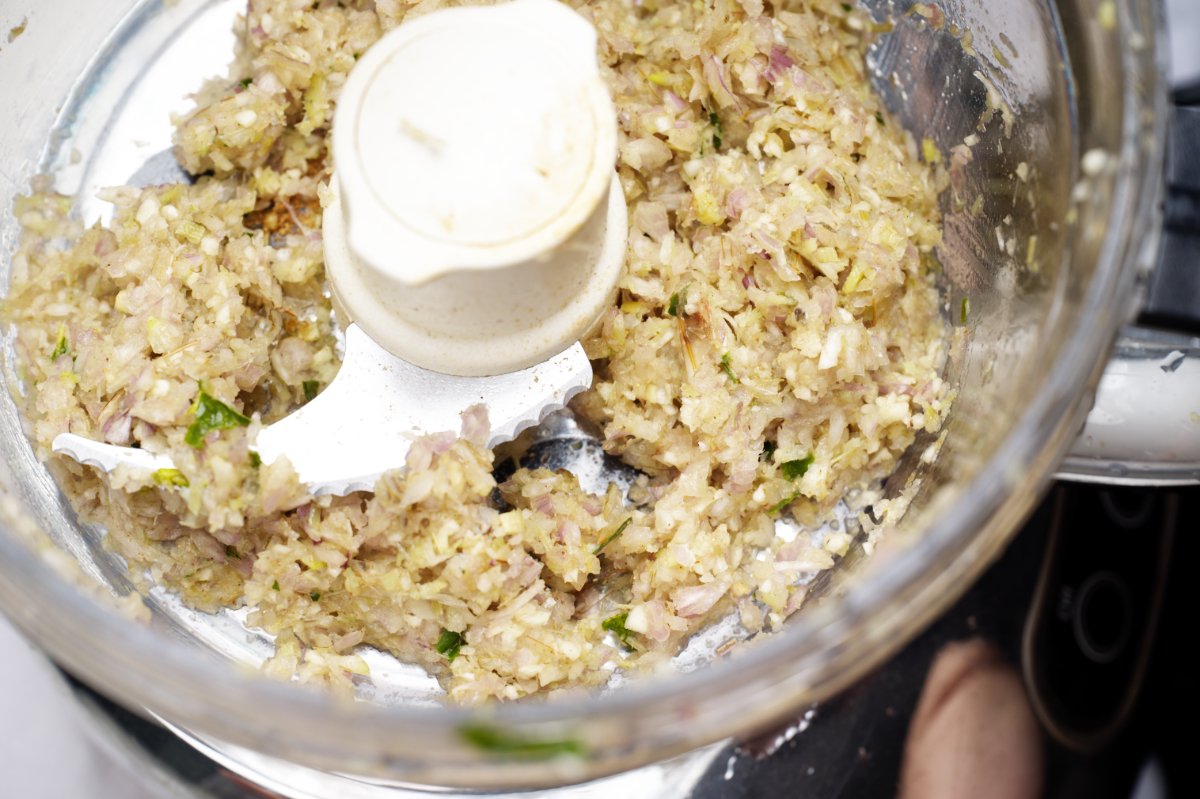
You will need to stop and scrape down the sides of the bowl a couple times while chopping, as the ingredients are light and they tend to fly around. When it’s done you’ll have a deeply fragrant paste that looks like this:

photo of aromatic lemongrass paste in processor

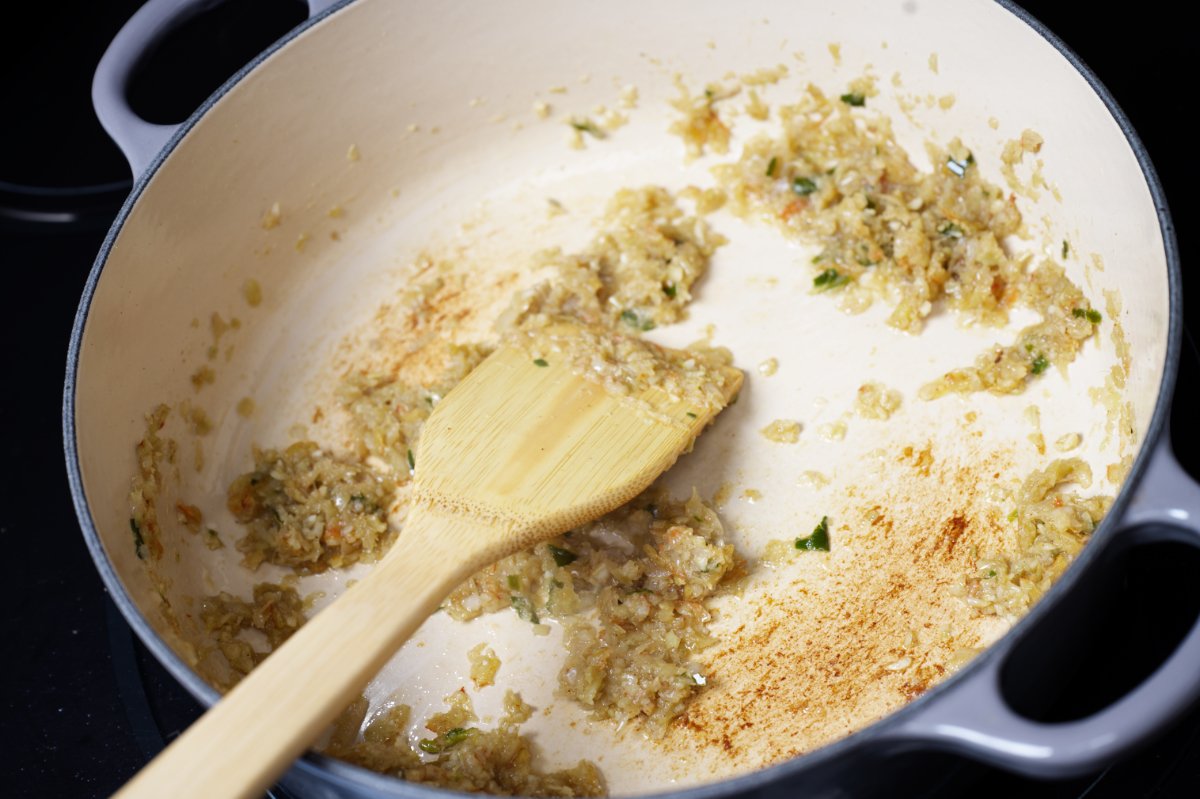
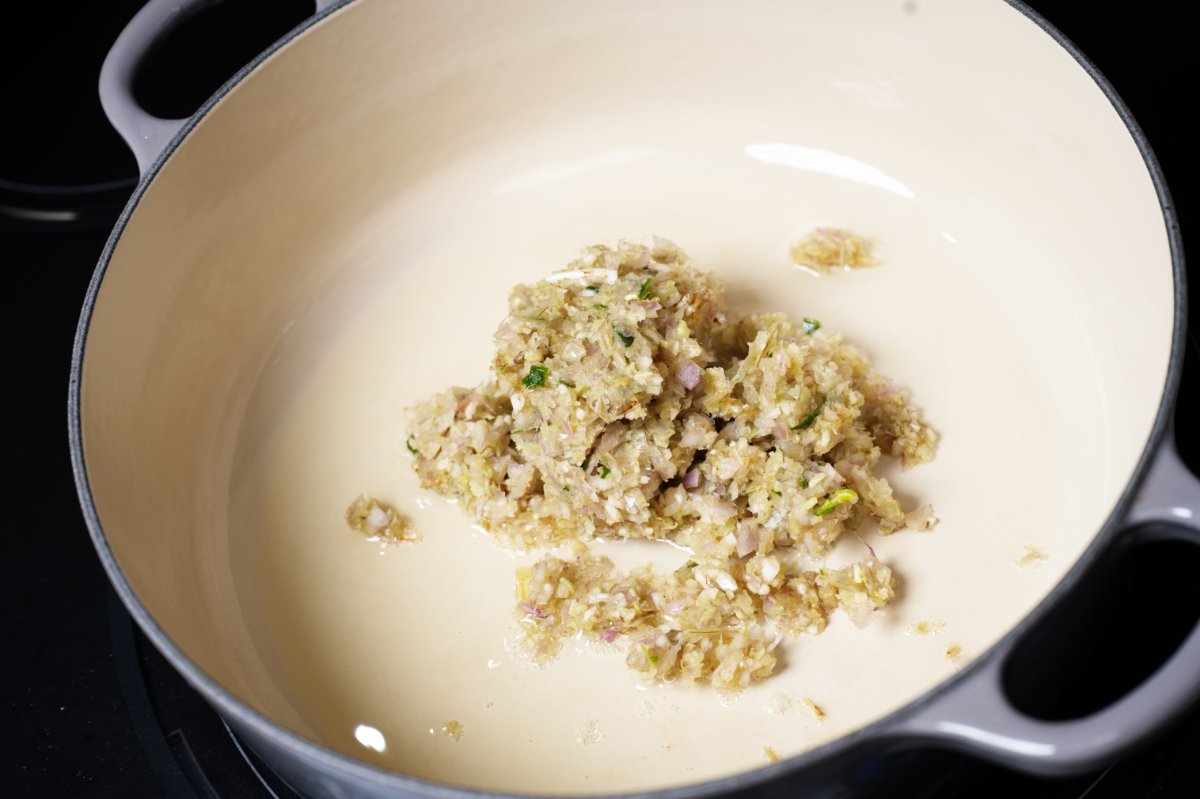
Once my flavor bomb paste is ready, I heat a heavy pot and then add a neutral oil (I like avocado!) and add the paste to the pot. This gets sautéed until it softens and gets super fragrant and darkens in color.

photo of cooking lemongrass shrimp paste

still cooking paste

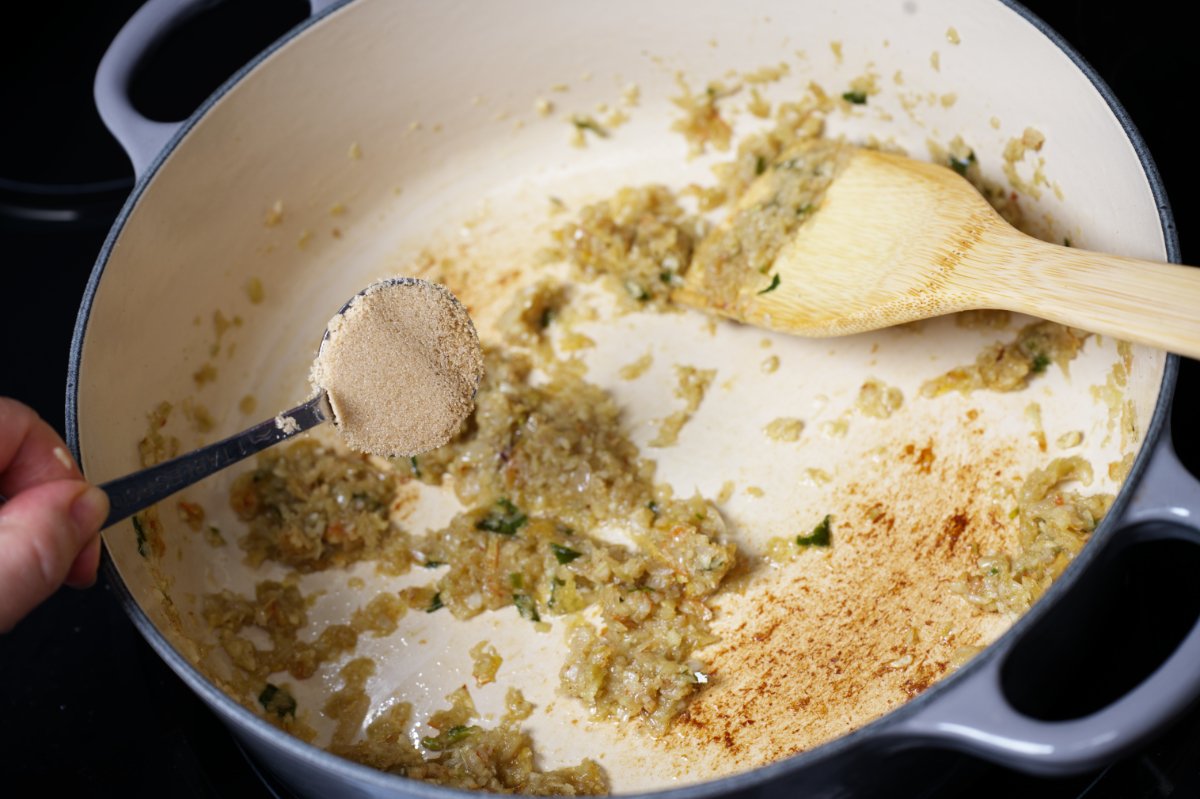
Once the paste starts to take on a golden color I add the sugar:

adding sugar to the pan

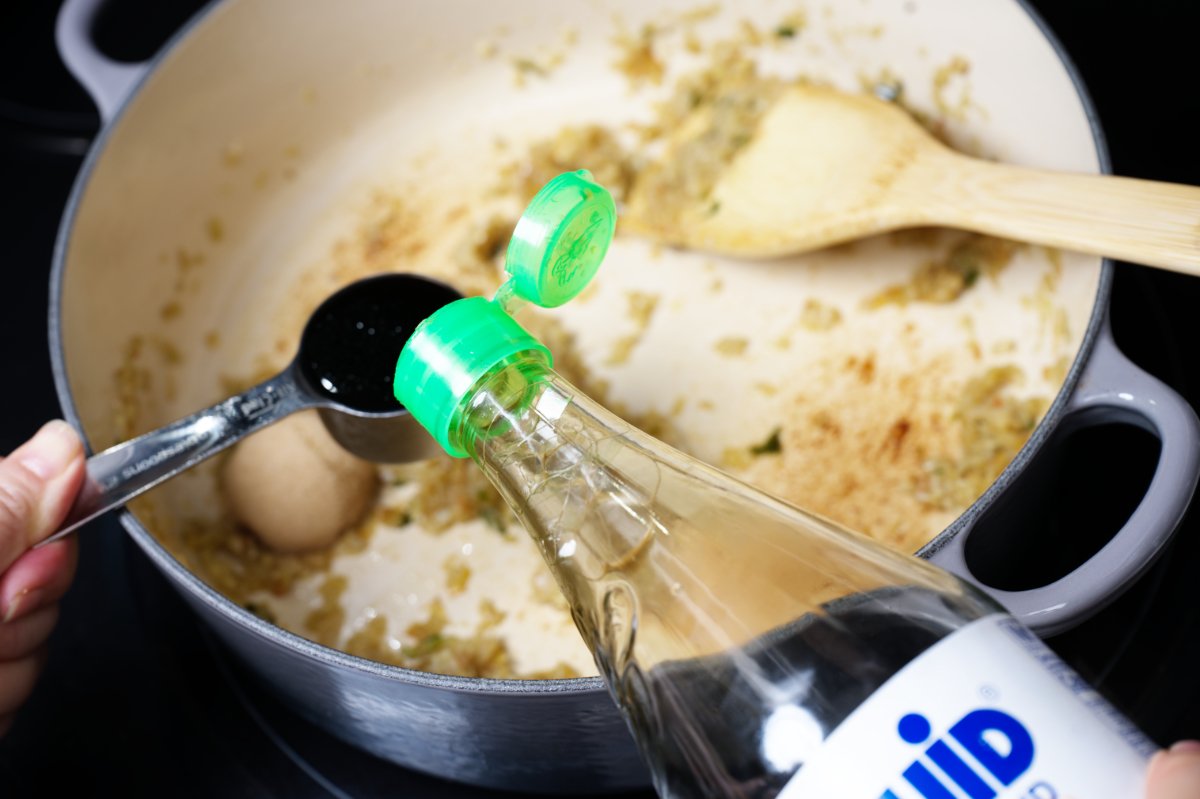
And the fish sauce:

adding fish sauce

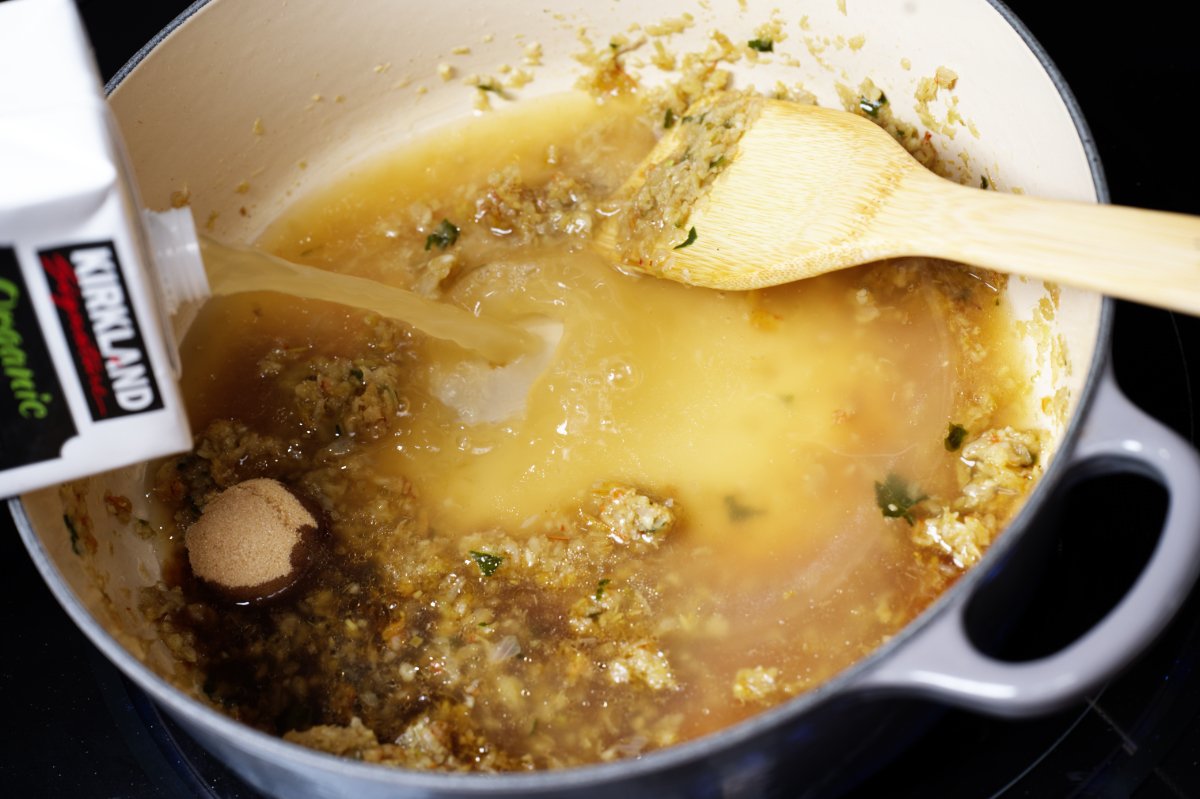
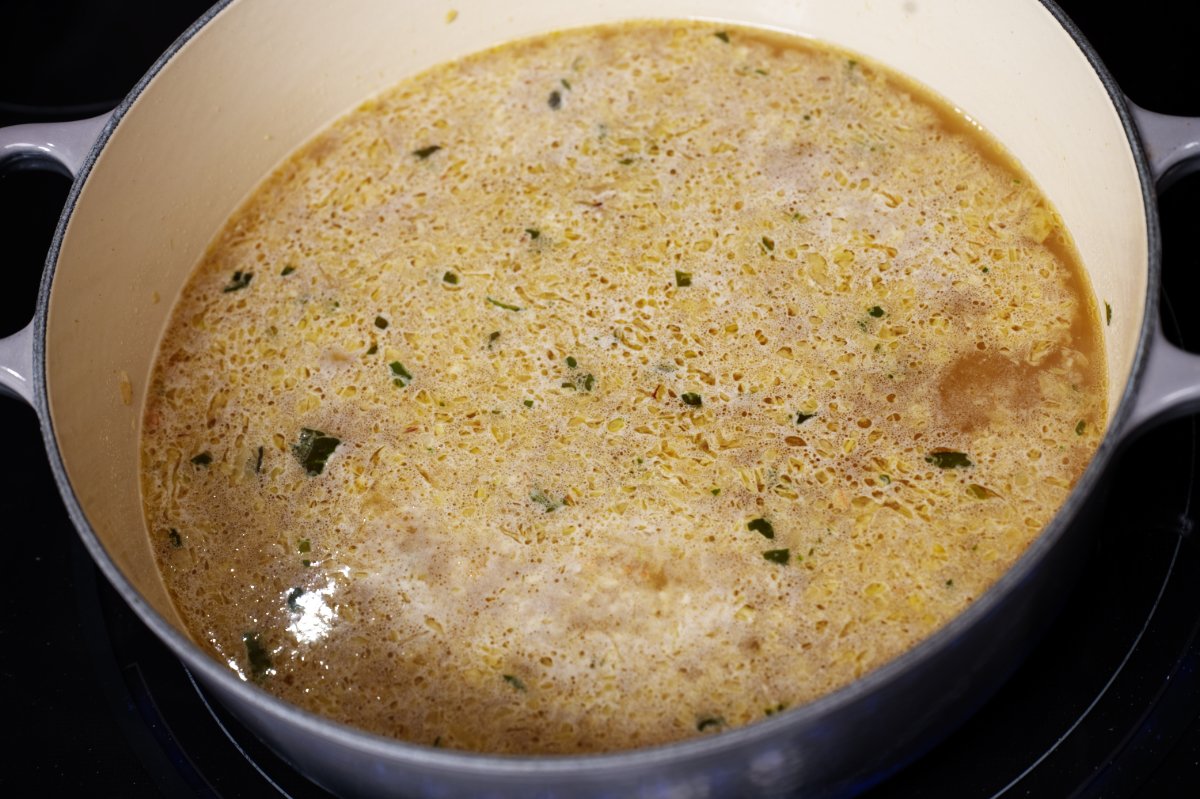
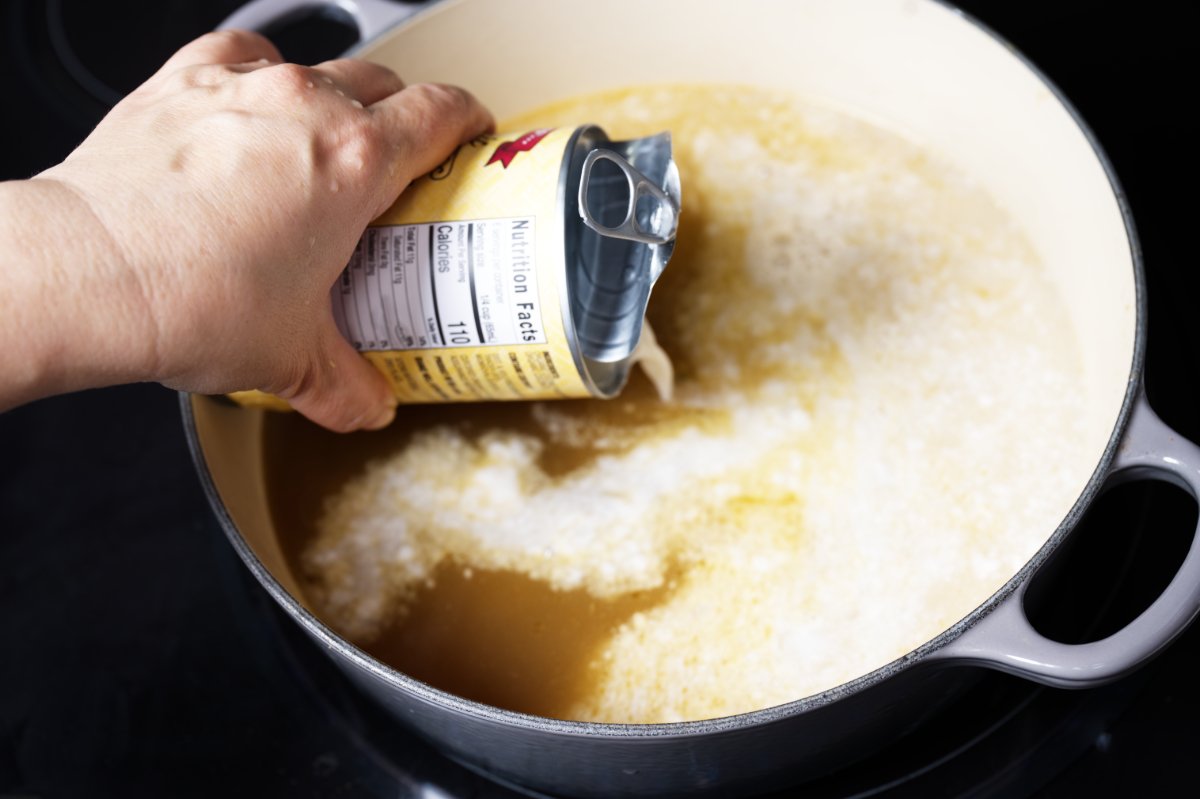
And the chicken stock:

adding chicken stock

pic of the stock filling soup pot

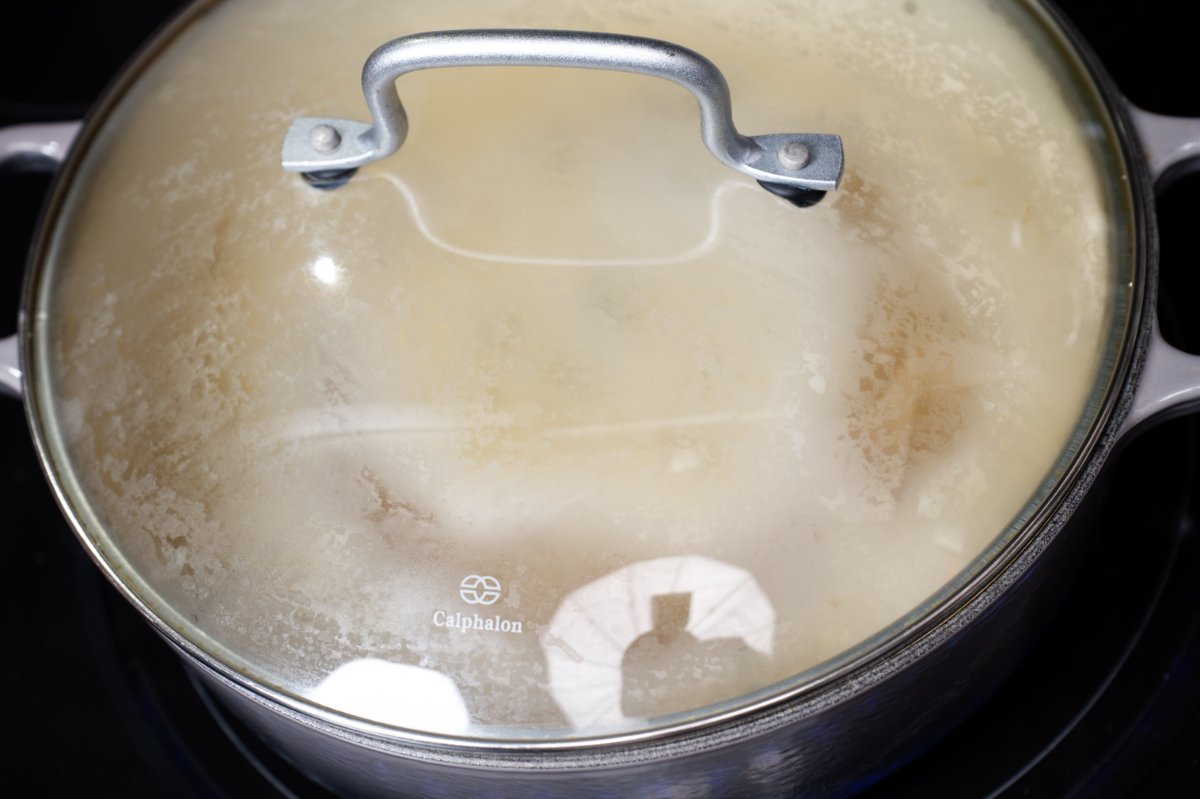
Then I bring the broth to a boil, lower the heat, cover and let simmer for 15 minutes.

photo of lemongrass shrimp broth simmering

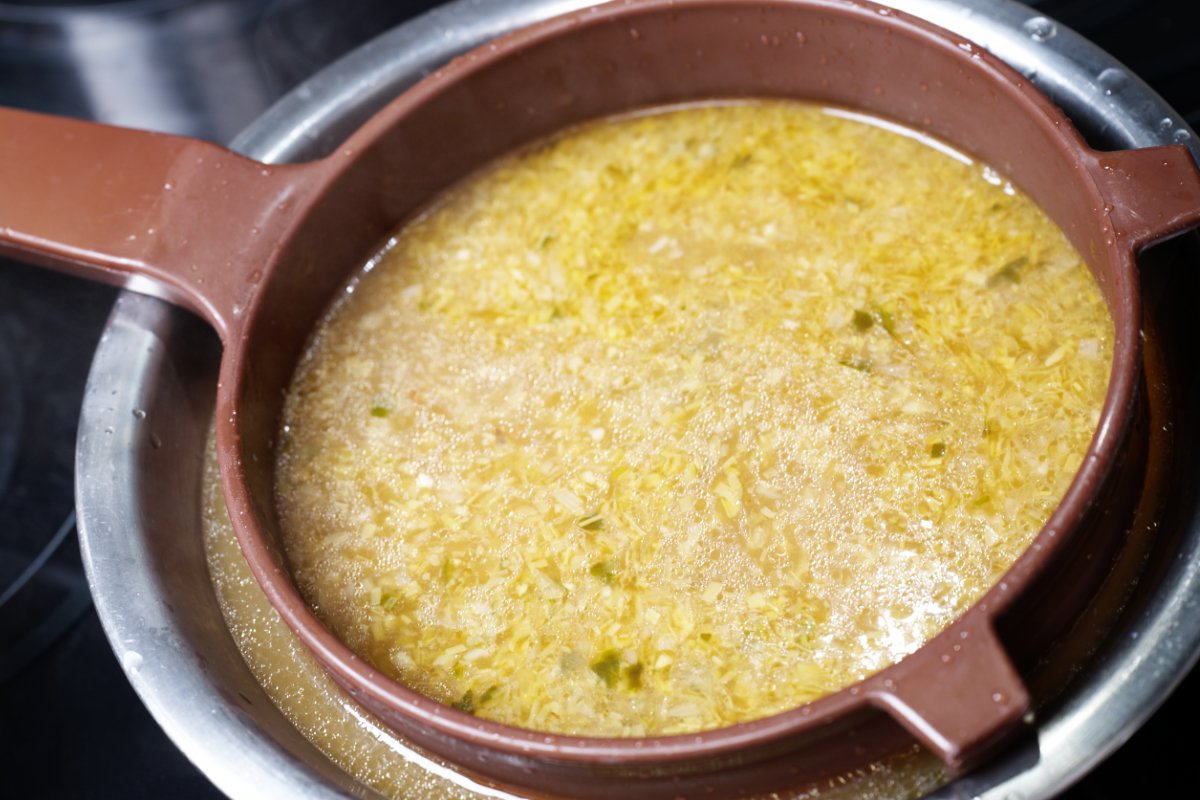
Now that the aromatic paste has done its job of making an intensely delicious broth, it’s time to strain it and discard the solids:

straining solids out of lemongrass shrimp broth

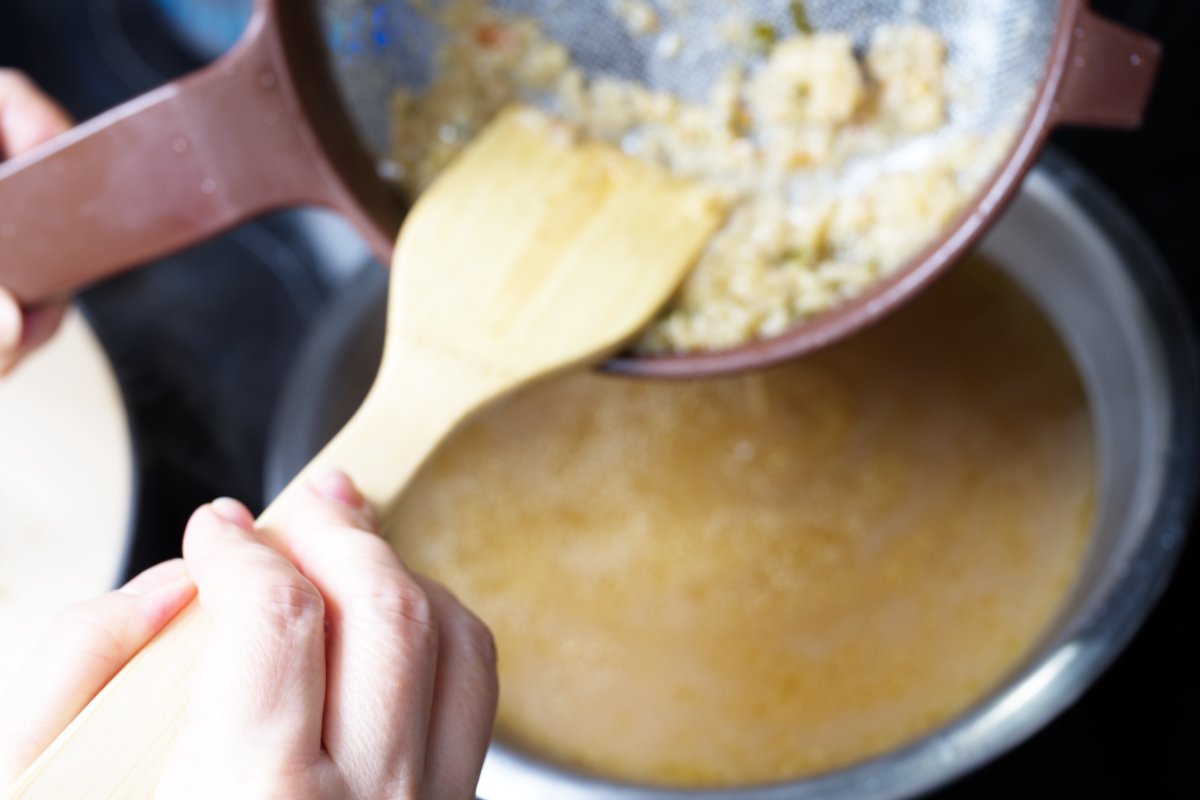
I like to press down on the solids to ensure I’m getting every last drop of their savory goodness:

pressing down on solids into the broth

Next I add the coconut milk and return to a gentle simmer:

adding coconut milk to strained broth

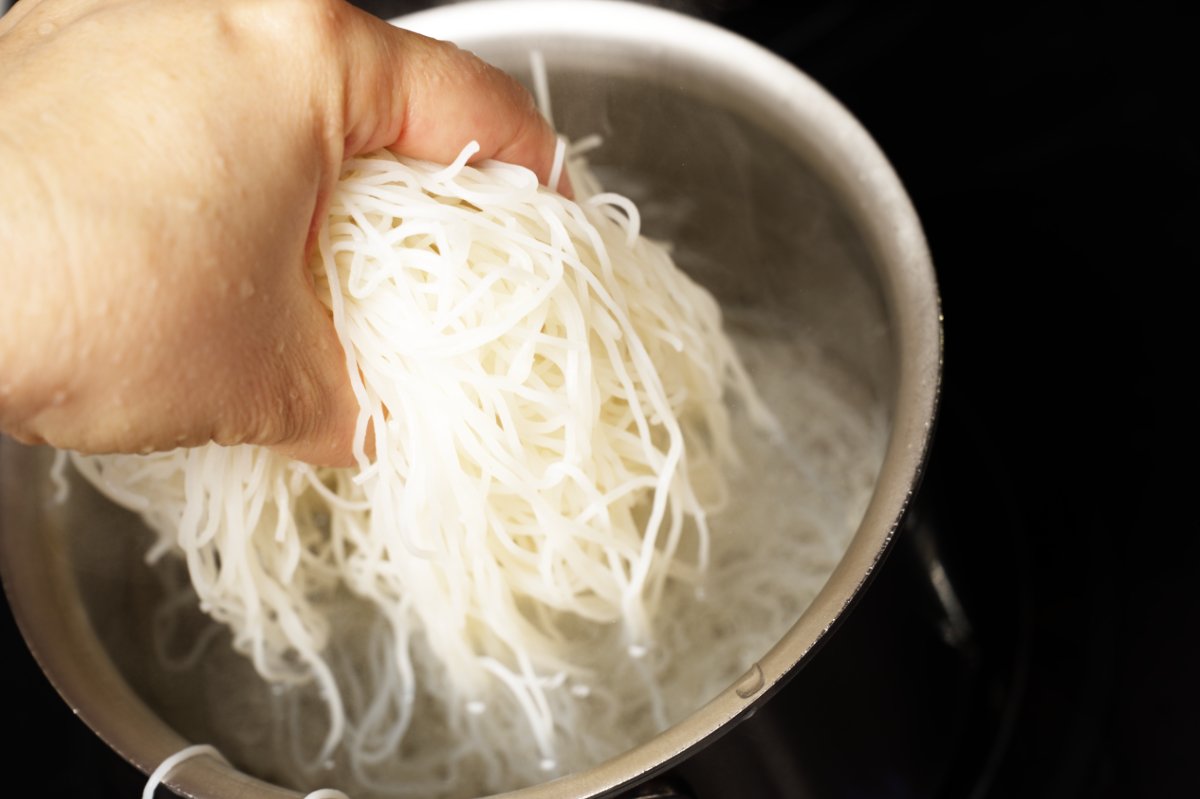
Now that the broth is ready the only things left to do for our lemongrass shrimp noodle soup is make the noodles and cook the shrimp.  I use thin rice vermicelli for this because I like the thin noodles with the shrimp, but your mileage may vary. If you have thicker rice noodles in the pantry, or you just prefer a thicker noodle, use that! Whichever you choose follow the cooking times on the package because there are many different brands and thicknesses and we won’t want mushy noodles.

With any rice noodle you use, soak them first in tap water for 30 mins before boiling. This allows the noodles to rehydrate and cook more evenly.
cooking the noodles

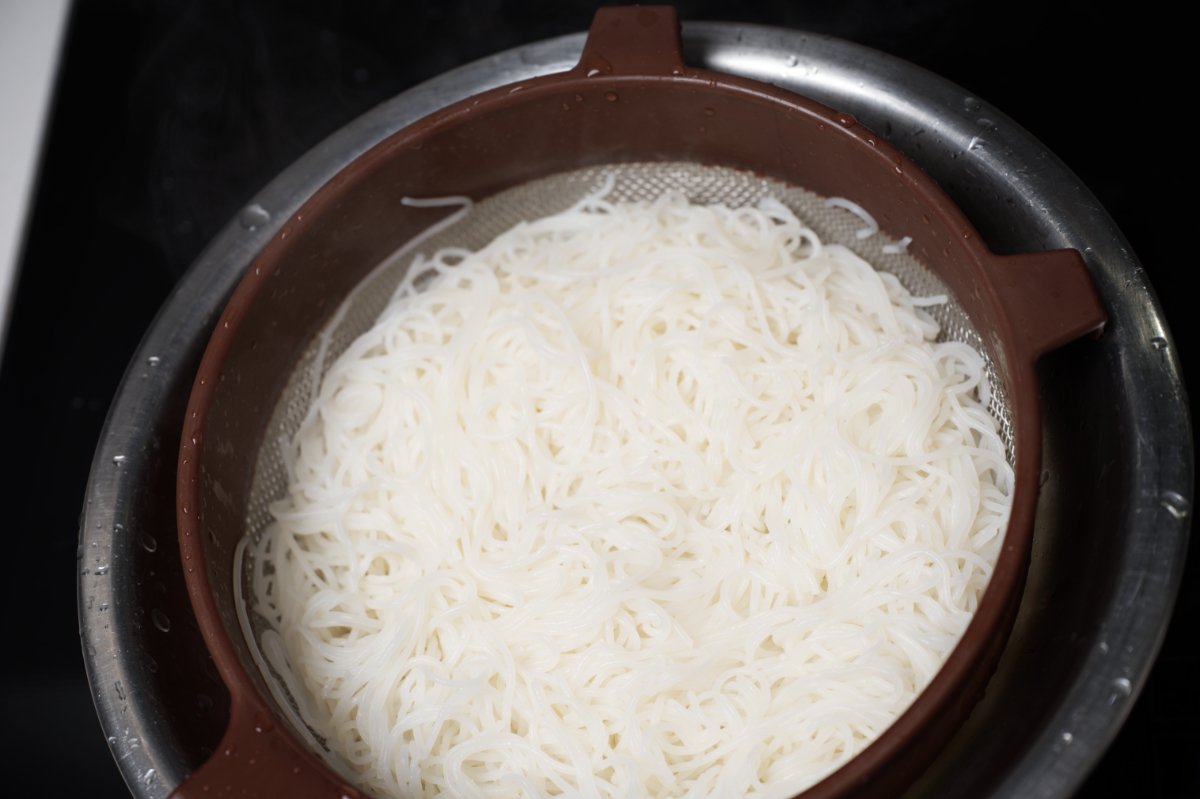
draining noodles for soup

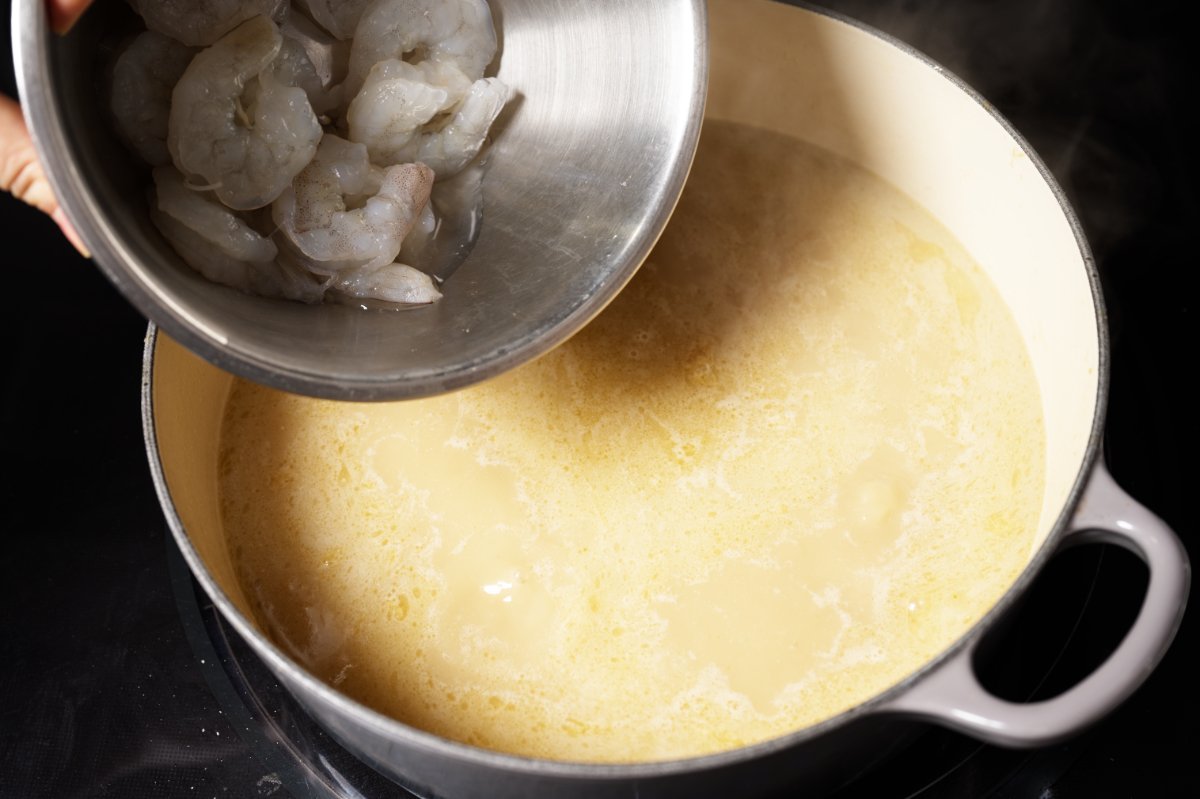
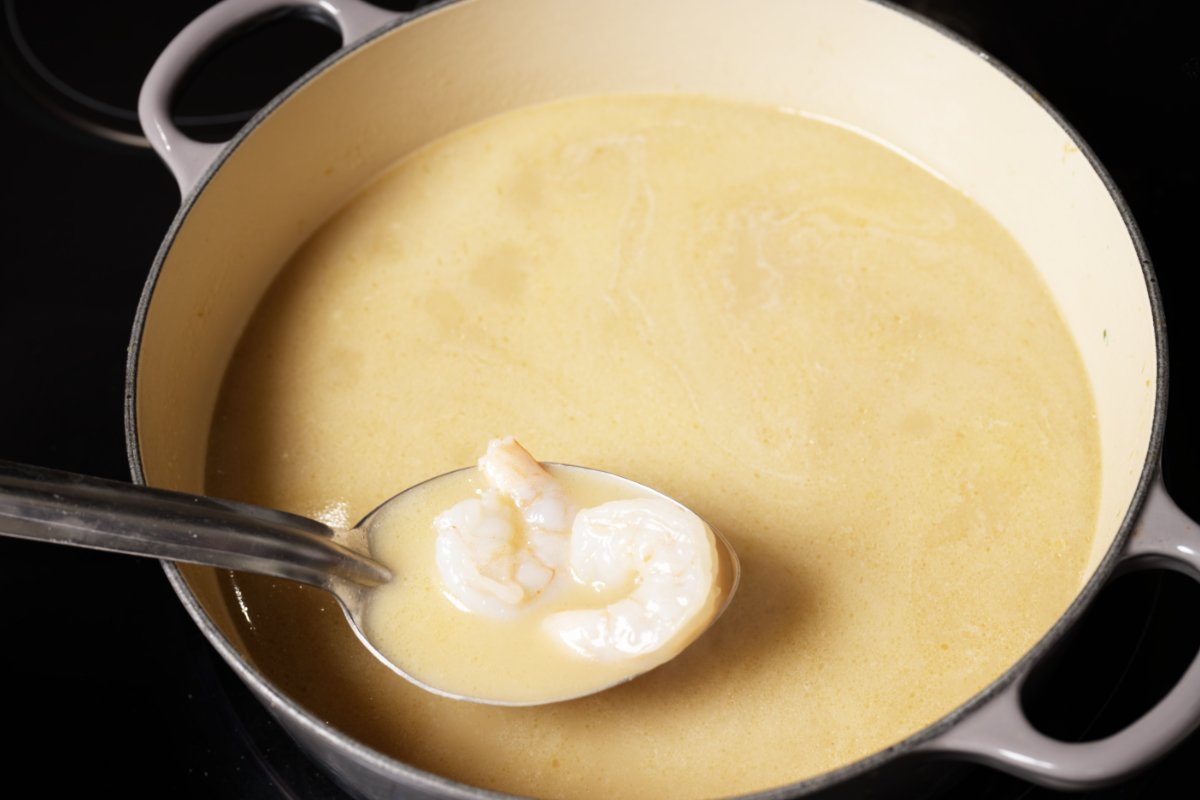
Cook the noodle until they are fully cooked through but still have a little bite (al dente). When the noodles are cooked and drained, add the shrimp to the lemongrass broth. They only need about a minute to cook through.

cooking the shrimp in the lemongrass broth

I like to set out a tray of all the garnishes so folks can choose their own adventure; lots of fresh herbs if they like it really bright, lots of jalapeno slices if they want it hot, or lots of everything if you’re like me! You can prep the garnish tray ahead of time and either leave it in the in the fridge (covered) if you’re eating later in the day or just set it on the table before you start boiling the noodles.
I hope my Lemongrass Shrimp Noodle Soup helps chase away these endless February days for you. Try serving it with some of my Quick Mochi as a reminder that brighter, spring like days are coming. Let me know what you think and remember to tag us in your pics @funkyasiankitchen, we love hearing from you!
Print
clock clock iconcutlery cutlery iconflag flag iconfolder folder iconinstagram instagram iconpinterest pinterest iconfacebook facebook iconprint print iconsquares squares iconheart heart iconheart solid heart solid icon
recipe card photo lemongrass shrimp noodles soup

Lemongrass Shrimp Noodle Soup

  • Author: Funky Asian Kitchen
  • Prep Time: 15 minutes
  • Cook Time: 20 minutes
  • Total Time: 35 minutes
  • Yield: serves 2
  • Category: soup
  • Cuisine: pan-Asian

Ingredients

Scale

For the soup:

  • 2 large shallots or ¼ onion, roughly chopped
  • 1 inch piece fresh ginger (about 1 oz.), peeled and sliced into disks
  • 5 large cloves garlic, crushed
  • 1 stalk lemongrass, trimmed and roughly sliced or 2 Tablespoons chopped lemongrass
  • 2 kaffir lime leaves
  • ¼ teaspoon ground coriander
  • ¼ teaspoon ground cumin
  • 3 Tablespoons fish sauce
  • 2 Tablespoons light brown sugar
  • 3 Tablespoons neutral oil
  • 3 cups chicken broth 
  • 1 can (13.5 oz.) coconut milk 
  • Salt to taste 

For Noodles:

  • 6 oz. dry rice noodles soaked in water for 30 mins and then drained (I used the thin rice vermicelli)
  • 8 ounces large, deveined shrimp (21/25 size), any shells removed and reserved

Garnishes:

  • 1 cup mung bean sprouts, rinsed and dried
  • 1 fresh jalapeno, stemmed and sliced into paper thin rounds
  • 1 handful fresh cilantro leaves
  • 1 handful fresh mint leaves
  • 4 lime wedges

Instructions

  1. Chop the onion, ginger, garlic, shrimp shells, and lemongrass finely by hand or add to a blender or food processor. Purée to make a paste, scraping down the sides as needed.
  2. Heat a heavy soup pot or Dutch oven over medium heat for a couple minutes until hot. Add the oil and then the paste mixture along with the coriander and cumin and sauté, stirring often, until it softens, becomes very aromatic, and deepens in color, about 5 minutes. 
  3. Add the chicken broth, sugar, and fish sauce and bring to a boil. Lower the heat to medium low, and cover with a lid. Simmer gently for 15 minutes. Strain the broth through a fine sieve, pressing on the solids to extract as much liquid as possible. Discard the solids.
  4. Rinse the pot and return the broth to the pot. Add the coconut milk, season with salt to taste, and return to a simmer. (The soup should be somewhat salty. Once you add the noodles and veggie garnishes, it will taste balanced).

Arrange the garnish plate:
1. Place the bean sprouts, sliced chiles, limes, and herbs onto a plate and set aside.

Make the noodles:

  1. Bring a large pot of water to a boil. Add the rice noodles and cook for about 2 mins. until cooked through but still firm (but follow package instructions to be sure. There are many different thicknesses of rice noodles). Drain, rinse, and distribute among two large soup bowls.
  2. Just before serving, add the shrimp to the broth and gently simmer until they’re just cooked through, about 1 minute. Ladle the hot soup and shrimp over the noodles.
  3. You can either garnish the bowls with the herbs, or let people do it themselves at the table. .
  4. Serve lemongrass shrimp noodle soup immediately.

Notes

*You can make this dish in stages if you prefer. Make the soup completely. Then refrigerate the soup until ready to serve. The soup will keep for several days.

Keywords: lemongrass, noodles, noodle soup, shrimp, fast,